Not medical advice — written by Ngoc Vietsmall, who is not a healthcare professional.
This article summarises publicly available medical information for general readers. It cannot account for your history, medication or symptoms, and it is not a diagnosis or a treatment plan. Any dose mentioned comes from published labelling or guidelines — only your own prescriber can decide what is right for you.
Always speak to a doctor or pharmacist before starting, stopping or changing any treatment. If symptoms are severe or getting worse, seek urgent care. Full disclaimer · How this is written
Ever wondered what Epidiolex actually does and whether it’s right for you or a loved one? In a nutshell, Epidiolex is an FDA‑approved, plant‑derived CBD oral solution that dramatically reduces seizures in rare epilepsy syndromes. It’s also being explored for anxiety, other neurological conditions, and even everyday stress. Below you’ll find the straight‑talk answers you need—no fluff, just clear, friendly guidance on benefits, dosage, price, side effects, and real‑world tips.
Approved Seizure Uses
Which seizure disorders does Epidiolex treat?
Epidiolex is officially cleared for three hard‑to‑control epilepsy syndromes: Lennox‑Gastaut syndrome (LGS), Dravet syndrome (DS), and tuberous sclerosis complex (TSC) in patients aged ≥ 1 year. These conditions are notorious for frequent, life‑disrupting seizures, and clinical trials have shown Epidiolex can cut seizure frequency by 40‑50 % for many patients.
How does it work? (Mechanism of action)
The drug’s magic lies in its high‑purity cannabidiol (CBD). CBD interacts with voltage‑gated ion channels, modulates the GPR55 receptor, and reduces neuro‑inflammation, all of which help calm the hyper‑excitable neurons that cause seizures. For a deeper dive, see the PubMed review on Epidiolex’s mechanism.
Standard dosing protocols
Doctors usually start patients at 2.5 mg per kilogram of body weight per day, split into two doses. After a week, the dose is increased every week by 2.5 mg/kg until a target of 10 mg/kg/day is reached. Some patients may need up to 20 mg/kg/day, but that’s the ceiling. Below is a quick dosing table:
| Weight (kg) | Starting Dose (mg/day) | Target Dose (mg/day) |
|---|---|---|
| 10 | 25 mg | 100 mg |
| 30 | 75 mg | 300 mg |
| 50 | 125 mg | 500 mg |
Adjusting for liver‑enzyme interactions
Because CBD is metabolized by the liver enzyme CYP3A4, certain anticonvulsants (like carbamazepine, phenytoin, and valproate) can raise or lower Epidiolex levels. Your neurologist will likely check liver function tests (ALT/AST) before and during treatment, and may tweak the dose if you’re also taking strong enzyme inducers or inhibitors.
Proven efficacy—what the trials show
In the pivotal Phase III trials, roughly 44 % of participants experienced a ≥50 % reduction in seizure frequency, and 12 % became seizure‑free for a sustained period. These numbers were corroborated by the FDA label and multiple peer‑reviewed studies.
Off‑Label Potential
Epidiolex for anxiety and mood
Beyond seizures, a handful of small pilot studies suggest CBD can ease anxiety and improve sleep quality. While the evidence isn’t as robust as for epilepsy, many patients report feeling calmer after a few weeks on a low dose (often 5‑10 mg/kg/day). Remember, using Epidiolex for anxiety is off‑label, so you’ll need a doctor who’s comfortable navigating that gray area.
Other neurological conditions being explored
Researchers are eyeing Epidiolex for autism‑related seizures, traumatic brain injury, and ultra‑rare genetic epilepsy forms. Early‑phase trials are ongoing, and the results could broaden the drug’s footprint in the next few years.
Why off‑label matters—balancing hope & safety
Off‑label use can feel like a lifeline when standard treatments fall short, but it also carries uncertainty. It’s crucial to discuss the potential benefits, unknowns, and insurance ramifications with a knowledgeable clinician. Full transparency helps you weigh hope against risk—exactly the kind of balanced approach we champion.
Cost and Access
How much does Epidiolex cost?
In the United States, the average retail price hovers around $12,000 per year, though the exact figure depends on dosage and pharmacy. This can be a steep hill to climb, especially without insurance.
Insurance, copays, and assistance programs
Most major insurers cover Epidiolex, but the amount varies. Many patients qualify for the manufacturer’s copay assistance card, which can slash out‑of‑pocket costs dramatically. Your neurologist’s office can usually help you fill out the paperwork.
Epidiolex vs. over‑the‑counter CBD oil (price & purity)
| Feature | Epidiolex | OTC CBD Oil |
|---|---|---|
| Price (per mL) | ≈ $10‑$12 | ≈ $0.10‑$0.30 |
| CBD Purity | > 99 % (pharmaceutical‑grade) | 30‑80 % (varies) |
| THC Content | 0 % | 0‑0.3 % (legal limit) |
| FDA Approval | Yes (seizure disorders) | No |
| Insurance Coverage | Often covered | Rarely covered |
Side Effects & Interactions
Common side effects (≥ 10 % of users)
The most frequently reported issues are fatigue, diarrhea, decreased appetite, and elevated liver enzymes. Most of these are mild and resolve once the body adjusts to the medication.
Managing liver‑enzyme elevations
If your ALT or AST climbs above three times the upper limit of normal, your doctor may pause the drug, reduce the dose, or order additional labs. Routine monitoring (every 2‑4 weeks at the start) is standard practice.
Rare but serious adverse events
In a small subset, patients experience severe rash, hypersensitivity reactions, or a paradoxical increase in seizure frequency. Immediate medical attention is required if you notice any swelling, difficulty breathing, or a sudden spike in seizures.
Drug‑drug interactions to watch
Epidiolex is metabolized primarily by CYP3A4 and CYP2C19. Strong inhibitors (like clarithromycin or fluconazole) can raise CBD levels, while inducers (such as rifampin) can lower them. Always share a full medication list with your prescriber—knowing these interactions helps avoid unexpected side effects.
How Epidiolex differs from regular CBD oil
Standard CBD products may contain trace THC, variable CBD concentrations, and no FDA oversight. Epidiolex, on the other hand, offers pharmaceutical‑grade purity, rigorous manufacturing standards, and a proven safety record for specific seizure disorders.
Practical Patient Guide
Storing and administering the oral solution
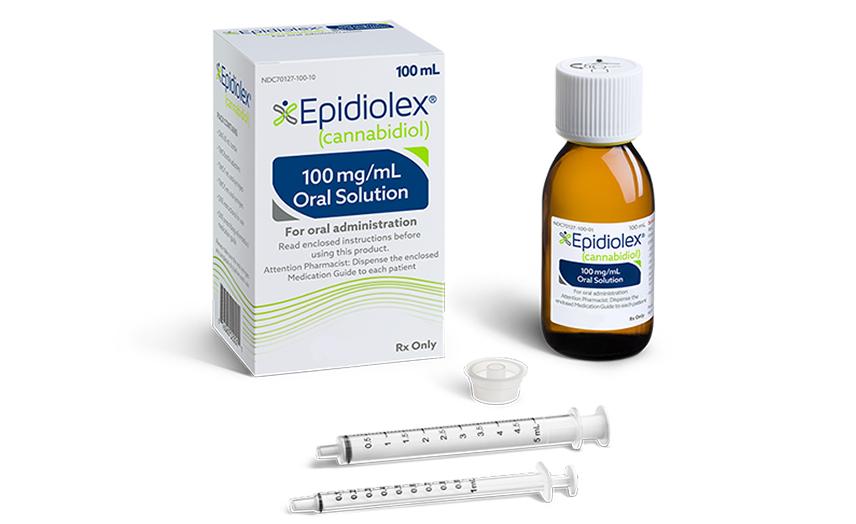
Epidiolex comes in a 100 mL bottle that can be stored at room temperature (up to 30 °C) or refrigerated for longer shelf life. Use the supplied oral syringe to measure the exact dose—no guesswork. Most clinicians advise taking the dose with food to improve absorption and reduce gastrointestinal upset.
Quick‑start checklist
- Confirm prescription and dosage with your neurologist.
- Ask for a liver‑function test baseline.
- Set up a medication calendar or phone reminder.
- Keep the oral syringe handy for accurate dosing.
- Schedule follow‑up labs in 2‑4 weeks.
FAQs you might be wondering
Can I take Epidiolex with my existing anti‑epileptic drugs? Absolutely—many patients stay on their current AED regimen. Your doctor will simply monitor blood levels to ensure no harmful interactions.
What red‑flag symptoms should prompt an immediate call to my doctor? Watch for persistent vomiting, sudden weight loss, rash, swelling, or a sharp rise in seizure frequency.
Expert & Community Views
Insights from leading epilepsy centers
Top institutions like Mayo Clinic and Johns Hopkins have published guidelines endorsing Epidiolex as a first‑line add‑on therapy for LGS and DS. Their consensus statements highlight the drug’s robust efficacy and manageable safety profile.
Patient‑community resources
Connecting with others can make the journey less lonely. The Epilepsy Foundation hosts online forums where families share dosing tips, insurance hacks, and emotional support. You’ll find stories ranging from “My son’s seizures dropped from 30 to 5 a day” to “We finally got the copay card approved after three tries.”
How clinicians balance benefits vs. risks
In a recent interview, a pediatric neurologist explained, “We look at the seizure burden, quality‑of‑life improvements, and the child’s liver health. If the net gain is clear, we move forward; if not, we explore alternatives.” This balanced, data‑driven approach is exactly what builds trust between doctors and families.
Conclusion
Epidiolex isn’t a miracle cure, but it is a powerful, FDA‑approved tool that can transform the lives of people living with severe seizure disorders. Its proven benefits, clear dosing guidelines, and ongoing research into anxiety and other neurological conditions make it a versatile option—provided you stay informed about costs, side effects, and drug interactions. Talk openly with your neurologist, explore assistance programs, and lean on reputable patient communities. If you have questions or personal experiences to share, feel free to comment below—you’re not alone on this road.