Not medical advice — written by Ngoc Vietsmall, who is not a healthcare professional.
This article summarises publicly available medical information for general readers. It cannot account for your history, medication or symptoms, and it is not a diagnosis or a treatment plan. Any dose mentioned comes from published labelling or guidelines — only your own prescriber can decide what is right for you.
Always speak to a doctor or pharmacist before starting, stopping or changing any treatment. If symptoms are severe or getting worse, seek urgent care. Full disclaimer · How this is written
Did you know that a sudden puffiness on just one foot can be more than a tight shoe problem? Its often your body shouting for attention.
Below youll get the lowdown on why it happens, which signs mean call the doctor now, and easy things you can try at home to calm the swelling and keep your foot feeling good.
What It Means
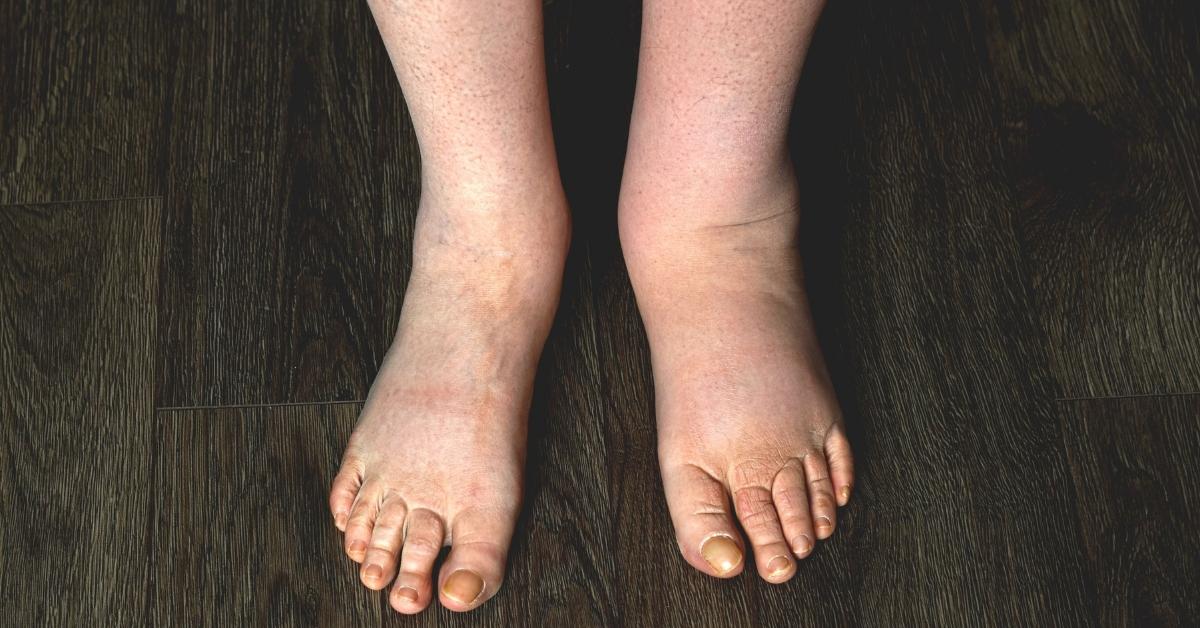
When we say swelling in one foot only, were talking about unilateral edema fluid gathering around the tissues of a single foot. Its different from the kind of swelling you might see in both legs or all over your body, which usually points to systemic issues like heart or kidney problems.
Unilateral swelling can appear on the top of the foot, around the ankle, or even the sole. It may be painless or quite painful, and the cause can range from a minor sprain to a serious blood clot.
Common Causes Explained
| Cause | Pain? | Key Features | When to Seek Help |
|---|---|---|---|
| Injury (sprain, strain, stress fracture) | Yes | Localized tenderness, bruising, swelling after activity | Immediate see a provider |
| Infection (cellulitis, osteomyelitis) | Yes, often warm | Redness, fever, rapid swelling | Urgent medical evaluation |
| Venous/Lymphatic issues (DVT, lymphedema) | May be painless | Firm swelling, often on one side, calf pain | Urgent possible clot |
| Arthritis (osteo, rheumatoid) | Varies | Joint stiffness, swelling that worsens with movement | Followup with a rheumatologist |
| Fluid retention (heart/kidney) | Usually painless | Gradual swelling, may start unilateral | Medical assessment needed |
| Medication sideeffects (e.g., calcium channel blockers) | Usually painless | Gradual onset, may become symmetric later | Review meds with your doctor |
Swelling in One Foot Only No Pain
If the puffiness isnt hurting, it could be fluid retention, early venous insufficiency, or a mild allergic reaction. Keep an eye on it for 48hours; if it doesnt improve, reach out to a health professional.
Swelling in One Foot Only With Pain
Painful swelling often points to injury, infection, or a clot. A sharp ache after a twist, warmth and redness, or a throbbing sensation that worsens when you walk are red flags that you shouldnt ignore.
Red Flag Signs
Not every swollen foot needs surgery, but some signs scream danger. Ask yourself:
- Did the swelling happen suddenly and feel hard?
- Is there fever, chills, or a burning sensation?
- Does the skin look bright red or feel hot to the touch?
- Are you shortofbreath or experiencing chest pain?
- Is the swelling getting bigger despite rest and elevation?
If you answered yes to any of these, you should seek medical care right away. According to a study published by Mayo Clinic, sudden unilateral foot swelling can be a sign of deepvein thrombosis (DVT), which can be lifethreatening if the clot travels to the lungs.
SelfCheck Checklist
Before you pick up the phone, run through this quick selfassessment:
- Did you injure your foot recently? (twist, fall, marathon?)
- Is there visible redness, warmth, or bruising?
- Do you have a fever or feels fluy?
- Have you been sitting or traveling for long periods?
- Are you taking any new medication?
- Is the swelling on the top of the foot (right foot swollen on top) or around the ankle (swollen left foot and ankle)?
Try the classic RICE method: Rest, Ice (1520minutes, several times a day), Compression (light bandage), and Elevation (above heart level). Overthecounter NSAIDs like ibuprofen can help with pain and inflammation, but always follow the label instructions.
Medical Diagnosis Steps
When you see a clinician, theyll start with a thorough physical exam checking pulse, skin temperature, and the range of motion. From there, they may order:
- Xray: looks for fractures or bone abnormalities.
- MRI: great for softtissue injuries and early stress fractures.
- Doppler ultrasound: the goto test for DVT, especially if you have right foot swollen on top with pain.
- Blood tests: CBC, CRP, Ddimer (for clot suspicion), and kidney or heart panels if systemic causes are considered.
According to the NHS, a Doppler ultrasound can diagnose a clot in minutes, guiding the next steps such as anticoagulant therapy.
Treatment Pathways Overview
Conservative Care
Most mild cases respond well to RICE, gentle stretching, and supportive shoes. Elevation helps the fluid drain back toward the heart, reducing swelling.
Medication
NSAIDs for pain, antibiotics if an infection is caught, or anticoagulants for a confirmed clot. Always discuss dosage and sideeffects with your provider.
Physical Therapy
A physio can teach you anklestrengthening moves, gait training, and proper footwear fitting. Ive heard from a friend who recovered from a stubborn right foot swollen on top after a few weeks of targeted PT the difference was night and day.
Surgery
Rare, but necessary for severe fractures, infected bone (osteomyelitis), or tumors. Your surgeon will walk you through recovery timelines, which usually involve a short period of nonweightbearing followed by rehab.
Prevention Strategies Guide
Keeping your feet happy is a mix of good habits and smart choices:
- Footwear: Choose shoes with proper arch support and a roomy toe box. Orthotics can correct gait issues that lead to uneven pressure.
- Movement: Stretch your calves and ankles daily. Simple ankle circles or towel curls can improve circulation.
- Stay Hydrated: Fluid balance helps prevent unnecessary fluid buildup.
- Manage Underlying Conditions: Diabetes, heart failure, and certain meds can predispose you to swelling. Regular checkups keep those factors in check.
- Monthly SelfExam: Look for changes in color, size, or discomfort. Early detection means easier treatment.
For those with arthritisrelated foot swelling, the Foot Docs Health blog suggests lowimpact activities like swimming or cycling to keep joints moving without excessive stress.
Conclusion
Swelling in one foot only isnt something you should just brush off. The three things to remember are: recognize redflag signs, try the simple home care steps, and dont hesitate to see a professional if warning symptoms appear. By staying aware, using the selfcheck checklist, and following up with proper treatment, youll give your foot the best chance to heal fast.
Take a moment now to note any changes in your foot, and if youre unsure, grab that tracker and jot it down youll thank yourself later. Your feet carry you through life; lets make sure they stay healthy and strong.