



Not medical advice — written by Ngoc Vietsmall, who is not a healthcare professional.
This article summarises publicly available medical information for general readers. It cannot account for your history, medication or symptoms, and it is not a diagnosis or a treatment plan. Any dose mentioned comes from published labelling or guidelines — only your own prescriber can decide what is right for you.
Always speak to a doctor or pharmacist before starting, stopping or changing any treatment. If symptoms are severe or getting worse, seek urgent care. Full disclaimer · How this is written
Most people who discover a thyroid nodule are surprised to learn that their hormone levelsTSH, T3, and T4are perfectly normal. The good news? In the overwhelming majority of cases the nodule is benign and doesnt disrupt thyroid function.
The notsogood news is that normal labs dont automatically mean no worries. Size, growth patterns, and certain symptoms still matter, and they guide whether you need more testing or a simple watchandwait plan. Lets unpack it together, step by step.
Why Nodules Appear
What Is a Thyroid Nodule?
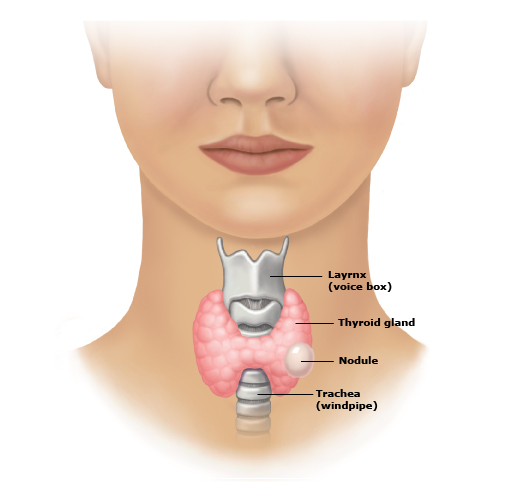
A thyroid nodule is just a lumpsolid, cystic, or a mixturegrowing in the butterflyshaped gland at the base of your neck. Theyre super common; studies suggest up to 65% of adults have at least one tiny nodule you can only see on an ultrasound.
Definition & Common Shapes
Think of a nodule like a tiny pearl or a waterfilled balloon. Some are smooth and round; others look spongy or irregular. The shape often hints at whether its likely benign or needs a closer look.
Typical Causes
Most nodules arent cancerous. They can arise from:
- Iodine deficiency (still a problem in some regions)
- Simple cysts that filled with fluid
- Benign cell overgrowths called adenomas
- Inflammation from thyroiditis
How Blood Tests Relate to Nodules
Thyroid blood work measures how well the gland is **functioning**, not how many lumps it contains. A thyroid nodule with normal TSH, T3, T4 simply means the nodule isnt producing excess hormone.
Why Labs Are Often Normal
About 90% of nodules are nonfunctioning; they sit quietly without changing hormone output. Thats why youll often see the phrase thyroid nodule with normal TSH T3 T4 in medical reports.
When Labs Are Abnormal
A rare hot nodule can overproduce thyroid hormone, leading to low TSH and symptoms of hyperthyroidism. Conversely, a cold nodule might be part of an underactive gland, showing high TSH. Those scenarios usually trigger additional testing.
Expert Insight
According to an endocrinologist at the American Thyroid Association, The presence of a nodule alone rarely changes hormone levels; its the nodules behavior over time that matters most.
When to Worry
RedFlag Symptoms
If you notice any of these, its time to pick up the phone:
- Persistent hoarseness or voice changes
- Difficulty swallowing or a feeling of something stuck in the throat
- Sudden, noticeable growth of the lump
- Neck pain that doesnt go away
These can be signs of a cancerous thyroid nodule, though theyre still relatively uncommon.
Mucus or PopCorn Feeling in the Throat
Yes, a large nodule can press on the esophagus or larynx, creating that mucus sensation. Its not the nodule producing mucus; its the pressure that makes you feel like somethings stuck.
Size Thresholds That Matter
Size is a big factor, but the exact numbers can feel confusing.
Is a 2.5cm Nodule Large?
In most guidelines, a nodule larger than 2cm (about 0.8inches) is considered sizable enough to warrant a fineneedle aspiration (FNA) biopsy, especially if ultrasound features look suspicious.
Is a 7mm Nodule Large?
A nodule under 1cmlike a 7mm oneis usually monitored with periodic ultrasounds unless you have risk factors (family history, radiation exposure, etc.).
Quick Size Reference Table
| Size | Typical Action |
|---|---|
| 5mm | Observe, repeat ultrasound in 1224months |
| 610mm | Consider FNA if suspicious ultrasound |
| 1120mm | FNA recommended for most cases |
| >20mm | FNA strongly advised; surgical consult may follow |
Risk Factors That Increase Worry
Even a small nodule can be concerning if you have any of the following:
- Family history of thyroid cancer
- Prior radiation to the head/neck (especially in childhood)
- Age over 45 years
- Exposure to certain chemicals (e.g., industrial pollutants)
According to a study from Johns Hopkins, over 95% of thyroid nodules are benign. That statistic alone can be a huge relief!
How Doctors Diagnose
Imaging Tests
Ultrasound is the goldstandard. It shows whether a nodule is solid, cystic, or mixed, and it assigns a risk level based on patterns like microcalcifications, irregular margins, or tallerthanwide shape.
Ultrasound Risk Stratification
The American Thyroid Associations (ATA) scoring system ranges from benign to high suspicion. The higher the suspicion, the more likely a biopsy is recommended.
FineNeedle Aspiration (FNA)
If the ultrasound flags something, doctors use a thin needle to collect cells for cytology. The result is reported using the Bethesda system, ranging from benign (Category II) to malignant (Category VI).
When FNA Is Suggested Even With Normal Labs
Typical triggers include:
- Nodule >1cm with suspicious ultrasound features
- Rapid growth noted on serial exams
- Patient anxiety or strong family history
Additional Lab Work (Rare)
In a small number of cases, doctors might check calcitonin (for medullary thyroid cancer) or thyroglobulin (for monitoring known cancer). These tests are usually not needed for a simple thyroid nodule with normal blood tests.
Interpreting Results
If the biopsy comes back benign, most physicians recommend routine ultrasound monitoring. A Bethesda III (atypia of undetermined significance) often leads to a repeat FNA in 36 months.
Managing Without Surgery
Lifestyle & Dietary Approaches
While theres no magic pill that shrinks a solid nodule, a balanced diet can support overall thyroid health.
Iodine Intake
Both deficiency and excess iodine can cause nodules. Aim for the recommended daily allowance (150g for most adults) through iodized salt, dairy, and seafood. Avoid megadoses of supplements unless advised by a doctor.
Weight and Smoking
Maintaining a healthy weight and quitting smoking improve circulation to the neck area, which may indirectly help the gland stay balanced.
Medical Treatments
Some doctors prescribe levothyroxine to suppress mild nodules, hoping that keeping TSH low will slow growth. The evidence is mixed, so discuss the pros and cons with your endocrinologist.
Minimally Invasive Options
If a nodule is bothersome but you want to avoid a full thyroidectomy, consider:
- Radiofrequency ablation (RFA) a tiny probe heats and destroys the nodule tissue
- Ethanol injection especially useful for cystic nodules
These procedures are outpatient, have low complication rates, and often shrink the nodule dramatically.
Natural Remedies & Myths
Herbal concoctions like kelp or thyroidsupport teas are popular online, but rigorous studies are lacking. Its safer to stick with evidencebased approaches and discuss any supplements with your doctor.
FollowUp Schedule
Monitoring frequency varies:
- Small (<1cm) stable nodules: ultrasound every 1224months
- 12cm nodules with no suspicious features: ultrasound every 612months
- >2cm or growing nodules: ultrasound every 6months, with possible repeat FNA
Expert Resources & Getting Help
Reliable Organizations
For trustworthy information, turn to:
- American Thyroid Association (ATA)
- Johns Hopkins Thyroid Center
- Cleveland Clinic Endocrinology
Questions to Ask Your Endocrinologist
Bring a pen (or a phone note) and consider these:
- What does the ultrasound suggest about malignancy risk?
- Do I need a biopsy right now, or can we observe?
- What are the pros and cons of levothyroxine suppression?
- If surgery becomes an option, what type of thyroidectomy would be needed?
Finding a Qualified Specialist
Look for a boardcertified endocrinologist with specific experience in thyroid nodules. You can verify credentials on the American Board of Internal Medicine website or ask the clinic for the doctors case volume.
Conclusion
Heres the short version you can keep in your back pocket:
- Normal hormone tests are common. They tell you the thyroid is still doing its job, even if a nodule is present.
- Size, growth, and symptoms drive next steps. Most nodules stay benign, but larger or changing ones deserve closer scrutiny.
- You have options beyond surgery. Careful monitoring, lifestyle tweaks, and minimally invasive procedures can keep you comfortable and confident.
If any redflag symptoms appear, or if you just cant shake the worry, reach out to a trusted healthcare provider. And if youve navigated a thyroid nodule yourself, share your storyour community learns most when we speak honestly and support each other.








