Not medical advice — written by Ngoc Vietsmall, who is not a healthcare professional.
This article summarises publicly available medical information for general readers. It cannot account for your history, medication or symptoms, and it is not a diagnosis or a treatment plan. Any dose mentioned comes from published labelling or guidelines — only your own prescriber can decide what is right for you.
Always speak to a doctor or pharmacist before starting, stopping or changing any treatment. If symptoms are severe or getting worse, seek urgent care. Full disclaimer · How this is written
Got ADHD and feel like youre constantly hitting the go button before the think button even lights up? Youre not alone. In the next few minutes well walk through practical, doctorbacked ways to tame those impulsedriven momentswhether youre dealing with a restless kid, a jittery teen, or an adult who just cant stop clicking add to cart. Ready to feel more in control? Lets dive in.
Impulsivity Symptoms
Before we jump into solutions, it helps to know exactly what impulsivity looks like in ADHD. Here are some of the most common ADHD impulsive behavior examples you might recognize:
- Interrupting conversations or finishing other peoples sentences.
- Making snap decisionslike buying something expensive on a whim.
- Acting without thinking about safety (e.g., crossing a street too fast).
- Difficulty waiting your turn, whether in a game, line, or meeting.
- Rapid mood swings and quick shifts in focus.
For children, these can show up as why did you just grab that? moments; for adults, they often appear as sudden spending sprees or risky career moves. The brains prefrontal cortexyour executive control centeris underfiring on dopamine, making the fastforward mode feel natural. A study on neurofeedback shows that training this area can lower impulsive urges over time.
Managing Impulsivity
Why bother? Unchecked impulsivity can lead to immediate problemsmissed deadlines, strained relationships, even accidents. On the flip side, gaining a bit of control unlocks smoother school performance, steadier finances, and healthier selfesteem. Think of it like adding brakes to a race car; you still get the thrill, but you choose when to stop.
Its also worth noting that overcontrolling yourself can backfire, breeding anxiety or perfectionism. The goal is a balanced approachenough control to make good choices, but enough freedom to stay creative and spontaneous.
Lifestyle Foundations
Good habits are the bedrock of impulse control. Below are the four pillars that work for kids and adults alike.
| Pillar | Why It Helps | Quick Action |
|---|---|---|
| Sleep | Rest restores prefrontal function | Aim for 79hours; set a bedtime routine (no screens 30min before bed) |
| Nutrition | Stable blood sugar curbs rush feelings | Include protein at each meal; add omega3 sources like salmon or walnuts |
| Exercise | Boosts dopamine, improves focus | 30minutes moderate activity (walk, bike, dance) most days |
| Environment | Fewer triggers = fewer impulses | Declutter workspaces; use visual cues (pause sticky notes) |
If youre wondering how to reduce impulsivity in ADHD child, start with a consistent bedtime and a simple no snacks after dinner rule. For adults, swapping a latenight snack for a short walk can make a world of difference.
MindBody Techniques
Mindfulness isnt just a buzzword; its a lowcost, highimpact tool for anyone looking to hit the pause button.
- 3Minute Breathing Drill: Inhale for 4 seconds, hold 4, exhale 4, hold 4. Repeat three times whenever you feel the urge to act.
- STOP Framework: Stop, Take a breath, Observe, Proceed. Write it on a note card and keep it in your wallet.
- Grounding 555: Identify 5 things you see, 5 you hear, 5 you feel. Instantly pulls you out of autopilot.
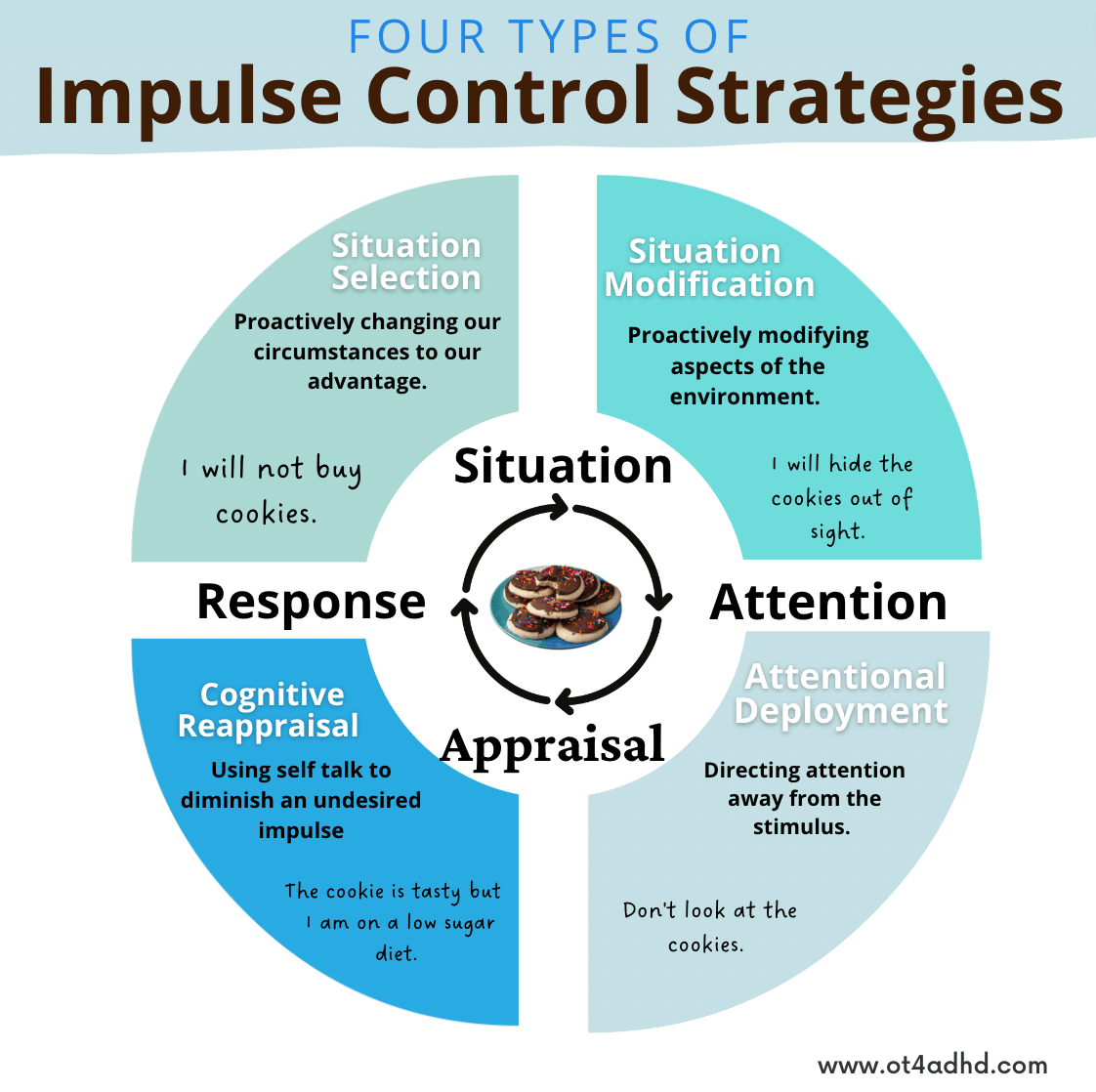
Download a printable MindPause Sheet (search for impulse control techniques pdf for free resources) and keep it beside your computer. Youll be surprised how often a simple visual reminder can stop a spending spree before it starts.
Behavioral Strategies
Structure helps the brain stay on track. Here are a few triedandtested tactics.
ImpulseControl Contract for Kids
Draft a short agreement with your child: Identify 23 impulsive behaviours, set clear rewards for meeting goals (extra playtime, sticker charts), and outline logical consequences. Review it weeklyconsistency builds confidence.
Budget Wait24Hours Rule for Adults
When an online purchase feels urgent, add it to a wishlist and revisit it after a full day. Apps like YNAB or Mint can automate the reminder. Most people discover they no longer want the item.
Pause Points at Work or School
Set a timer for every 45minute focus block. When the alarm rings, take a 5minute stretch, check your todo list, and consciously decide whats next. It reduces impulsive taskswitching.
HabitStacking for ImpulseEating
Pair a healthy snack with a nonfood habitlike reading a page of a book while you chew. Over time, the brain links the snack to the calming activity, not the emotional urge.
Medication & Therapy
Sometimes lifestyle tweaks arent enough, and thats okay. Medication can provide the neurological fuel your brain needs to exercise better impulse control.
- Stimulants (Methylphenidate, Amphetamines): Boost dopamine quickly; often the first line for ADHD impulsivity.
- Nonstimulants (Atomoxetine, Guanfacine): Useful when stimulants cause anxiety or insomnia.
When talking to a prescriber, ask these five questions:
- Which medication targets impulsivity the most?
- What side effects should I monitor?
- How long before I see improvement?
- Will I need behavioral therapy alongside?
- Whats the plan for adjusting dosage?
Therapies such as CognitiveBehavioral Therapy (CBT) and Dialectical Behavior Therapy (DBT) teach practical coping skills. According to the CHADD guidelines, combining medication with CBT often yields the best results for both children and adults looking to how to reduce impulsivity in ADHD adult.
Resources & PDFs
Having a cheatsheet at hand can make the difference between Ill try later and Im doing it now. Below are two solid downloads you can bookmark:
- ImpulseControl Handout (PDF): A concise guide covering the STOP framework, breathing drills, and a quickreference table.
- Adult ImpulseControl Workbook (PDF): Includes daily log sheets, goalsetting templates, and space to track medication effects.
Both are free and can be printed or saved on your phone. Look for them by searching how to control impulsive behavior in adults pdf.
RealWorld Success Stories
Teen Turnaround
Eightgrade Maya struggled with constant interruptions and impulsive buying. After her parents introduced a simple contract and she started a daily 5minute breathing routine, her teacher noted a 40% drop in classroom disruptions. Six months later, her grades improved and she saved her allowance for a bike she really wanted.
Adult Entrepreneur
Mark, a 34yearold startup founder, was losing money to spontaneous online orders. He adopted the wait24hours rule and paired it with a budgeting app. Within three months his discretionary spending fell by 55%, allowing him to invest in his business instead.
Parent Perspective
Sarah, mom of a 7yearold, says the visual pause stickers on her sons lunchbox helped him think before shouting out answers. It feels like hes finally learning the difference between talking and waiting, she shares.
Putting It All Together
Controlling impulsive behavior with ADHD isnt a onesizefitsall formula, but the recipe is simple: build solid daily habits, give your mind a moment to breathe, and lean on professional help when needed. Pick just one strategymaybe the 3minute breathing drill or the wait24hours ruleand try it for a week. Notice how it feels, tweak it, and move on to the next tool.
Feeling ready to take the first step? Download the impulsecontrol handout, set a reminder on your phone, and watch yourself (or your child) gain a little more control each day. Youve got this.