



Not medical advice — written by Ngoc Vietsmall, who is not a healthcare professional.
This article summarises publicly available medical information for general readers. It cannot account for your history, medication or symptoms, and it is not a diagnosis or a treatment plan. Any dose mentioned comes from published labelling or guidelines — only your own prescriber can decide what is right for you.
Always speak to a doctor or pharmacist before starting, stopping or changing any treatment. If symptoms are severe or getting worse, seek urgent care. Full disclaimer · How this is written
Most people dont realize that a single swollen hand can be a quiet alarm bell, warning you that something inside might need a little extra attention. If the swelling is sudden, painful, or just wont calm down with basic home tricks, its probably time to pick up the phone and get professional help.
Red Flag Checklist
When Is Swelling Urgent?
Not all swelling is an emergency, but a few signs should set off an internal alarm. Keep an eye out for any of these:
- Sudden, unexplained swelling in one hand (often described as one swollen hand).
- Severe throbbing pain that makes simple taskslike holding a coffee mugfeel impossible.
- Bruising, wobbling joints, or a visible deformity (e.g., after a fall).
- Numbness, tingling, or a feeling that your fingers are asleep.
- Swelling paired with fever, chills, or a hot, red skin surface.
- History of bloodclot disorders, recent surgery, or longhaul travel.
RedFlag vs. Typical Swelling
| RedFlag Sign | Typical (Less Worrisome) Swelling |
|---|---|
| Sudden onset with intense pain | Gradual swelling after a mild strain |
| Accompanied by fever or skin redness | Swelling that feels soft and more diffuse |
| Numbness/tingling, loss of motion | Minor stiffness that improves with movement |
| Visible deformity or deep bruising | Minor bruising with no shape change |
Common Causes
What Are Swollen Hands a Sign Of?
Swelling can come from a whole range of culprits. Knowing the likely cause helps you decide whether a quick home fix will do or you need a doctors eyes.
TraumaRelated Swelling
Sprains, dislocations, and fractures are the classic I hit my hand scenarios. Even a mild bump can flood the area with fluid as the body tries to protect the injured tissue.
Infections
Cellulitis or a septic joint can cause the hand to puff up dramatically, often with redness, warmth, and fever. If you suspect an infection, dont waitseek care fast.
Inflammatory Conditions
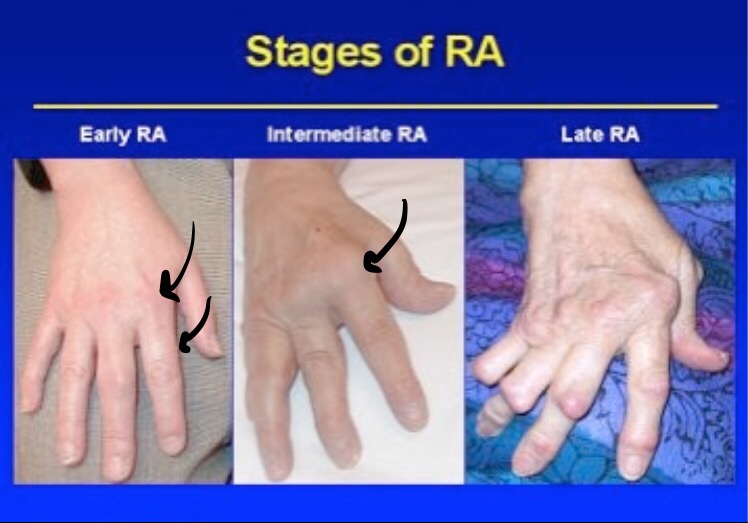
Arthritis, gout, or lupus can make the joints swell and ache. These conditions tend to be chronic, but a flareup can look like sudden painful swelling in hand.
Fluid Retention
Systemic issues like heart, kidney, or liver problems sometimes manifest as swelling in the hands and feet. The swelling is usually more symmetric (both hands) and accompanies other signs like shortness of breath.
Allergic Reactions
A bee sting or a new detergent can trigger a fastacting swelling, often with itching and a rash.
For deeper medical details, Mayo Clinic explains the different pathways that lead to hand edema.
Quick SelfCare
How to Reduce Swelling in Hands Quickly
Before you dial a doctor, give these triedandtrue tricks a whirl. Theyre the firstline heroes for most mild cases.
R.I.C.E. Method
- Rest: Put the hand on a pillow and avoid heavy lifting.
- Ice: Apply a cold pack for 1520 minutes, three times a day.
- Compression: Lightly wrap with an elastic bandagedont cut off circulation.
- Elevation: Keep the hand above heart level, like propping it on a stack of books.
OvertheCounter Helpers
Nonsteroidal antiinflammatory drugs (NSAIDs) such as ibuprofen can ease pain and shrink swelling. Just follow the dosage instructions and check with a pharmacist if youre on other meds.
Hydration & Lifestyle
Drink plenty of water and cut back on salty snacks; excess sodium draws fluid into tissues. Gentle handstretching exerciseslike opening and closing a soft ballpromote circulation.
If youre curious about official recommendations, the NHS outlines selfcare steps for everyday swelling.
When Home Care Isnt Enough
Signs Its Time to Call a Doctor
Home remedies are great, but theyre not a cureall. Heres the checklist that tells you when youve done enough and its time for a professional look.
- Swelling persists or worsens after 48hours despite R.I.C.E.
- Pain interferes with daily activities (writing, cooking, typing).
- Visible deformity, inability to flex or extend fingers, or swollen right hand with pain after a specific injury.
- Systemic signs: shortness of breath, chest pain, high fever, or a rapid heartbeat.
- Rapidly spreading swelling that engulfs the forearm or wrist.
DecisionTree Flowchart
Imagine a simple flowchart: Is the swelling sudden? Yes Is there severe pain or fever? Yes Call a doctor now. This mental map can make the decision feel less overwhelming.
Doctors Visit Explained
What to Expect at the Clinic
Knowing what the doctor will do can calm nerves. Heres the typical roadmap:
History & Physical Exam
The clinician will ask how the swelling started, any recent injuries, and your medical history. Expect a gentle rangeofmotion test to see which movements hurt.
Imaging Options
- Xray: Firstline for suspected fractures.
- Ultrasound: Great for detecting fluid collections or tendon issues.
- MRI: Reserved for complex softtissue injuries or unexplained chronic swelling.
Possible Diagnoses & Treatments
Depending on findings, the doctor may:
- Apply a splint or brace to immobilize a sprain.
- Prescribe antibiotics if an infection is present.
- Refer you to a hand surgeon or rheumatologist for chronic inflammatory conditions.
- Recommend a physiotherapy program for postinjury strengthening.
Patient Checklist
Bring these to your appointment for a smoother visit:
- List of current medications.
- Any recent Xrays or medical reports.
- Notes on when the swelling started and what worsens/relieves it.
- Insurance information.
FAQ Highlights
Can a Swollen Hand Signal Heart Trouble?
While isolated hand swelling rarely points to heart disease, symmetric swelling in both hands accompanied by shortness of breath could hint at fluid buildup from heart failure. If you notice this pattern, seek medical evaluation promptly.
Is One Hand Swelling More Serious Than Both?
Sudden swelling in a single hand often suggests a localized issuelike a sprain or infectionwhereas both hands swelling usually indicates a systemic cause such as medication sideeffects or kidney problems.
How Long Should I Wait Before Seeing a Doctor for Sudden Hand Swelling?
If the swelling doesnt improve after 48hours of proper R.I.C.E. care, or if any redflag signs appear sooner, make the call right away.
Do Swollen Hands Always Need Medication?
No. Many cases resolve with rest, ice, and gentle movement. Medications become necessary when pain is significant, an infection is suspected, or an underlying chronic condition needs treatment.
RealWorld Stories
Case #1: Ignoring the Warning
I once chatted with a friend who brushed off a puffy left hand after a weekend hike. He thought it was just a minor sprain, so he kept using it. By day three, the swelling turned purple and painful, and he finally visited urgent care. The doctor diagnosed a small fracture that needed a cast. He learned the hard way that early assessment could have saved him a week of immobilization.
Case #2: Quick Action Saves the Day
Another pal slipped on a wet floor at work. His right hand swelled within minutes, turned red, and throbbed intensely. He remembered the redflag checklist, called his doctor, and got an immediate Xray. It turned out to be a dislocated finger that was reset in the clinic, preventing ligament damage. He was back to typing the next day.
These stories illustrate the sweet spot between trusting your bodys signals and knowing when to call in the experts.
Conclusion
Swelling in the hand is more than just a cosmetic inconvenienceit can be your bodys way of shouting for help. Use the quickcheck redflag list, try simple R.I.C.E. steps, and keep a close eye on how you feel. If pain lingers, the swelling spreads, or any warning signs appear, dont hesitate to see a doctor. Prompt professional care not only eases discomfort but also protects you from possible longterm complications.
Take a moment now: have you ever experienced sudden hand swelling? What helped you the most? Share what worked for you, and lets keep each other informed and healthy.








