Not medical advice — written by Ngoc Vietsmall, who is not a healthcare professional.
This article summarises publicly available medical information for general readers. It cannot account for your history, medication or symptoms, and it is not a diagnosis or a treatment plan. Any dose mentioned comes from published labelling or guidelines — only your own prescriber can decide what is right for you.
Always speak to a doctor or pharmacist before starting, stopping or changing any treatment. If symptoms are severe or getting worse, seek urgent care. Full disclaimer · How this is written
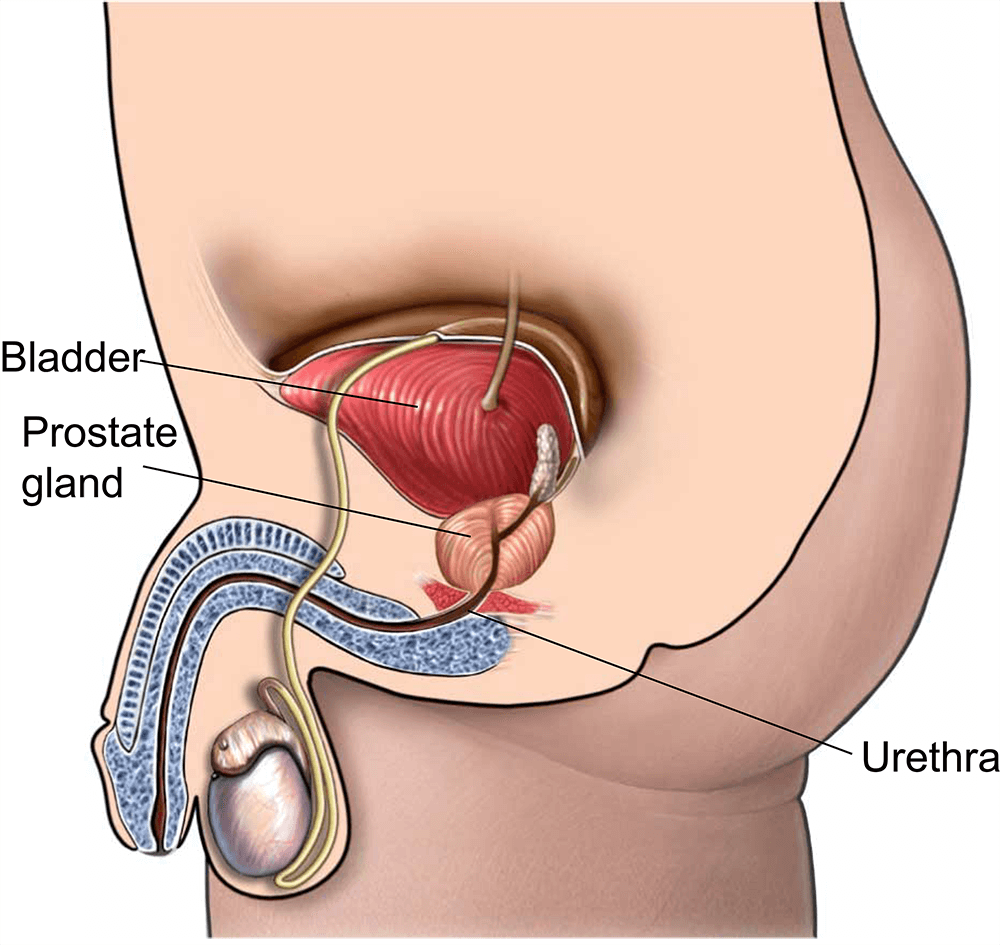
Thinking about a laparoscopic radical prostatectomy? In a single, minimallyinvasive session the surgeon removes the prostate through a handful of tiny incisions, giving cancer control thats on par with open surgery while sparing you the big scar, major pain, and long downtime. Below youll find the whole story the good, the tricky, the costs, and the realworld experiences so you can decide whether this option fits your life.
Why Choose This Surgery
Major benefits over traditional open surgery
When a surgeon works through a few millimetre ports instead of a large abdominal cut, blood loss drops dramatically, the risk of infection shrinks, and you usually get out of the hospital after just one or two nights. Studies from the Cleveland Clinic show that patients report less postoperative pain and return to light activities about 23weeks sooner.
Whos the ideal candidate?
The procedure shines for men with localized prostate cancer (stagesT1T2) that hasnt spread beyond the gland. If youre otherwise healthy and can tolerate a short generalanesthesia window, your urologist will likely consider you a good fit. Of course, every case is unique thats why a thorough preop workup (MRI, biopsy, PSA testing) is essential.
Types of Prostatectomy
| Type | Incision Size | Typical Hospital Stay | Key Pros | Key Cons |
|---|---|---|---|---|
| Open radical prostatectomy | 810cm | 35days | Direct view, long track record | More pain, longer recovery |
| Laparoscopic radical prostatectomy | 0.51cm (35 ports) | 12days | Minimal pain, quicker return | Requires specialized surgeon |
| Roboticassisted laparoscopic (daVinci) | Same as laparoscopic | 12days | 3D view, enhanced dexterity | Higher cost, limited availability |
| Simple (partial) prostatectomy | Small | 12days | For benign enlargement | Not suitable for cancer |
Four main prostatectomy styles at a glance
- Open the classic big cut. Works well in hands of experienced surgeons but leaves a bigger scar.
- Laparoscopic tiny ports, cameraguided; the focus of this article.
- Roboticassisted similar incisions to laparoscopic, but the surgeon operates from a console.
- Simple removes part of the gland; usually for noncancerous enlargement.
StepbyStep Procedure
Preop preparation youll actually do
Before the day of surgery, youll have a preadmission clinic visit where the team reviews imaging (MRI or CT), checks blood counts, and explains bowelprep instructions. Antibiotics are given to keep infection risk low, and youll discuss anesthesia options most patients get a shortacting general anesthetic.
What happens inside the operating room
- Port insertion The surgeon makes 35 keyholesize cuts and slides trocars (tiny tubes) through them.
- Laparoscope in A thin camera scopes the pelvis, projecting a crystalclear video onto a monitor.
- Prostate removal Using long instruments, the surgeon carefully detaches the prostate, seminal vesicles, and sometimes nearby lymph nodes.
- Reconstruction The bladder neck is reattached, and a urinary catheter is placed to allow drainage while the area heals.
Immediate postop care
After the operation youll spend a brief time in the recovery room, then move to a regular floor bed. Pain is usually managed with a combination of nonopioid meds and, if needed, a short opioid tap. The catheter stays in for about a weekplus, giving the urethra time to seal.
Recovery Timeline
Typical milestones you can expect
- Day02: Discharge home (often after just one night). Light walking is encouraged.
- Week12: Catheter removal, mild swelling subsides, you may return to light housework.
- Week34: Most patients are back at a desk job if they avoid heavy lifting.
- Week46: Light exercise, such as brisk walking or gentle cycling, feels comfortable. Driving is typically cleared if you feel confident.
- Month23: Sexual activity can be resumed, though nervesparing techniques improve chances of erectile function recovery.
Laparoscopic radical prostatectomy recovery time FAQs
How long before you can lift a grocery bag? Usually after 46weeks, when the incision sites have fully healed. When can you get back to your favorite sport? Most men report a return to golf or tennis around the sixweek mark, provided theyve cleared the surgeon.
Foods to avoid after prostate surgery
Spicy foods, excess caffeine, and acidic drinks can irritate the bladder while the catheter is in place. Stick to a bland, wellhydrated dietthink boiled potatoes, steamed chicken, and plenty of waterto aid healing and reduce urgency.
Risks & Side Effects
Shortterm complications you should know
- Urinary incontinence Temporary leakage affects up to 70% of men, but pelvicfloor physical therapy can speed recovery.
- Erectile dysfunction Up to 40% experience some degree of difficulty, especially if nervesparing wasnt possible.
- Infection or bleeding Rare thanks to minimally invasive techniques, but still a possibility.
Permanent side effects of prostate removal
While most issues improve over time, a minority of patients face lasting incontinence or sexual dysfunction. Open conversations with your surgeon about nervesparing options and postop rehab can help set realistic expectations.
Life expectancy after prostate removal
For men with localized disease, fiveyear survival exceeds 95% and tenyear survival hovers around 90%essentially matching the normal life expectancy for your age group. This data comes from the American Cancer Societys recent prostatecancer survival tables (American Cancer Society).
Prostate surgery ruined my life handling the fear
Its understandable to stumble on stories of regret online. Often those accounts lack contextperhaps the patient had advanced disease, or they didnt follow postop pelvicfloor training. By weighing credible data and listening to your own doctor, you can steer clear of unnecessary alarm.
Cost & Insurance
Typical price range in the United States
Laparoscopic radical prostatectomy generally runs between $15,000 and $30,000. If you opt for a robotic system, costs can creep up to $40,000$45,000 because of the equipment fees.
What insurance usually covers
Most private insurers and Medicare cover the majority of the procedure, including hospital stay, surgeon fees, and anesthesia. Youll still want to confirm coverage for preop labs, postop physical therapy, and the urinary catheter supplies.
Hidden expenses worth checking
- Preoperative imaging and labs
- Medication for pain and antibiotics
- Pelvicfloor physiotherapy (often outofpocket)
- Followup visits after the catheter is removed
Choosing the Right Surgeon & Facility
Credentials that matter
Look for a boardcertified urologic oncologist who has completed a fellowship in minimally invasive surgery and performs more than 100 laparoscopic prostatectomies per year. High volume is a strong predictor of lower complication rates.
Questions to ask at your consultation
- Do you routinely perform nervesparing laparoscopic procedures?
- What are your personal rates for urinary continence and sexual function after surgery?
- Can you share your hospitals infection and readmission statistics?
- How long will the catheter stay in, and what postop support do you provide?
Tools to verify expertise
Check the surgeons profile on the American Urological Association website, use hospital quality dashboards, and read patientreview platforms that verify credentials and outcomes.
Key Takeaways
Quick recap for busy readers
- Laparoscopic radical prostatectomy offers fast recovery, less pain, and oncologic results comparable to open surgery.
- Ideal for men with localized prostate cancer and good overall health.
- Recovery milestones: home in 12days, light work by 34weeks, full activity by 68weeks.
- Potential side effects include temporary incontinence and erectile dysfunctionboth often improve with therapy.
- Costs range $1530k; insurance typically covers most of it, but plan for ancillary expenses.
- Choose a highvolume, boardcertified surgeon and ask detailed outcome questions.
Next steps for you
If youre leaning toward laparoscopic radical prostatectomy, schedule a consultation with a qualified urologist, bring a list of your questions, and consider joining a patient support group. Knowledge and open dialogue are your best allies on this journey.