



Not medical advice — written by Ngoc Vietsmall, who is not a healthcare professional.
This article summarises publicly available medical information for general readers. It cannot account for your history, medication or symptoms, and it is not a diagnosis or a treatment plan. Any dose mentioned comes from published labelling or guidelines — only your own prescriber can decide what is right for you.
Always speak to a doctor or pharmacist before starting, stopping or changing any treatment. If symptoms are severe or getting worse, seek urgent care. Full disclaimer · How this is written
Lets cut to the chase: you cannot control everything in life, but you can take solid steps to lower the odds that a brain aneurysm will burst. Think of it like reinforcing a dam—regular maintenance, smart choices, and a watchful eye can keep the water at bay. This guide walks you through practical, evidence-backed ways to protect yourself, along with real stories and a handy cheatsheet you can print out. Grab a cup of tea, and lets get into it.
Risk Check Basics
What Causes Brain Aneurysm?
Most brain aneurysms develop because a wall in a blood vessel weakens over time. Genetics can play a part—if a close relative has had one, the odds may be higher. Lifestyle factors such as high blood pressure, smoking, heavy alcohol use, and illicit drug use (especially cocaine) can all stress those delicate vessels.
Which Risk Factors Can You Change?
Heres the good news: many of the biggest risks are within your control. Below is a quicklook table that shows common risk factors and general approaches that may help. Always discuss any changes with your healthcare provider.
| Risk Factor | Why It Matters | Approaches |
|---|---|---|
| Smoking | increases rupture risk | Options include nicotine replacement and support apps |
| Hypertension | Strains vessel walls | Following a DASH-style eating plan and monitoring blood pressure as advised |
| Excess Alcohol | Raises BP, damages vessels | Moderate intake according to general guidelines |
| Obesity | Linked to higher BP | Working toward a healthy BMI and adding regular physical activity |
How Fast Do Brain Aneurysms Grow?
Growth rates vary widely. Small aneurysms often expand slowly, while faster growth may prompt closer monitoring. The speed depends on size, location, and especially blood pressure control.
Symptoms of an Unruptured Brain Aneurysm
Most unruptured aneurysms are silent, but some people may notice subtle cues such as occasional headaches, blurred vision, slight facial numbness, or even changes in mood and behavior. Those effects on behavior can sometimes feel like increased irritability or forgetfulness without a clear cause.
What Is the Brain Aneurysm Survival Rate?
Outcomes after a rupture depend heavily on how quickly someone receives medical care. Early treatment improves the chances of survival, but each case is unique, and many survivors face long-term challenges.
Everyday Lifestyle Tips
Quit Smoking Its a Game Changer
Smoking is the single biggest modifiable risk. A study published in Mayo Clinic shows that smokers are up to three times more likely to experience a rupture. Some people find it helpful to set a quit date, use nicotine patches or gum, and enlist a buddy for accountability. Apps like QuitNow! can help track progress.
Control Blood Pressure The Silent Protector
Many health guidelines suggest a systolic target, for example under 130 mmHg, but your personal target is set by your healthcare provider. The NHS recommends the DASH (Dietary Approaches to Stop Hypertension) eating plan as one example—think lots of leafy greens, berries, beans, and lowfat dairy. Reducing sodium is often recommended; some guidelines suggest less than 1,500 mg per day, but check with your doctor for your individual needs. Home BP cuffs can provide useful feedback—logging numbers and spotting trends can help you and your doctor make informed decisions.
HeartHealthy Diet Food That Fights
Heres a quick 5-day sample menu:
- Day 1: Oatmeal with blueberries, grilled salmon, quinoaveg stirfry.
- Day 2: Greek yogurt, almondcrusted chicken, roasted sweet potatoes.
- Day 3: Smoothie (spinach, banana, flaxseed), lentil soup, steamed broccoli.
- Day 4: Wholegrain toast with avocado, turkey chili, mixed fruit.
- Day 5: Scrambled eggs with tomato, baked cod, brown rice, side salad.
These meals keep sodium low, potassium high, and pack omega3s that support vessel health.
Regular Exercise Keep the Blood Flow Smooth
Many guidelines suggest at least 150 minutes of moderate aerobic activity per week, such as brisk walking, cycling, or swimming, along with light strength training on two days. Regular exercise can help with blood pressure, cholesterol, and stress, which are all relevant to vascular health. Always check with a professional before starting a new exercise routine.
Limit Alcohol & Caffeine
Alcohol can raise blood pressure, especially with heavy or binge consumption. General guidelines often suggest moderate intake—for example, up to one drink per day for women and two for men, but individual limits may differ. Caffeine is not a major concern for most, but if you are sensitive, consider staying within moderate amounts; your healthcare provider can offer guidance.
Maintain a Healthy Weight
Excess weight compounds hypertension. Some approaches: use smaller plates, sip water before meals, and add a 10-minute walk after dinner. Small, consistent changes add up.
Sleep & Stress Management
Sleep apnea may silently raise your blood pressure at night. If you snore loudly or feel tired after a full nights sleep, consider discussing a sleep study with your doctor. For stress, try mindfulness meditation (even five minutes a day) or a hobby you love. Reducing cortisol helps keep your vessels relaxed.
Supplements Helpful or Hype?
Research on supplements to prevent aneurysm is mixed. Omega3 fish oil shows modest benefits for overall vascular health, but theres no solid proof it stops aneurysm growth. VitaminC and magnesium are important for vessel integrity, yet they arent magic bullets. Always discuss with your doctor before starting any supplement.
Medical Management Guide
Medication Options
Healthcare providers may prescribe antihypertensives—such as ACE inhibitors, ARBs, or calcium-channel blockers—to help manage blood pressure. For some small aneurysms, specialists sometimes consider low-dose nimodipine, though evidence on its benefit for rupture prevention is still evolving. The choice and dose of any medication are determined by your prescriber.
Regular Imaging FollowUp
The frequency of imaging depends on aneurysm size and growth patterns. For example:
- Small aneurysms: often followed with longer intervals between scans.
- Medium aneurysms: may be monitored annually or as advised.
- Large or rapidly growing: more frequent imaging and discussion of treatment options.
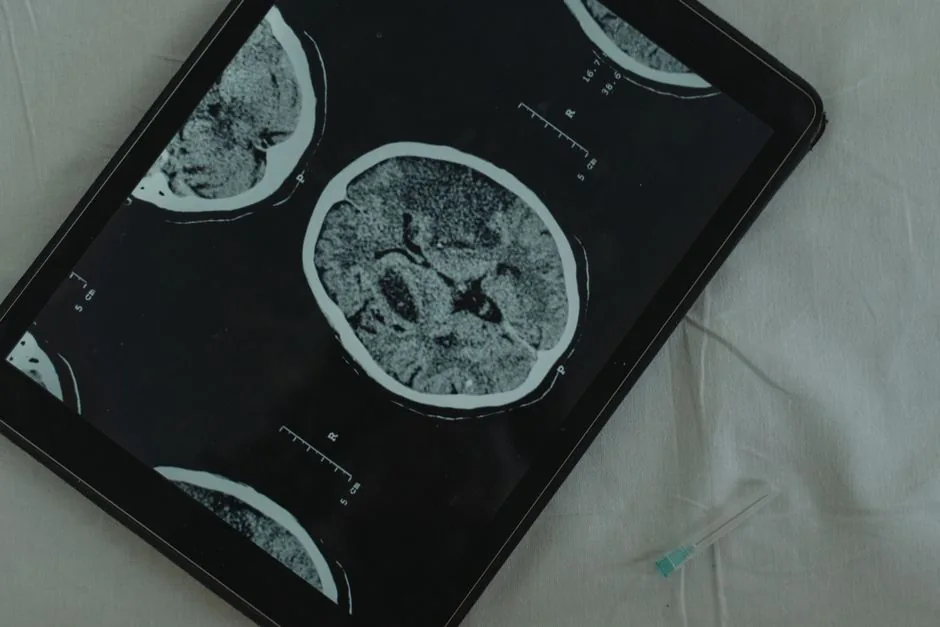
Understanding the images can be intimidating, so ask your radiologist to walk you through the key points.
When Surgery Becomes an Option
Two common techniques are endovascular coiling (a tiny platinum coil fills the aneurysm) and surgical clipping (a metallic clip placed at the neck). Each has its own considerations, and the choice depends on the specific anatomy and individual health factors, as determined by the treating neurosurgeon.
RedFlag Symptoms Call 911
A possible sign of a rupture is a sudden, severe headache, sometimes described as a thunderclap. If accompanied by neck stiffness, vision loss, or loss of consciousness, these are reasons to seek emergency care immediately. If you are uncertain, it is safer to get evaluated.
Real Stories & Cases
Story: From Smoker to Survivor
Mike, 58, discovered a 6mm aneurysm during a routine MRI. He smoked a pack a day for 30years. After quitting, he lowered his BP to 118/70mmHg, adopted the DASH diet, and started walking 30minutes daily. Six months later, his aneurysm remained stable, and his doctor postponed any invasive procedure. Mikes takeaway? If I could change one thing, it would be lighting up. The breath of fresh air saved me.
Case Study: Small Aneurysm Monitored for 5Years
A 42yearold woman with a 4mm posterior communicating artery aneurysm underwent annual MRA. Over five years, the size barely changed (0.3mm growth). She kept her BP under 120mmHg and never smoked. Her neurosurgeon opted for continued monitoring, citing the low rupture risk. This illustrates how diligent control can buy years of peace of mind.
Expert Insight
Dr. Emily Hart, boardcertified neurovascular surgeon, says, Patients often overestimate the danger of every small aneurysm, but underestimating modifiable risks like hypertension can be fatal. A balanced, datadriven approach is key.
Quick Reference Sheet
Download a printable PDF that captures the Top7 Prevention Steps, a checklist for emergency symptoms, and a simple calendar to track bloodpressure readings and imaging appointments. (You can create the PDF yourself from this table or copy it into a document.)
| Step | Action | Suggested Frequency |
|---|---|---|
| Check Blood Pressure | Use home cuff and log results as advised | As recommended |
| Quit Smoking | Nicotine replacement, support options | Ongoing |
| Eat DASH Diet | Low-sodium, high-potassium meals | Regularly |
| Exercise | Moderate aerobic + strength training | Weekly |
| Medical Appointments | BP review, imaging as scheduled | Per schedule |
| Know RedFlags | Thunderclap headache, neck stiffness | Always |
| Review Meds | Discuss antihypertensives and supplements with prescriber | At each visit |
Final Takeaways
While no strategy can guarantee that a brain aneurysm will not rupture, many health guidelines suggest that managing blood pressure, not smoking, eating a nutritious diet, staying active, and attending regular medical monitoring can all contribute to lowering risk. Your healthcare team is your best resource for a personalized plan.
Take one step today: measure your blood pressure, schedule that checkup, or put a quit-smoking app on your phone. Small actions add up, and every moment you invest in yourself is a moment youre supporting your brain.
Whats one habit you feel confident you can start right now? If you have questions, bring them up with your healthcare provider. Remember, small consistent steps matter.








