
Not medical advice — written by Ngoc Vietsmall, who is not a healthcare professional.
This article summarises publicly available medical information for general readers. It cannot account for your history, medication or symptoms, and it is not a diagnosis or a treatment plan. Any dose mentioned comes from published labelling or guidelines — only your own prescriber can decide what is right for you.
Always speak to a doctor or pharmacist before starting, stopping or changing any treatment. If symptoms are severe or getting worse, seek urgent care. Full disclaimer · How this is written
If youve suddenly started tasting iron and feel wiped out, youre probably wondering, Is this normal or something serious? The short answer: a metallic taste paired with fatigue can be a harmless sideeffect of a recent medication, a sign of a vitamin deficiency, or a clue that your body is fighting an infection or dealing with a deeper health issue.
Most of the time the sensation goes away on its own, but if it sticks around, shows up with other worrisome signs, or you just cant shake the rattling feeling, its worth taking a closer look and maybe chatting with a healthcare professional.
Quick Answers
Is it dangerous?
Usually not. In many cases its a temporary glitchthink of it as your tongues way of saying hey, somethings a little off. However, persistent metallic taste plus lingering fatigue can sometimes point to kidney problems, hormonal imbalances, or even early signs of certain cancers. When in doubt, a quick checkup can bring peace of mind.
What can I do right now?
Hydrate well, chew sugarfree gum, and keep tabs on any new meds or supplements youve started. If the taste lingers for more than a week, or you notice headaches, nausea, dizziness, or weight loss, schedule an appointment. Early detection is often the best safeguard.
Common Causes
Why am I dizzy and have a metallic taste in my mouth?
These two sensations love to travel together because they often share a root cause. Low blood pressure, dehydration, and innerear disturbances can all make you feel offbalance while a weird metallic flavor lingers on your palate.
What medical conditions link metallic taste and fatigue?
Heres a quick rundown of the most frequent culprits:
- Kidney dysfunction When the kidneys cant filter waste efficiently, toxins build up and can taste like metal. Fatigue follows because the bodys energy factories (your cells) are running low on clean fuel.
- Vitamin and mineral deficiencies Low zinc, copper, or vitamin B12 can alter tastebud chemistry. A quick blood test will tell you if youre missing any of these nutrients.
- Infections The common cold, flu, and especially COVID19 can cause dysgeusia, a fancy word for a distorted taste, often described as metallic.
- Medication sideeffects Antibiotics, antihypertensives, and some chemotherapy drugs are known to coat the tongue with a metallic sheen.
- Hormonal changes Pregnancy, menstrual cycles, or thyroid disorders can tweak both taste perception and energy levels.
Can a deficiency cause a metallic taste?
Yes! Zinc and copper act like tiny conductors for taste signals. When theyre low, the signals get scrambled, and you might taste copper pennies on your toast. Vitamin B12 deficiency can also cloud taste and sap your stamina.
What cancers cause metallic taste in mouth?
Its rare, but certain headandneck, lung, and blood cancers can release substances that taste metallic. The key is that other alarm bellsunexplained weight loss, night sweats, or persistent coughusually show up first. If you have those, a doctors evaluation is essential.
Why does it happen more often in women?
Hormonal fluctuationsthink menstrual cycles, pregnancy, or menopausecan make taste buds more sensitive. Women also have a slightly higher prevalence of thyroid disorders, which can cause both metallic taste and fatigue.
Red Flag Symptoms
Most metallictaste episodes are benign, but keep an eye out for these warning signs. When they appear, its time to call your doctor.
| RedFlag Symptom | What It Might Indicate |
|---|---|
| Severe headache + nausea | Possible infection, migraine, or early neurological issue |
| Dizziness + metallic taste | Low blood pressure, innerear problem, or medication sideeffect |
| Persistent fever or night sweats | Infection or underlying malignancy |
| Significant weight loss | Thyroid disorder, cancer, or chronic kidney disease |
| Blood in urine or swelling | Kidney trouble |
What labs should I expect?
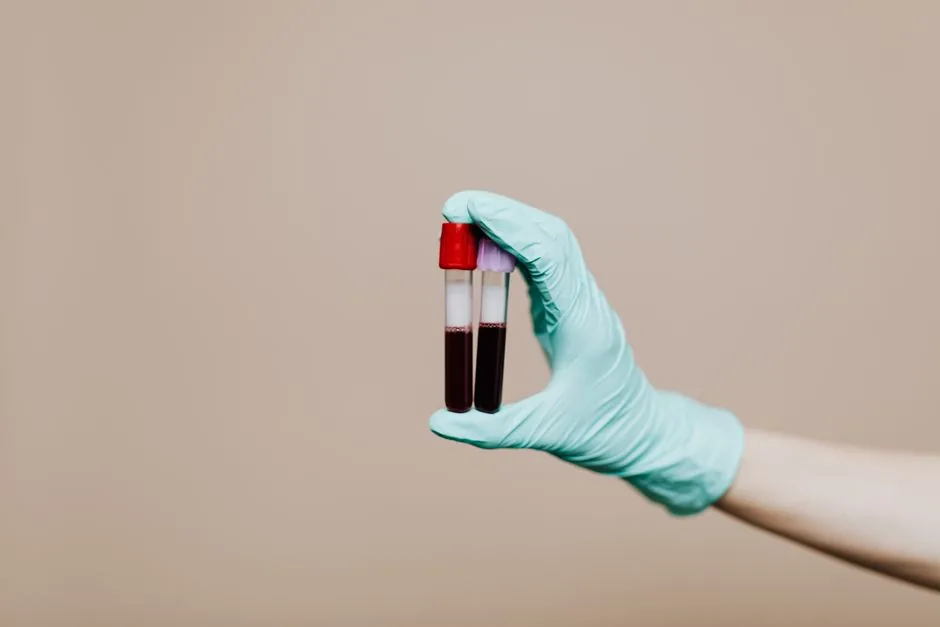
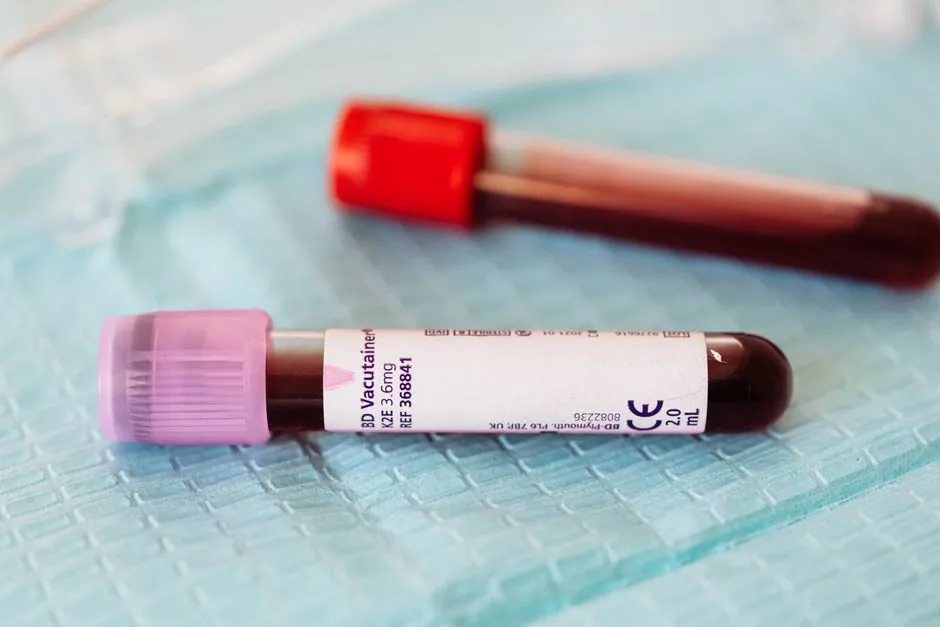
Your doctor may order a complete blood count (CBC), metabolic panel, kidney function tests, and specific vitamin levels (zinc, B12). If infection is suspected, a COVID19 test or sinus swab could be on the list.
Self Assessment
Did I change any meds recently?
Grab a notebook and jot down the name, dose, and start date of each medication or supplement youve begun in the past month. Compare that timeline with when the metallic taste started. A simple timeline can help your doctor pinpoint a culprit.
Am I hydrated enough?
Dehydration is a sneaky offender. Aim for 23 liters of water a day, more if you exercise or live in a hot climate. If youre already sipping enough, consider whether youve been sweating a lot or have had recent vomiting/diarrhea.
Any recent infections?
Even a mild cold can scramble taste receptors for a few days. Ask yourself: Did I have a sore throat, runny nose, or fever in the last week? If yes, the metallic taste may simply be a lingering aftereffect.
Diet changes?
Switching to a vegan diet, cutting out processed foods, or starting a new supplement program can shift gut flora and affect taste. Look for patterns like I started a highzinc supplement and the taste disappeared after two weeks.
Exposure to metals?
Dental fillings, certain work environments (metalworking, paint, or battery factories), or even using a new metal water bottle can occasionally leach small amounts of metal into your system.
Treatment Options
Lifestyle tweaks that help
Here are a few loweffort habits that often make a big difference:
- Hydration Keep a water bottle at your desk and sip regularly.
- Balanced diet Incorporate zincrich foods like pumpkin seeds, beef, and chickpeas; add B12 sources such as eggs, dairy, or fortified cereals.
- Oral hygiene Brush twice a day, floss, and use an alcoholfree mouthwash. A clean mouth reduces the chance of bacterial overgrowth that can produce metallic flavors.
- Stress management Short breathing exercises or a 5minute walk can lower cortisol, which sometimes aggravates taste disturbances.
Overthecounter helpers
If hydration and diet arent enough, a zinc gluconate lozenge (usually 1530mg) taken once daily can restore taste buds within a week. Be sure to follow the labeltoo much zinc can cause nausea.
When medical intervention is needed
Only a clinician can decide if you need a prescription change or specific treatment.
- Medication adjustment Your doctor may switch you to an alternative drug or lower the dose.
- Treat underlying disease If kidney disease or thyroid imbalance is discovered, targeted therapy often clears the metallic taste fast.
- Referral to specialists An ENT (ear, nose, throat) doctor can inspect the oral cavity, while a neurologist looks for nerverelated issues if dizziness persists.
How to get rid of metallic taste quickly
Try these simple tricks while you wait for labs:
- Rinse your mouth with a mixture of halfcup warm water and a pinch of baking soda (helps neutralize acids).
- Chew sugarfree gum flavored with peppermint or citrus the extra saliva flushes out lingering metallic particles.
- Eat a small piece of fruit (like an orange slice) the natural acids can reset taste buds.
Professional resources
For a deeper dive into how kidneys affect taste, the National Institute of Diabetes and Digestive and Kidney Diseases offers clear explanations. Likewise, the Mayo Clinic outlines many causes and when to seek care.
Bottom Line
Stumbling on a metallic taste while feeling exhausted can be unsettling, but most of the time its a temporary glitch that resolves with a glass of water, a balanced bite, or a quick medication review. Keep an eye on redflag symptoms like severe headache, unexplained weight loss, or persistent dizzinessthose are the moments to ring your doctors office. In the meantime, stay hydrated, feed your body the nutrients it craves, and dont hesitate to reach out for professional guidance if the taste lingers.
Remember, youre not alone in this odd sensory adventure. If youve experienced a similar metallic mouthfeel, share what helped you in the comments below or drop a question. Were all in this together, and every story makes the journey a little clearer.