Not medical advice — written by Ngoc Vietsmall, who is not a healthcare professional.
This article summarises publicly available medical information for general readers. It cannot account for your history, medication or symptoms, and it is not a diagnosis or a treatment plan. Any dose mentioned comes from published labelling or guidelines — only your own prescriber can decide what is right for you.
Always speak to a doctor or pharmacist before starting, stopping or changing any treatment. If symptoms are severe or getting worse, seek urgent care. Full disclaimer · How this is written
If you’ve been feeling constantly frazzled, gaining weight around your belly, or battling sleepless nights, you might wonder if high cortisol is the hidden culprit. The good news? There are clear, evidence‑based ways to bring those levels back into balance—whether that means a medical approach, lifestyle tweaks, or the right supplement combo.
In the next few minutes you’ll discover exactly what high cortisol looks like in women, how doctors figure it out, and which treatments – from surgery to a calming evening routine – actually work. Let’s dive in and get you the answers (and relief) you deserve.
What Is High Cortisol
Definition and Role of Cortisol
Cortisol is often called the “stress hormone” because it’s released by your adrenal glands whenever you face a physical or emotional challenge. In short bursts, it helps regulate blood sugar, keep inflammation in check, and even support memory formation. The problem starts when cortisol stays elevated day after day, turning a helpful response into a chronic strain on your body.
Why Women Experience It Differently
Female hormones such as estrogen and progesterone interact with cortisol in subtle ways. For example, estrogen can amplify the cortisol response, while progesterone may buffer it. That means the same stressor that barely nudges a man’s cortisol can push a woman’s levels much higher, especially during menstrual cycles, pregnancy, or menopause.
When High Cortisol Becomes a Health Issue
Doctors generally start worrying when cortisol consistently exceeds the normal range (about 5‑25 µg/dL in the morning) and you begin showing clear symptoms. Persistent elevation can signal conditions like Cushing syndrome, adrenal tumors, or a secondary effect of long‑term use of certain medications.
Spotting the Signs
Common Physical Symptoms
Think of high cortisol as a sneaky thief that steals your body’s harmony. You might notice:
- Weight gain—especially a “moon‑face” or excess belly fat.
- Thin, fragile skin that bruises easily.
- Muscle weakness or a feeling of “fluffiness” in the arms and legs.
Mood and Metabolic Clues
Beyond the surface, cortisol messes with your mood and metabolism:
- Heightened anxiety, irritability, or feeling “on edge.”
- Insomnia or restless sleep.
- Irregular or missed periods, high blood pressure, and spikes in blood sugar.
Morning Cortisol Patterns
Normally, cortisol peaks between 6 am and 8 am to help you wake up. If that morning surge stays high throughout the day, you’ll likely feel “wired” even after a full night’s rest. Measuring a late‑night salivary sample can reveal whether your rhythm is out of sync.
Low Cortisol: The Other End of the Spectrum
It’s worth noting that too little cortisol can cause fatigue, weight loss, and cravings for salty foods—sometimes confused with “high cortisol symptoms.” Keeping the balance right is the real goal.
How Is High Cortisol Diagnosed
Laboratory Tests
Doctors use three primary tests to pin down cortisol levels:
- 24‑hour urinary free cortisol – a comprehensive snapshot of daily output.
- Late‑night salivary cortisol – convenient at home and especially good for detecting Cushing syndrome.
- Dexamethasone suppression test – checks whether cortisol drops when you take a synthetic steroid.
Imaging Studies
If blood work raises red flags, imaging such as a CT or MRI of the adrenal glands can reveal tumors or hyperplasia. A Mayo Clinic overview of adrenal imaging explains the process in plain language.
Specialist Consultation
Endocrinologists are the go‑to experts. They’ll interpret test results, rule out secondary causes (like certain antidepressants), and guide you toward the safest treatment plan.
Medical Treatment Options
Surgery – Adrenalectomy
When an adrenal tumor is the culprit, removal—usually via a minimally invasive laparoscopic approach—offers the highest cure rate. Most patients experience rapid normalization of cortisol levels within weeks, and long‑term follow‑up shows excellent outcomes.
Prescription Medications
If surgery isn’t an option, doctors may prescribe medications that block cortisol production:
- Ketoconazole – originally an antifungal, now a common off‑label choice.
- Metyrapone – reduces cortisol synthesis but may cause mild hypertension.
- Mitotane – a powerful drug used for aggressive cases, though it carries a higher side‑effect profile.
- Pasireotide (Signifor) – a newer agent that targets pituitary tumors causing excess ACTH.
Every medication comes with its own risk‑benefit balance; ongoing monitoring is essential.
Radiation and Alternative Interventions
Rarely, radiation therapy or a bilateral adrenalectomy (removal of both glands) may be considered for refractory disease. These are complex decisions best made with a multidisciplinary team.
Lifestyle & Supplement Strategies
Nutrition Basics
Food can be a surprisingly powerful cortisol modulator. Aim for a balanced plate rich in:
- Whole‑grain carbs that keep blood sugar stable.
- Magnesium‑dense foods (leafy greens, nuts, seeds) which help the body relax.
- Omega‑3 fatty acids from fish or flaxseed, known to dampen inflammation.
Supplements to Reduce Cortisol
Research (see a 2023 PubMed study) highlights a few candidates worth trying:
- Phosphatidylserine – 300 mg daily may blunt the cortisol spike after intense training.
- Ashwagandha – an adaptogenic herb that’s been shown to lower morning cortisol by up to 30% in some trials.
- Magnesium glycinate – supports sleep and can reduce stress‑related cortisol.
- Fish oil – EPA/DHA ratios of 2:1 help regulate hormone production.
Always chat with your healthcare provider before adding supplements, especially if you’re on prescription meds.
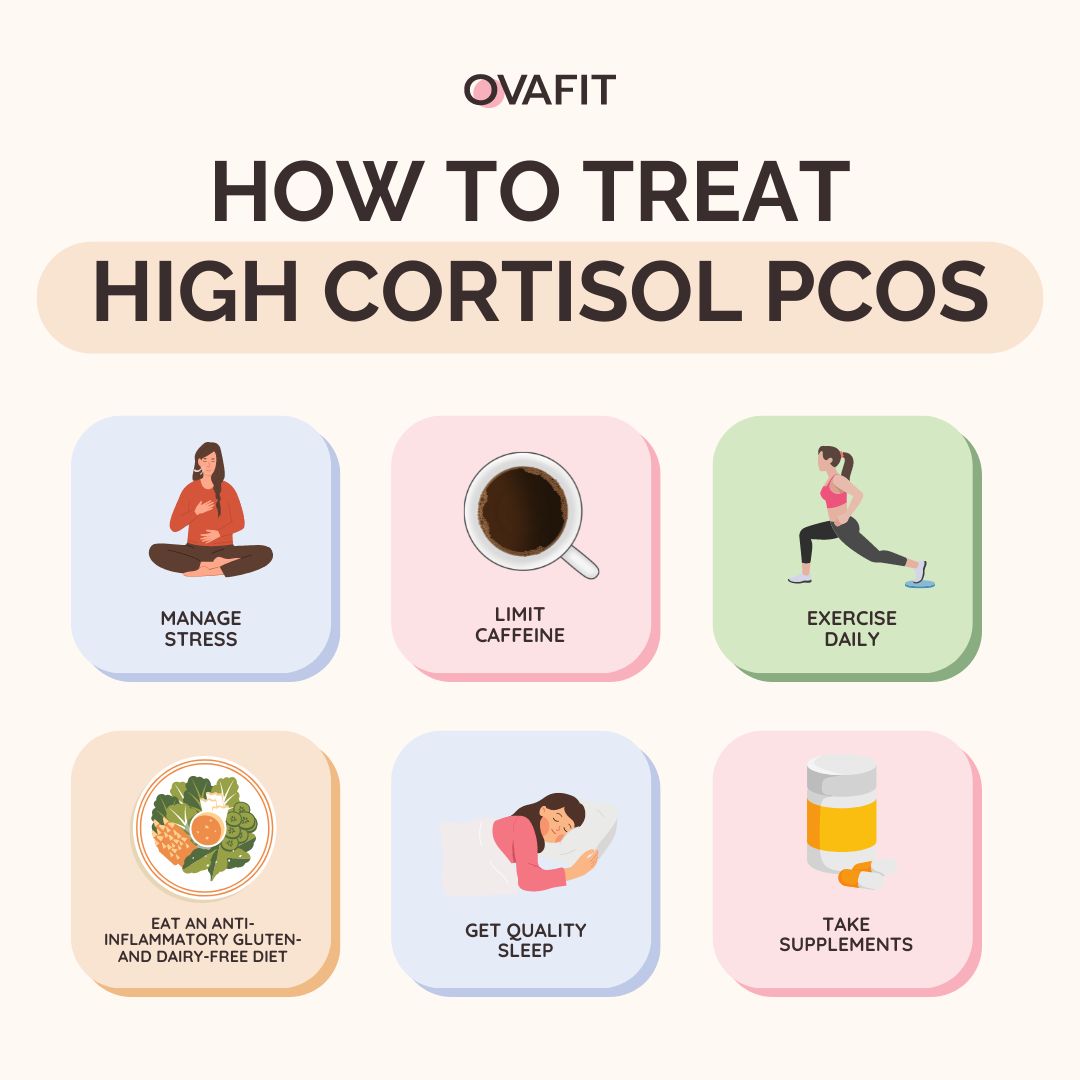
Stress‑Management Techniques
Think of stress management as “cortisol coaching.” Simple practices you can weave into daily life include:
- Deep‑breathing exercises (4‑7‑8 method) for 5 minutes each morning.
- Mindfulness meditation – even 10 minutes of guided calm can lower cortisol by 15% over a month.
- Progressive muscle relaxation – tense each muscle group for a few seconds, then release.
According to the Cleveland Clinic, regular relaxation practice is one of the most consistent ways to keep cortisol in check.
Sleep Hygiene & Circadian Support
Sleep and cortisol are tightly linked. Optimize your night:
- Cool, dark bedroom (around 65°F/18°C).
- Turn off screens at least 30 minutes before bed.
- Consider a short (20‑minute) power nap early in the afternoon if you’re sleep‑deprived.
Physical Activity
Exercise is a double‑edged sword. Moderate aerobic workouts (30‑45 minutes, 3‑5 times a week) reliably lower baseline cortisol, while very high‑intensity training can spike it temporarily. Find the sweet spot that leaves you feeling energized, not exhausted.
Balancing Benefits & Risks
Decision‑Making Framework
Before you choose a path, ask yourself:
- How severe are my symptoms?
- Is there a clear anatomical cause (tumor, hyperplasia)?
- Do I want to avoid surgery?
- What are my fertility or pregnancy plans?
- What’s my budget and insurance coverage?
Risks of Surgical vs. Medical Therapy
Surgery offers a quick fix but carries typical operative risks—infection, bleeding, or temporary hormonal imbalance. Medications avoid surgery but may require lifelong dosing and regular blood‑test monitoring for side‑effects like liver enzyme changes.
Combining Approaches
Many women find the best results when they pair a medical intervention (or surgery) with lifestyle changes. For example, after adrenalectomy, adding magnesium and a nightly breathing routine can smooth the transition back to normal cortisol rhythms.
Insurance and Cost Considerations
Most major insurers cover adrenalectomy and the primary prescription drugs for Cushing syndrome. Supplements and certain lifestyle programs are usually out‑of‑pocket, though health‑savings accounts (HSAs) can help offset costs.
Real‑World Success Stories
Case Study A – Surgical Cure
Anna, 38, was diagnosed after repeated weight‑gain and a “moon‑face” appearance. A CT scan revealed a 2 cm adrenal adenoma. She underwent laparoscopic adrenalectomy, and within a month her cortisol levels normalized. She now follows a mild Mediterranean diet and practices nightly meditation to keep stress low.
Case Study B – Lifestyle‑First Approach
Maria, 45, preferred to avoid surgery. Her doctor prescribed a low dose of ketoconazole while she adopted an ashwagandha supplement, daily magnesium, and a 20‑minute evening walk. After six months, her morning cortisol dropped by 25%, and she reported better sleep and slimmer waistline.
Patient Interview Excerpt
“I felt like I was constantly on a treadmill you can’t get off,” Maria says. “When I finally started caring for my sleep and added a small herb, I finally felt like *me* again.”
Conclusion
High cortisol in women is a real, treatable challenge. By getting an accurate diagnosis, weighing the pros and cons of surgery versus medication, and embracing evidence‑backed lifestyle tweaks, you can bring your hormone levels back into harmony. Start small—perhaps a five‑minute breathing break before bed or a handful of magnesium‑rich nuts—and watch the change ripple through your day. If you’re ready to take the next step, schedule a chat with an endocrinologist, download our free “Cortisol‑Control Checklist,” and share what works for you in the comments. Your journey to calmer mornings and healthier evenings begins now.