Not medical advice — written by Ngoc Vietsmall, who is not a healthcare professional.
This article summarises publicly available medical information for general readers. It cannot account for your history, medication or symptoms, and it is not a diagnosis or a treatment plan. Any dose mentioned comes from published labelling or guidelines — only your own prescriber can decide what is right for you.
Always speak to a doctor or pharmacist before starting, stopping or changing any treatment. If symptoms are severe or getting worse, seek urgent care. Full disclaimer · How this is written
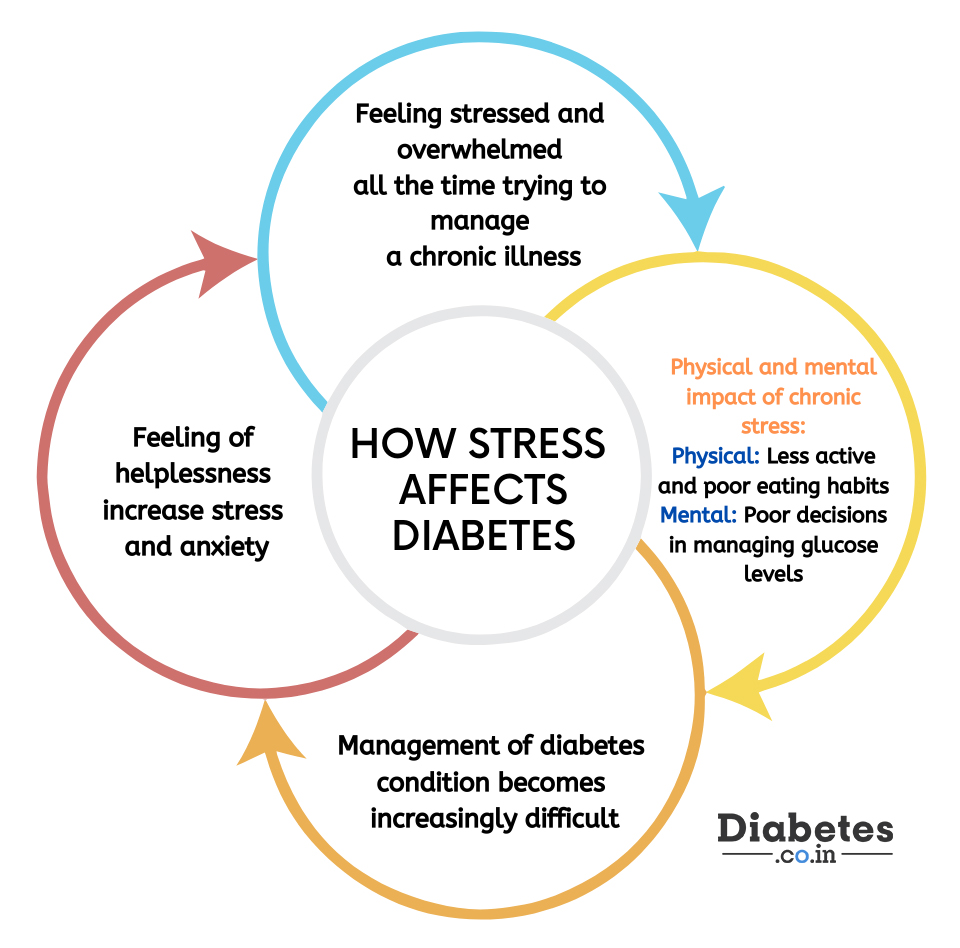
At first, I thought my occasional butterflies before a big meeting were harmless. Then I checked my glucometer and saw a spike that could rival a postlunch high. The truth? Emotional stress can push your blood sugar up (or even down) in ways many of us never imagined. In short, stress hormones like cortisol and adrenaline tell your liver to dump glucose into the bloodstream, giving you a quick energy boost. If that boost happens often, it can become a chronic problem, especially for people with diabetes, pregnancyrelated glucose changes, or even for folks who dont have diabetes at all.
Understanding this connection isnt just triviaits the difference between feeling in control and watching your numbers run wild. Below well walk through the science, the symptoms, and, most importantly, the everyday steps you can take to keep stress from hijacking your blood sugar.
The Stress Physiology
What the FightorFlight Response Does to Sugar
When youre startled by a sudden deadline or a loud noise, your brain fires up the sympathetic nervous system. Adrenaline (also called epinephrine) rushes into circulation, telling the liver, Release the stored glycogen right now! In a matter of minutes, glycogen is broken down into glucose, flooding your bloodstream. This is the bodys ancient survival trick: more fuel for muscles to run, fight, or escape.
How Much Does Cortisol Raise Blood Sugar?
Cortisol, the stresshormone that lingers longer than adrenaline, has a subtler but steadier effect. Research shows that for every 10g/dL increase in cortisol, blood glucose can climb roughly 1030mg/dL, depending on the persons insulin sensitivity. In practical terms, a particularly stressful week could push your fasting glucose from 95mg/dL to 120mg/dL or higher. A study in Diabetes Care explains the exact mechanisms and gives the numbers you can trust.
Acute vs. Chronic Stress
One night of sleepless worry might cause a temporary spike, and thats often harmless. The danger appears when stress becomes a daily companion. Chronic elevation of cortisol can blunt insulins effectivenessa condition known as insulin resistance. Over months, this resistance can turn a fleeting high into a persistent problem, nudging you closer to prediabetes or worsening an existing diabetes diagnosis.
Why Some People See Low Sugar When Stressed
It sounds contradictory, but a sudden surge of adrenaline can also trigger an overrelease of insulin, especially in people who are very insulinsensitive. When the insulin wave catches up after the adrenaline rush, glucose can tumble, producing symptoms that mimic a panic attack: shakiness, sweating, and a lowbloodsugar feeling. While rare, this phenomenon explains why some nondiabetics report stressinduced hypoglycemia.
| Hormone | Typical Trigger | Effect on Blood Glucose |
|---|---|---|
| Adrenaline (Epinephrine) | Acute stress, fear, excitement | Rapid rise (20100mg/dL) within minutes |
| Cortisol | Prolonged emotional/physical stress | Steady increase (1030mg/dL per 10g/dL cortisol) |
| Insulin (secondary response) | After adrenaline surge or cortisoldriven insulin resistance | Possible drop (if overreleased) or blunted action (if resistant) |
Stress & Diabetes Types
Can stress raise blood sugar in type2 diabetes?
Absolutely. In type2 diabetes, cells already struggle to respond to insulin. When cortisol tells the liver to pour out more glucose, the alreadyresistant cells cant clear it effectively, leading to spikes that may be 30100mg/dL higher than usual. Many patients notice that a hectic work week coincides with higher HbA1c readings, even if they havent changed their diet or medication.
Can stress raise blood sugar in type1 diabetes?
Even though type1 diabetes is an absolute insulin deficiency, stress hormones can still outpace the insulin you inject or pump. A sudden presentation at a conference, for example, can cause a rapid adrenaline surge that overwhelms a preset basal rate, resulting in hyperglycemia that can last several hours. Realworld storieslike a parent sharing how a deadlinedriven panic attack pushed their childs glucose above 250mg/dLhighlight the need for flexible dosing plans.
Stress During Pregnancy
Pregnancy already shifts hormone balances, making the body more insulinresistant. Adding emotional stress on top can increase the risk of gestational diabetes or worsen existing glucose control. Studies suggest that pregnant women who score high on perceived stress scales have a 1.5fold higher odds of developing elevated blood sugars. Simple mindfulness practices and regular prenatal checkins can make a big difference.
Stress Effects on NonDiabetics
Can anxiety raise blood sugar in nondiabetics? Yesacute anxiety can nudge glucose up by 1020mg/dL, enough to feel a little more wired. Over time, chronic anxiety may contribute to insulin resistance, setting the stage for future metabolic issues. Conversely, can stress cause low blood sugar levels in nondiabetics? Its uncommon, but after a major adrenaline rush, a quick insulin overcompensation can drop glucose below 70mg/dL, leaving you feeling shaky and lightheaded.
Symptoms You Should Notice
StressRelated Diabetes Symptoms
When stress is silently tugging at your glucose, the signs can be easy to miss. Common clues include:
- Frequent thirst or dry mouth despite adequate water intake.
- Unexplained fatigue that doesnt improve after a nap.
- Blurred vision that clears once stress subsides.
- Sudden weight changesoften a modest gain from cortisoldriven appetite spikes.
Diabetes.org explains how these symptoms often overlap with normal stress reactions, making it crucial to check your blood sugar when they appear.
When Stress Mimics Low or High Sugar
Both high and low glucose can masquerade as anxiety attacks: rapid heartbeat, sweating, trembling, or a racing mind. The difference lies in timinghigh sugar often brings a lingering heaviness, while low sugar tends to cause sudden weakness or confusion. If youre unsure, a quick fingerstick test is the safest way to tell the truth.
RedFlag Signals
While occasional spikes are manageable, some patterns demand medical attention:
- Persistently reading above 200mg/dL for more than 48hours.
- Repeated lows under 70mg/dL accompanied by confusion or seizures.
- Newonset visual disturbances or persistent headaches.
If any of these show up, reach out to your healthcare provider promptlyearly intervention can prevent longterm complications.
Managing Stress Effectively
Lifestyle Tools That Really Work
First, breathe. A simple 478 breathing pattern (inhale 4 seconds, hold 7, exhale 8) can calm the sympathetic nervous system in less than a minute. Pair this with a short walk, a favorite playlist, or a quick stretchanything that breaks the stress loop and lowers cortisol.
Nutrition Hacks for Stressy Days
When youre feeling frazzled, your cravings often swing toward sugary snacks. Instead, try a stresssnack that balances carbs, protein, and healthy fats: a slice of wholegrain toast with almond butter, a handful of berries, and a sprinkle of chia seeds. This combo steadies blood sugar and curbs the cortisol surge that sugary spikes can provoke.
Medical Tweaks You May Need
If you live with type1 or type2 diabetes, discuss with your doctor the possibility of temporary dose adjustments during highstress periods. Some people benefit from a modest increase in basal insulin on especially stressful days, while others use a shortacting correction dose after a stressinduced spike. Never change meds on your ownalways involve a qualified professional.
Can stressinduced diabetes be reversed?
Good news: earlystage stressrelated hyperglycemia can improve dramatically with consistent stressreduction techniques. Longitudinal studies have shown average HbA1c reductions of 0.5% after six months of mindfulness, regular exercise, and improved sleep hygiene. While reversal may be an optimistic term, many patients achieve nearnormal glucose levels without adding new medications.
Tracking Your StressGlucose Connection
Knowledge is power. Keep a simple log for at least two weeks:
- Rate your stress level each day on a scale of 110.
- Record fasting and postmeal glucose readings.
- Note any significant events (deadline, argument, doctors visit).
After a fortnight, look for patterns. If spikes consistently follow stress scores of 7 or higher, you have a clear target for intervention.
Conclusion
Emotional stress is more than a fleeting feelingits a hormonal roller coaster that can lift or plunge your blood sugar in ways that matter for your health. By understanding the physiology, recognizing the symptoms, and applying practical stressmanagement tools, you can keep your glucose levels steady, whether you have diabetes, are pregnant, or simply want to feel your best.
Take the first step today: try a brief breathing exercise during your next stressful moment, note the effect on your mood, and then check your glucose. Small habits add up, and youll soon see that you dont have to let stress dictate your numbers. If you have experiences or questions about stress and blood sugar, feel free to reach outsharing helps us all navigate the ups and downs together.