Not medical advice — written by Ngoc Vietsmall, who is not a healthcare professional.
This article summarises publicly available medical information for general readers. It cannot account for your history, medication or symptoms, and it is not a diagnosis or a treatment plan. Any dose mentioned comes from published labelling or guidelines — only your own prescriber can decide what is right for you.
Always speak to a doctor or pharmacist before starting, stopping or changing any treatment. If symptoms are severe or getting worse, seek urgent care. Full disclaimer · How this is written
Imagine youve got a fever, a pounding headache, and a stiff necksounds like a bad flu, right? But sometimes those just a cold signs can hide something far more serious. Recognizing the symptoms of meningitis in adults early can be the difference between a quick recovery and a lifethreatening situation. Below, Ill walk you through the warning signs, why they happen, and exactly what to do when they appear. Lets keep it friendly, clear, andmost importantlyuseful.
Quick Check Summary
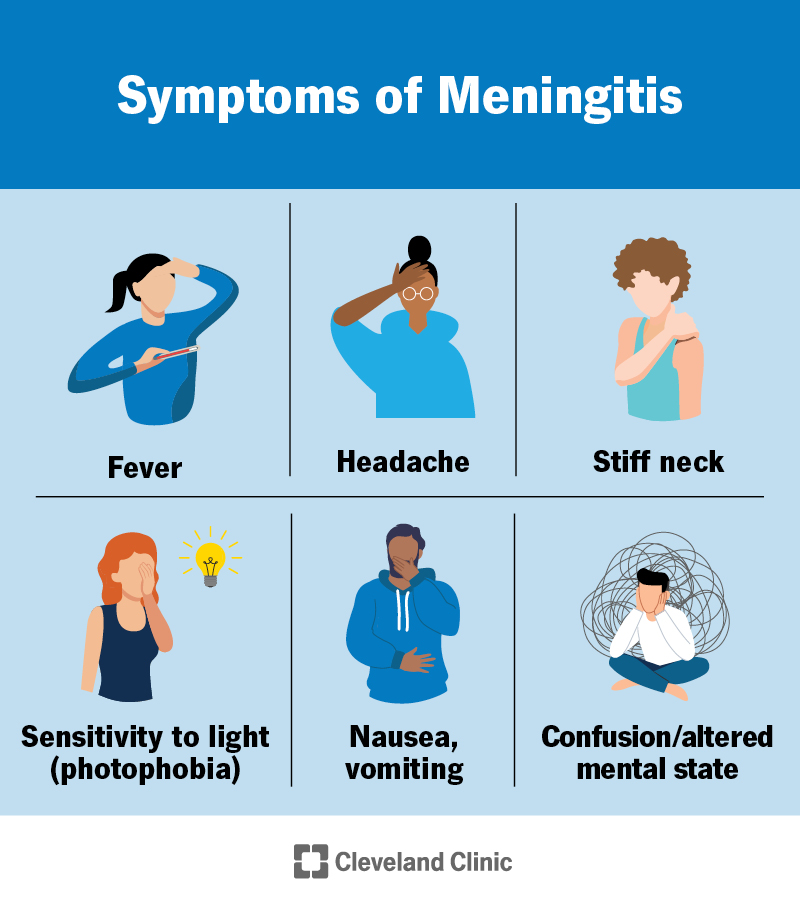
What are the hallmark symptoms?
Here are the five core clues that should set off an alarm:
- Fever of 38C (100.4F) or higher.
- Severe, persistent headache that doesnt ease with usual pain relievers.
- Neck stiffness turning your chin toward your chest feels painful.
- Light sensitivity (photophobia) often paired with nausea or vomiting.
- Changes in mental state confusion, drowsiness, or difficulty staying awake.
If you notice three or more of these together, treat it as a medical emergency.
Early Stage Symptoms
Which signs appear first?
During the early stage meningitis symptoms in adults, the bodys defense system is trying to fight off the invading pathogen. The first red flags usually look like a rough flu:
- Fever, chills, and a feeling of just not right.
- A headache that starts dull and quickly becomes throbbing.
- General fatigue, muscle aches, and joint pain.
- Upset stomach nausea, occasional vomiting, or even mild diarrhea.
These early clues are easy to dismiss, which is why paying close attention matters.
How do early symptoms differ between bacterial and viral meningitis?
Both types can start similarly, but bacterial meningitis usually ramps up faster, with a higher fever and more abrupt worsening. Viral meningitis often lingers a bit longer, and a rash is rare.
Bacterial Meningitis Signs
What extra redflags should trigger an emergency call?
When the culprit is bacteria, the body may display clear danger signs:
- A rapid, spreading rash that doesnt fade when pressed (petechial or purpuric). This is called a meningitis rash and signals meningococcal septicemia.
- Sudden confusion, seizures, or loss of consciousness.
Why is the rash a critical clue?
The rash appears because bacteria invade tiny blood vessels, causing them to leak blood under the skin. Its a visual cue that the infection is moving beyond the brains membranes and into the bloodstreaman emergency that requires immediate IV antibiotics.
Causes & Risks
What are the most common causes?
Meningitis isnt a single disease; its a group of infections triggered by different germs:
- Bacterial agents Streptococcus pneumoniae, Neisseria meningitidis, and Haemophilus influenzae are the big three in adults.
- Viral agents Enteroviruses dominate, but herpes simplex virus (HSV), West Nile virus, and others can also cause meningitis.
- Noninfectious triggers Recent head trauma, certain cancers, and autoimmune disorders can inflame the meninges without an infection.
Is meningitis contagious?
Some forms are. Viral meningitis from enteroviruses spreads through fecaloral routes, while meningococcal bacterial meningitis spreads via respiratory dropletsthink close contact, kissing, or sharing drinks. The CDC explains the contagiousness in detail, so you know when to take extra precautions.
Whos at higher risk?
Anyone can get meningitis, but certain groups are more vulnerable:
- People with weakened immune systems (e.g., HIV, chemotherapy patients).
- Those living in crowded settingscollege dorms, military barracks, or refugee camps.
- Smokers and individuals with chronic sinus or ear infections.
Types of Meningitis
Quick definitions
Understanding the types of meningitis helps you interpret symptoms:
- Bacterial Fastacting, potentially fatal if untreated.
- Viral Usually milder, often resolves on its own.
- Fungal Rare, mainly affects immunocompromised patients.
- Parasitic Extremely uncommon in most countries.
Symptom overlap and differences
| Symptom | Bacterial | Viral |
|---|---|---|
| Fever | High, sudden | Moderate, gradual |
| Headache | Severe, worsening | Often milder |
| Rash | Purpuric, nonblanching | Rare |
| Mental status | Rapid decline | Usually stable |
How Serious Is Meningitis?
Is meningitis fatal?
Mortality rates depend heavily on the type and speed of treatment. Bacterial meningitis can be fatal in 1020% of cases even with antibiotics, while untreated cases can climb above 50%. Viral meningitis rarely kills, but severe casesespecially in the elderlycan still be serious.
Possible complications after survival
Even when you pull through, the road to full recovery may have bumps:
- Hearing loss (up to 30% of bacterial cases).
- Longterm cognitive deficits or memory problems.
- Seizures and the risk of developing epilepsy.
- Hydrocephalusexcess fluid buildup that may need surgical shunting.
Diagnosis Essentials
Physical exam clues
Doctors look for classic meningeal signs:
- Kernigs sign Pain when extending the knee while the hip is flexed.
- Brudzinskis sign Involuntary lifting of the knees when the neck is flexed.
Lab tests and imaging
The gold standard is a lumbar puncture, where a tiny needle extracts cerebrospinal fluid (CSF) for analysis. CSF findings differ by type:
- Bacterial: High whitecell count, low glucose, high protein.
- Viral: Predominantly lymphocytes, normal glucose, mildly elevated protein.
If doctors suspect increased intracranial pressure, theyll order a CT or MRI before the spinal tap.
When to Seek Immediate Care
Redflag checklist for the ER
If any of these appear, call 911 or head straight to the nearest emergency department:
- Fever38C combined with a stiff neck.
- Rapidly spreading rash that doesnt blanch.
- Sudden confusion, seizures, or difficulty staying awake.
- Severe vomiting that prevents oral medication.
How to communicate your symptoms
Use the SAMPLE method (Signs, Allergies, Medications, Past illnesses, Last oral intake, Events leading up). Saying something like, I have a high fever, neck stiffness, and a purple rash that wont fade, gives paramedics a clear picture and speeds up treatment.
Treatment Overview & Recovery
Standard therapies by type
Once the diagnosis is confirmed, treatment diverges:
- Bacterial meningitis Intravenous antibiotics such as ceftriaxone or vancomycin, often combined with steroids to reduce inflammation.
- Viral meningitis Mostly supportive care (fluids, pain relievers). Antivirals like acyclovir are reserved for HSV meningitis.
- Fungal meningitis Antifungal drugs (e.g., amphotericin B) and longterm oral therapy.
Posthospital rehabilitation
Recovery isnt always immediate. Followup steps include:
- Hearing tests to detect subtle loss early.
- Physical therapy if muscle weakness lingered.
- Neurocognitive assessments to catch memory or concentration issues.
Trusted Resources & Help
Where to get reliable info
For uptodate guidelines, the Mayo Clinic offers clear, doctorreviewed explanations. If you need immediate assistance, your local emergency number or a nearby urgentcare clinic is the right call.
Support groups and advocacy
Living through meningitisor caring for someone who hascan be emotionally taxing. Organizations like the Meningitis Research Foundation and Meningitis Now provide helplines, survivor stories, and community forums where you can share experiences and find comfort.
Conclusion
Spotting the symptoms of meningitis in adults early is a lifesaver. Fever, a pounding headache, neck stiffness, light sensitivity, and sudden mental changes are the core warning signs; a nonblanching rash pushes urgency to the top of the list. Knowing why these signs appear, whos at greater risk, and how quickly treatment must begin empowers you to act decisively. Keep this quickcheck list handy, trust your instincts, and dont hesitate to call for help if the red flags surface. Your healthand the health of those you lovedeserves that level of care.