



Not medical advice — written by Ngoc Vietsmall, who is not a healthcare professional.
This article summarises publicly available medical information for general readers. It cannot account for your history, medication or symptoms, and it is not a diagnosis or a treatment plan. Any dose mentioned comes from published labelling or guidelines — only your own prescriber can decide what is right for you.
Always speak to a doctor or pharmacist before starting, stopping or changing any treatment. If symptoms are severe or getting worse, seek urgent care. Full disclaimer · How this is written
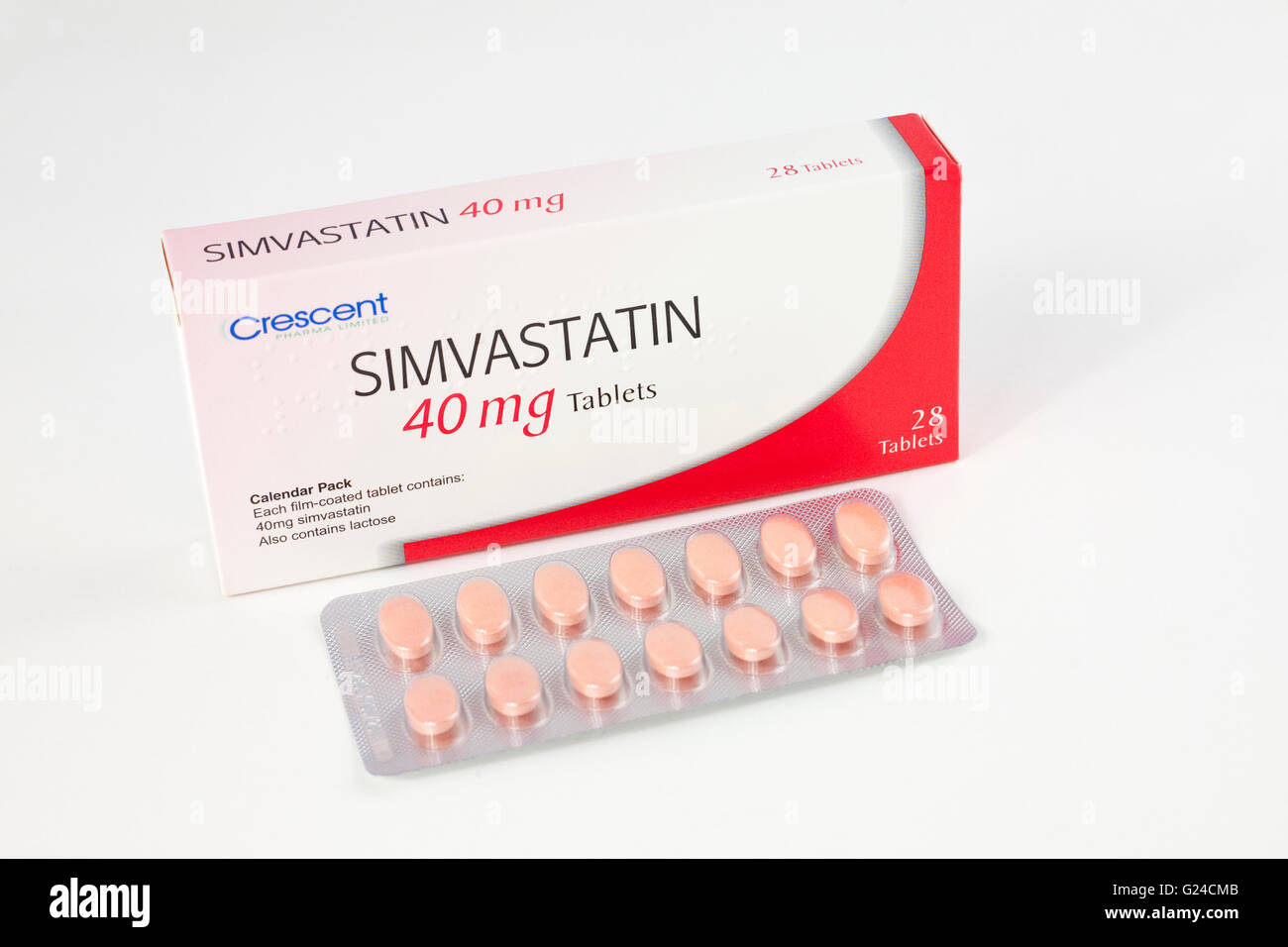
Short answer: yes—according to the approved prescribing information, for most adults a 40mg tablet is at the top of the routine dose range, and anything above it is classified as a high‑intensity dose reserved for specific situations. Understanding where 40mg falls on the scale can inform conversations with your doctor about benefits, risks, and whether a different dose might be appropriate for you. This information is for educational purposes only and does not replace professional medical advice—always follow your prescriber’s specific instructions.
Quick Fact Box
Is 40mg a high dose?
In a nutshell, 40mg is the maximum usual dose recommended by major health agencies (NHS, FDA, Mayo Clinic). It is classified as the upper limit of moderate‑intensity therapy. The only higher dose that appears in older guidelines is 80mg, which is now rarely prescribed because of safety concerns.
| Dose | Intensity | Typical Use |
|---|---|---|
| 5‑10mg | Low | First‑line, mild cholesterol elevation |
| 20‑40mg | Moderate‑high (max routine) | High LDLC, secondary prevention |
| 80mg | High‑intensity (rare) | Historical use; now off‑label |
How Dosing Works
Standard dose range
The prescribing information indicates a starting dose of 5–10 mg once daily, with evening administration recommended. If lipid levels do not respond adequately, clinicians may increase the dose, typically to 20 mg, then 40 mg, based on the patient's response. However, the actual dose and titration schedule are determined solely by the prescriber.
What the FDA says
The U.S. Food and Drug Administration lists 40mg per day as the highest approved dose for routine use. The 80mg formulation was withdrawn in 2011 after studies linked it to a higher risk of muscle injury. According to the FDA, any dose above 40mg should be reserved for very carefully monitored patients.
Moderate vs. high‑intensity statins
Within the world of cholesterol‑lowering meds, intensity refers to how much LDLC (the "bad" cholesterol) is expected to drop. Simvastatin 40mg is considered moderate‑intensity, meaning it reduces LDLC to a moderate degree. Other statins—like atorvastatin 40‑80mg—are classified as high‑intensity because they achieve a greater reduction.
Comparison of common statins
| Statin | Low Dose | Moderate Dose | High Dose |
|---|---|---|---|
| Simvastatin | 5‑10mg | 20‑40mg (max routine) | 80mg (rare) |
| Atorvastatin | 10‑20mg | 40‑80mg | |
| Rosuvastatin | 5‑10mg | 10‑20mg | 20‑40mg |
When Doctors Prescribe
Indications for 40mg
The 40mg dose is often considered for individuals who present with:
- Very high LDLC or familial hypercholesterolemia.
- A recent heart attack or stroke where lower doses have not lowered risk sufficiently.
- Persistent cholesterol elevation despite lifestyle changes and a 20mg dose.
Patient‑specific factors
Factors such as age, liver function, and concomitant medications influence dosing. For instance, older adults may remain on 40mg if liver enzymes are within normal limits, though clinicians typically recommend more frequent monitoring for muscle and liver effects.
Real‑world case vignette
A 68‑year‑old patient with stable coronary artery disease started on 20mg, but after six weeks his LDLC dropped only modestly. His cardiologist increased the dose to 40mg. Three months later his LDLC had decreased substantially and he reported no muscle aches. This example illustrates how dose adjustments may be considered when the response to a lower dose is insufficient.
Risks and Benefits
Potential benefits
The 40mg dose is associated with a meaningful reduction in LDLC, which evidence suggests is linked to a lower risk of cardiovascular events in high‑risk patients. A study published in the Journal of Clinical Lipidology found that patients on the upper‑range dose had a noticeable decrease in cardiovascular events compared with those on 20mg.
Common side‑effects
- Muscle aches or weakness (myopathy). Patients who notice unexplained soreness should inform their doctor.
- Elevated liver enzymes—regular blood tests help keep this in check.
- Digestive upset (rare).
Serious but rare events
Rhabdomyolysis—a severe breakdown of muscle tissue—is extremely uncommon, but the risk increases when simvastatin is combined with strong CYP3A4 inhibitors (such as certain antifungals or grapefruit juice). Cognitive concerns have been reported anecdotally, but evidence is mixed.
Safety checklist
- Evening administration is recommended, about an hour before bedtime.
- Grapefruit juice and strong CYP3A4 inhibitors should be avoided.
- Patients should report any persistent muscle pain, dark urine, or unexplained fatigue to their clinician.
- Liver function tests are typically scheduled before starting therapy and after any dose increase.
How to Take Correctly
Timing and food
The label advises taking simvastatin in the evening, as this aligns with the body's natural cholesterol production cycle. It may be taken with water; heavy meals are not required, but the prescriber's specific instructions should be followed.
When to switch statins
If muscle pain persists despite dose adjustments, patients should discuss alternatives such as pravastatin or rosuvastatin with their doctor. These have fewer interactions and may be better tolerated.
Monitoring schedule
| Timepoint | Test | Why |
|---|---|---|
| Baseline | Lipid panel, LFT, CK | Set starting point |
| 4‑6 weeks | Lipid panel | Check efficacy |
| 12 weeks | LFT, CK (if symptoms) | Detect toxicity |
| Ongoing | Lipid panel every 6‑12 months | Long‑term management |
Common Questions
What is the maximum dose for simvastatin?
The routine maximum according to labeling is 40mg per day. The 80mg formulation exists but is rarely used because of higher safety concerns.
When should I take simvastatin 40mg?
The label recommends evening administration, preferably an hour before bedtime, but patients should follow their prescriber's specific instructions.
Is 20mg of simvastatin a low dose?
It is considered a low‑to‑moderate dose. Many patients start at 10mg and move up to 20mg before considering 40mg.
What is simvastatin 40mg used for?
Lowering high LDLC, reducing cardiovascular risk in high‑risk individuals, and managing familial hypercholesterolemia when lower doses are not sufficient.
How does the dose change in the elderly?
Older adults may remain on 40mg if their liver function is normal, but clinicians often monitor them more closely for muscle and liver side‑effects.
Is simvastatin 40mg the same as simvastatin 80mg?
No. The 80mg dose carries a greater risk of muscle injury and is generally avoided unless a specialist deems it absolutely necessary.
Can I split a 40mg tablet?
Splitting is not recommended because tablets are formulated for the intended dose; patients should consult their pharmacist or prescriber before altering the tablet.
Bottom Line Takeaways
The prescribing information identifies 40mg as the highest routine dose of simvastatin, placing it at the high‑moderate end of the intensity spectrum. It is prescribed when lower doses have not achieved cholesterol goals or when a patient's risk profile calls for a stronger approach. The upside is a meaningful LDLC reduction and evidence‑supported cardiovascular risk reduction; the downside is a higher likelihood of muscle aches and liver enzyme changes, which is why regular monitoring matters.
Patients should consult their healthcare provider to review their lipid levels, discuss other medications, and agree on a monitoring plan before initiating or continuing any dose. With the right partnership, heart health can be managed effectively and safely.
If you have questions about your own situation, speak with your clinician—they are the best source of personalized advice.








