Not medical advice — written by Ngoc Vietsmall, who is not a healthcare professional.
This article summarises publicly available medical information for general readers. It cannot account for your history, medication or symptoms, and it is not a diagnosis or a treatment plan. Any dose mentioned comes from published labelling or guidelines — only your own prescriber can decide what is right for you.
Always speak to a doctor or pharmacist before starting, stopping or changing any treatment. If symptoms are severe or getting worse, seek urgent care. Full disclaimer · How this is written
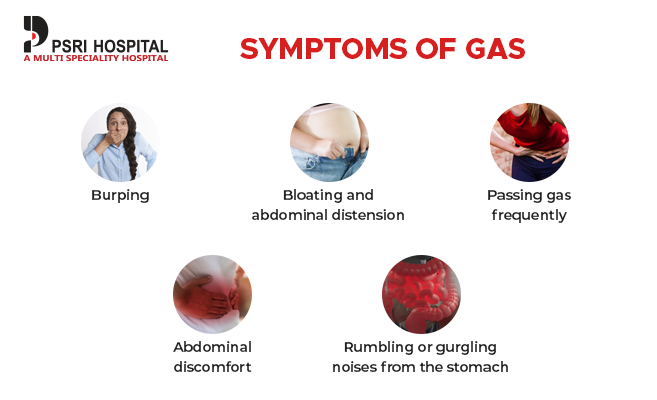
Ever felt that uncomfortable rumble in your belly and wondered why it seems to happen more often to you than to the guys around you? The short answer is a mix of what you eat, how you live, and sometimes hidden health issues. Below, well break down the main triggers, give you instant relief tips, and show you when its time to see a professional all in a friendly, letstalkovercoffee style.
Quick Answers
What actually causes excess gas in men? Swallowed air, fermentable carbs, and a few medical conditions are the usual suspects. Think soda, chewing gum, beans, and sometimes a sensitive gut.
How can I get rid of it right now? Simple posture changes, a short walk, and sipping warm water with a splash of lemon can move the gas along fast. If you need an extra push, overthecounter simethicone works for many.
Everyday Habits
We all have little routines that can sneak extra air into our system. Drinking through a straw, talking while chewing, or gulping down a carbonated drink adds invisible bubbles that later become that unwelcome belch or bloated feeling.
Chewing gum might seem harmless, but each chew introduces air and often sugarfree sweeteners that ferment in the gut. If youre a fan of soda or beer, remember that every fizzy sip adds carbon dioxide that your intestine has to break down.
Diet Triggers
Certain foods are notorious for creating gas because they contain high amounts of fermentable carbohydrates, known as FODMAPs. Here are the usual culprits:
- Beans, lentils, and chickpeas
- Onions, garlic, and cruciferous veggies like broccoli and cauliflower
- Wheat products and certain fruits (apples, pears)
- Artificial sweeteners such as sorbitol and mannitol
Men often add protein powders or whey supplements to their shakes. If these contain lactose or added fibers, they can turn your stomach into a bubbling cauldron. Switching to a lactosefree protein or a plantbased option can make a huge difference.
Medical Reasons
When lifestyle and diet dont fully explain the problem, a medical condition might be at play. Common issues include:
- Irritable Bowel Syndrome (IBS) Stress, certain foods, and gut hypersensitivity can cause chronic gas.
- Small Intestinal Bacterial Overgrowth (SIBO) Too many bacteria ferment carbs too early, leading to bloating.
- Lactose intolerance The body cant break down lactose, so dairy becomes a gasproducing fuel.
- Celiac disease Gluten triggers inflammation and gas.
Most of these are not dangerous, but the Mayo Clinic notes that persistent symptoms deserve a medical lookup, especially if you notice blood in stool, unexplained weight loss, or severe pain.
Can excessive gas be a sign of something serious? In rare cases, chronic bloating can accompany colorectal cancer or other malignancies. Redflag signs include sudden weight loss, nighttime gas that wakes you up, and a change in bowel habits. If any of these appear, its wise to schedule a visit with your doctor.
Male vs. Female Gas
While both men and women experience gas, hormonal differences can affect motility in females, especially during pregnancy or menstruation. Men typically notice fewer hormonal swings, so lifestyle and diet often play a larger role. Understanding these nuances can help you compare causes of excessive gas in females with your own situation.
When to See a Doctor
Here are the warning signs that suggest its time for professional advice:
- Gas that lasts more than two weeks without improvement
- Severe abdominal pain or cramping
- Unexplained weight loss or anemia
- Blood or mucus in the stool
Doctors may order a breath test for SIBO, stool studies, or even a colonoscopy if they suspect something more serious. Keeping a foodsymptom diary ahead of the appointment can make the evaluation smoother and faster.
Instant Relief Tips
Need relief right this minute? Try these quick tricks:
- Clockwise abdominal massage Lie on your back, place your hands a few inches below the rib cage, and massage in a gentle circular motion.
- Gentle movement A short 5minute walk helps move gas through the intestines.
- Warm liquids A cup of ginger tea or warm lemon water can soothe the gut.
- Overthecounter aid Simethicone (found in products like Gas-X) breaks up gas bubbles.
These methods target the how to remove gas from stomach instantly question and can be combined for better results.
LongTerm Strategies
For lasting comfort, consider a lowFODMAP trial. Over four weeks, you eliminate highFODMAP foods, then slowly reintroduce them one at a time to see which cause the most trouble. Many men find that cutting back on onions, garlic, and certain beans reduces bloating dramatically.
Probiotics can also help restore a healthy gut balance. Strains like Bifidobacterium and Lactobacillus have shown promise in reducing gas production. Pair them with digestive enzymes if you love beans or cruciferous vegetables but cant say goodbye to them entirely.
Stress management is an underrated player. Simple breathing exercises, yoga, or a quick meditation before meals can calm the nervous system, which in turn keeps the gut moving smoothly.
Preventive Checklist
| What to Do | Why It Helps |
|---|---|
| Eat slowly, chew thoroughly | Reduces swallowed air and improves digestion |
| Limit carbonated drinks | Fewer bubbles = less gas |
| Keep a food diary | Identifies personal triggers |
| Stay active daily | Promotes regular bowel movement |
| Consider lowFODMAP diet | Targets fermentable carbs that cause gas |
Using this checklist regularly can keep bad gas symptoms at bay and give you more confidence in social situations.
Conclusion
To sum it up, excessive gas in males usually stems from three sources: everyday habits that let air in, diet choices that feed gut bacteria, and occasionally, underlying medical issues that need professional attention. By tweaking simple routines, choosing gasfriendly foods, and knowing when to seek help, you can reclaim comfort and enjoy life without the constant whoosh of unwanted bubbles. If you found these tips useful, try our free 7day lowFODMAP meal planner or share a personal hack thats helped you beat the bloat. Together, well keep the air where it belongs out of our stomachs and into the conversation.