Not medical advice — written by Ngoc Vietsmall, who is not a healthcare professional.
This article summarises publicly available medical information for general readers. It cannot account for your history, medication or symptoms, and it is not a diagnosis or a treatment plan. Any dose mentioned comes from published labelling or guidelines — only your own prescriber can decide what is right for you.
Always speak to a doctor or pharmacist before starting, stopping or changing any treatment. If symptoms are severe or getting worse, seek urgent care. Full disclaimer · How this is written
Most people don’t realize that you don’t have to live with a constantly greasy forehead or a clogged‑pore nightmare. A board‑certified dermatologist’s routine—cleanser, BHA, niacinamide + retinol, plus a light moisturizer and sunscreen—can dial down the shine, keep breakouts at bay, and actually let your skin breathe.
If you’re curious about why your skin feels oily, how to tame it without harsh chemicals, and what you can safely do at home, you’re in the right spot. Grab a cup of tea, settle in, and let’s walk through everything you need to know—no fluff, just friendly, dermatologist‑backed advice.
Quick Summary
What a dermatologist recommends
1⃣ Start with a gentle foaming cleanser that removes excess sebum without stripping.
2⃣ Use a salicylic‑acid (BHA) exfoliant 2‑3 times a week to unclog pores.
3⃣ Add niacinamide in the morning for oil regulation and retinol in the evening for cell turnover.
4⃣ Finish with an oil‑free, non‑comedogenic moisturizer and SPF 30+ every day.
Why this works
The combination balances your skin’s natural oil production, reduces inflammation, and prevents the buildup that leads to pimples. It’s a simple, sustainable routine—no miracle “overnight” fixes, just consistent care that a dermatologist would prescribe.
Understanding Oily Skin
What causes oily skin in females?
Hormonal shifts—especially fluctuations in estrogen and progesterone during the menstrual cycle—can signal the sebaceous glands to produce more oil. Genetics also play a role; if your mom or grandma had a glossy complexion, you might inherit the same trait. Diet, stress, and even certain skincare products (think heavy creams) can tip the balance, too.
What causes oily skin in males?
Testosterone drives larger sebaceous glands, which is why many men notice a greasier T‑zone after puberty. Lifestyle factors such as frequent gym sessions, outdoor work, or a diet rich in refined carbs can exacerbate the shine. The good news? The core dermatologist steps work just as well for men as they do for women.
Common myths busted
Myth: “Moisturizer makes skin oilier.”
That’s a classic misconception. When you skip moisturizer, your skin thinks it’s dry and cranks up sebum production to compensate. A lightweight, oil‑free moisturizer actually tells your skin, “Hey, I’ve got the hydration you need—no need to overproduce oil.”
Myth: “You can wash away oil forever.”
Over‑cleansing strips the skin’s protective barrier, leading to rebound oiliness. The key is gentle cleansing, not aggressive scrubbing.
Core Treatment Steps
Step 1: Cleanse the right way
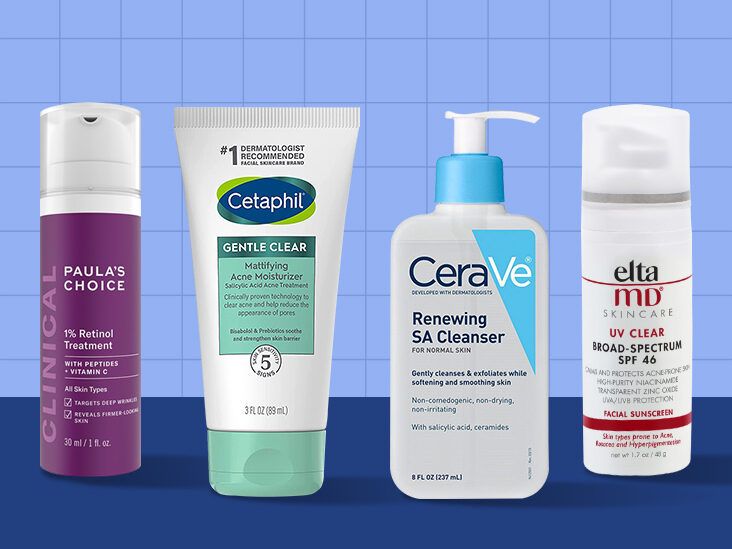
Choose a foaming cleanser that’s sulfate‑free and labeled “non‑comedogenic.” Look for ingredients like glycerin or hyaluronic acid that hydrate while they cleanse. My go‑to? CeraVe Foaming Facial Cleanser—it lathers nicely, rinses clean, and never feels “tight.”
Step 2: Exfoliate with BHA
Salicylic acid is oil‑soluble, meaning it dives right into the pore to dissolve excess sebum and dead skin cells. Start with a 2 % BHA product applied after cleansing, 2–3 times a week. If your skin tolerates it, you can gently increase to every other day. A recent study in the Journal of Dermatology showed a 45 % reduction in oily‑zone shine after four weeks of consistent BHA use.
Step 3: Targeted actives ‑ Niacinamide & Retinol
Niacinamide (vitamin B3) is a multitasker. It shrinks enlarged pores, curbs sebum production, and soothes inflammation—all without irritation. Apply a 5 % niacinamide serum in the morning, let it absorb, then follow with sunscreen.
Retinol (or its prescription cousins tretinoin and tazarotene) accelerates cell turnover, preventing clogged pores. Start with a low‑strength retinol (0.25 %) a few nights a week, building up to nightly use as tolerated. Remember: retinol can make skin sensitive, so sunscreen is non‑negotiable.
Step 4: Moisturize – don’t skip it!
Think of moisturizer as the “peace treaty” with your skin. Choose something labeled “oil‑free” or “gel‑cream.” Neutrogena Hydro Boost Water Gel is a favorite—it feels like drinking water, not a heavy cream.
Step 5: Sun protection
UV rays worsen post‑inflammatory hyperpigmentation, especially after retinol use. A mineral SPF 30+ (zinc oxide or titanium dioxide) shields without clogging pores. Reapply every two hours if you’re outdoors.
Optional add‑ons for stubborn shine
- Clay masks (bentonite or kaolin) once a week to absorb excess oil.
- Paper‑strip blotting during the day for a quick “no‑shine” touch‑up.
Home Remedies
How to remove oily skin naturally
If you love a DIY vibe, try a green‑tea‑infused toner. Brew two tea bags, let it cool, add a splash of witch‑hazel, and spritz after cleansing. Green tea’s polyphenols help regulate sebum, while witch hazel offers a mild astringent effect.
Home remedies for oily skin and pimples
DIY “oil‑absorbing” mask
Mix 1 tbsp bentonite clay with 1 tsp apple‑cider vinegar and a few drops of tea‑tree oil. Apply for 10‑15 minutes, then rinse. The clay pulls out excess oil; the vinegar restores pH, and tea‑tree adds antibacterial power.
Overnight “no‑oil” routine
After your night cleanser, pat a thin layer of aloe vera gel (pure, no added fragrance). Aloe hydrates without oil and can calm any redness.
What works (and what doesn’t)
Most “miracle” products promising “permanent oil removal” aren’t backed by science. Real results come from consistent, evidence‑based steps. The same Healthline review noted that only BHA, niacinamide, and retinol consistently reduced oiliness in clinical trials.
Lifestyle Tips
How to stop oily face during the day
Carry a small pack of oil‑absorbing blotting papers. Gently press—not rub—to lift excess surface oil without disturbing makeup. If you need a quick matte finish, a translucent powder (look for rice‑starch based) works wonders.
How to remove oil from face permanently? (Realistic expectations)
“Permanent” is a stretch. Sebum is essential for skin health; the goal is balance, not elimination. By sticking to the dermatologist routine and adjusting lifestyle habits, you can keep shine under control for the long term.
Benefits of oily skin
Did you know oily skin actually offers built‑in UV protection and tends to age slower? The natural lipids act like a barrier, keeping fine lines at bay. So, while we’re working to manage excess shine, we can also appreciate the protective perks.
Quick‑Fix FAQ table
| Question | Short Answer |
|---|---|
| Why is my skin so oily all of a sudden? | Hormonal shifts, stress, humidity, or using the wrong products. |
| How often should I use BHA? | 2–3 × /week, unless your skin is very tolerant. |
| Can I skip moisturizer? | No—skipping it makes sebum production worse. |
| Is there a “permanent” cure? | No, but consistent care keeps shine manageable. |
When to See a Dermatologist
Signs you need professional help
If you’ve tried the steps above for a month and still battle persistent, inflamed acne, or sudden spikes in oiliness, it’s time for a dermatologist visit. They can assess hormone levels, prescribe stronger retinoids, or suggest oral medications like isotretinoin for severe cases.
What to expect at the appointment
You’ll get a detailed skin analysis, possibly a patch test, and a discussion about lifestyle factors. Many dermatologists will recommend a prescription‑strength retinoid or a combination therapy (e.g., azelaic acid + niacinamide) tailored to your skin type.
7‑Day Sample Routine
| Day | Morning | Evening |
|---|---|---|
| Mon | Foam Cleanser → Niacinamide Serum → SPF 30+ | Foam Cleanser → Retinol (0.25 %) → Moisturizer |
| Tue | Foam Cleanser → BHA (2 %) → SPF 30+ | Foam Cleanser → Niacinamide → Moisturizer |
| Wed | Foam Cleanser → Niacinamide → SPF 30+ | Foam Cleanser → Retinol → Moisturizer |
| Thu | Foam Cleanser → BHA (if tolerated) → SPF 30+ | Foam Cleanser → Niacinamide → Moisturizer |
| Fri | Foam Cleanser → Niacinamide → SPF 30+ | Foam Cleanser → Retinol → Moisturizer |
| Sat | Foam Cleanser → Clay Mask (10 min) → SPF 30+ | Foam Cleanser → Niacinamide → Moisturizer |
| Sun | Foam Cleanser → Niacinamide → SPF 30+ | Foam Cleanser → Retinol → Moisturizer |
Print this table, stick it on your fridge, and follow the plan for a week. You’ll start noticing less midday shine and fewer blemishes within a few days.
Conclusion
The secret to mastering oily skin isn’t a magic potion—it’s a dermatologist‑approved routine that balances, soothes, and protects. By cleansing gently, exfoliating with BHA, using niacinamide and retinol, moisturizing wisely, and never skipping sunscreen, you give your skin the tools it needs to regulate oil naturally. Remember, oily skin also brings benefits like built‑in UV shielding, so embrace the positive side while you manage the shine.
Give the 7‑day plan a try, tweak it to fit your lifestyle, and share your progress in the comments below. Got questions or a favorite home remedy that’s actually worked for you? Let’s chat—you’re not alone on this journey, and together we’ll keep that glow healthy, not greasy.