Not medical advice — written by Ngoc Vietsmall, who is not a healthcare professional.
This article summarises publicly available medical information for general readers. It cannot account for your history, medication or symptoms, and it is not a diagnosis or a treatment plan. Any dose mentioned comes from published labelling or guidelines — only your own prescriber can decide what is right for you.
Always speak to a doctor or pharmacist before starting, stopping or changing any treatment. If symptoms are severe or getting worse, seek urgent care. Full disclaimer · How this is written
Looking for a dietary approach that may support weight management with PCOS? You've landed in the right spot. Below you'll find a step-by-step plan that blends Mediterranean-style meals, thoughtful supplement considerations, and practical movement tips—all wrapped up in a friendly, no-fluff style. Ready to explore a path that may help you feel lighter, clearer-skinned, and more energetic? Let's dive in.
What Is PCOS?
Polycystic Ovary Syndrome (PCOS) is a condition that involves hormonal imbalances. For those who experience it, symptoms can include insulin resistance, inflammation, and elevated androgen levels, which may contribute to weight gain (especially around the waist), mood changes, and skin breakouts.
Think of PCOS as a traffic jam in the body's metabolic highway. The roadblocks (insulin spikes, inflammation) slow everything down, so we need a detour that clears the way. That's where a thoughtful dietary approach comes in.
Why Diet Matters
While medication can help, the biggest lever you control is your plate. Research from Johns Hopkins Medicine shows that dietary changes can improve insulin resistance and menstrual regularity for many women. In short, food is not just fuel—it is a powerful tool.
But not just any diet works. The one-size-fits-all approach often leaves us feeling hungry, bored, or worse, triggering cravings that sabotage progress. The secret is a plan that is balanced, sustainable, and flavorful. Below we break down the pillars of that plan.
Core Diet Principles
| Principle | Why It Works | Practical Tip |
|---|---|---|
| Mediterranean Foundations | Rich in monounsaturated fats and antioxidants, it fights inflammation. | Swap butter for extra-virgin olive oil in dressings. |
| Low-Glycemic Choices | Stabilizes blood sugar and lowers insulin spikes. | Choose quinoa, oats, and sweet potatoes over white rice. |
| Lean Protein Every 3-4h | Preserves muscle, keeps you full. | General guidelines often suggest 20-30g per meal—think eggs, fish, or legumes. Your own needs may vary. |
| Healthy Omega-3 Fats | Supports hormone balance and may help with menstrual discomfort. | Some approaches include two servings of fatty fish or a tablespoon of chia seeds daily—but always check with your own healthcare provider for personalized advice. |
| Portion Timing | Some find that carbohydrate tolerance varies throughout the day. | You might try making lunch your biggest meal and keeping dinner lighter, adjusting to what feels right for you. |
Mediterranean Foundations
The Mediterranean diet is not just a fad; it is a research-backed lifestyle that consistently ranks among the healthiest eating patterns. Think colorful plates of leafy greens, juicy tomatoes, olives, nuts, fish, and whole grains. It is low in saturated fat, high in fiber, and packed with phytochemicals that calm inflammation.
If you love pizza, swap the regular crust for a cauliflower base, top it with cherry tomatoes, feta, and a drizzle of olive oil. You still get that comforting feel without the insulin-spiking refined flour.
Sample Macro Split
A balanced macro distribution often suggested for PCOS looks something like 40% carbs, 30% protein, 30% healthy fats. This approach may help keep energy steady, curb cravings, and support lean muscle—but individual needs differ, so use this only as a general reference.
Low-Glycemic Choices
High-glycemic foods (white bread, sugary drinks) can cause rapid blood-sugar spikes, prompting the pancreas to release a flood of insulin. Over time that can drive insulin resistance, a hallmark of PCOS. The solution? Choose low-glycemic, fiber-rich carbohydrates that release glucose slowly.
Examples include:
- Steel-cut oats
- Barley
- Legumes (lentils, chickpeas)
- Berries (blueberries, strawberries)
- Apples with skin
Fiber-Rich Foods
Fiber not only slows glucose absorption, it also feeds the good gut bacteria that influence hormone balance. Many guidelines suggest aiming for at least 25-30g of fiber a day. A quick trick: add a tablespoon of ground flaxseed to your morning smoothie—extra omega-3s plus fiber in one spoonful.
7-Day Starter Plan
Getting started can feel overwhelming, so this guide puts together a 7-day PCOS diet plan PDF that you can download, print, and follow without hunting for recipes.
Day-by-Day Menu
Day 1
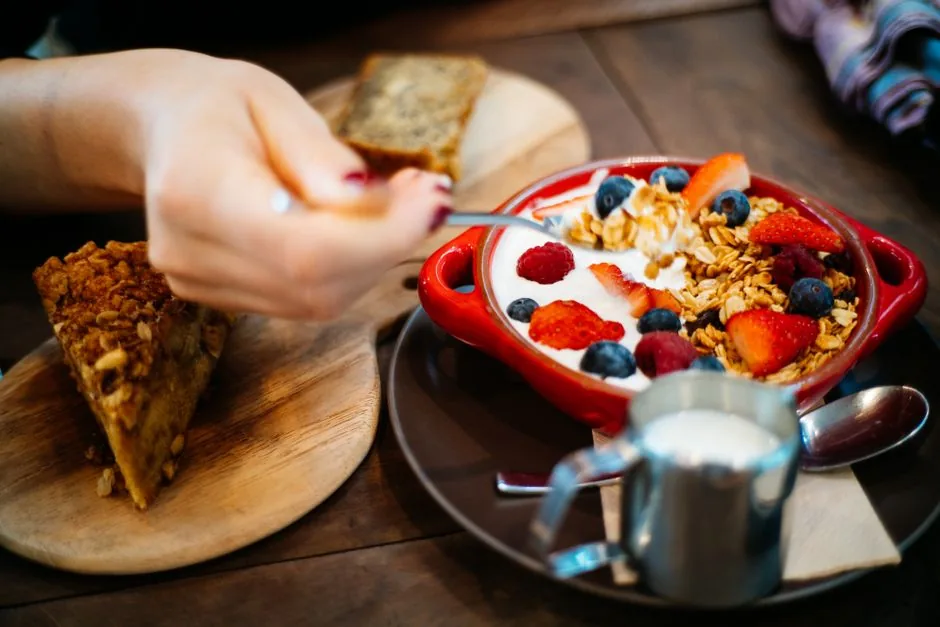
- Breakfast: Greek yogurt with mixed berries, a sprinkle of chia seeds, and a drizzle of honey.
- Snack: Handful of almonds.
- Lunch: Quinoa salad with chickpeas, cucumber, tomatoes, feta, and olive-oil lemon dressing.
- Snack: Sliced apple with peanut butter.
- Dinner: Grilled salmon, roasted broccoli, and sweet-potato wedges.
Day 2 follows a similar pattern, swapping salmon for grilled chicken and sweet-potato for brown rice. Continue rotating proteins (tilapia, turkey, eggs) and veggies (spinach, bell peppers, zucchini) to keep things interesting.
Each day in this sample plan outlines roughly under 1,600 calories, but portion sizes should be adjusted based on your personal needs and preferences. The key is consistency, not perfection.
Printable Grocery List
Copy, paste, and check off these staples before you head to the store:
- Extra-virgin olive oil
- Greek yogurt (plain)
- Mixed berries (fresh or frozen)
- Chickpeas (canned or dry)
- Quinoa
- Salmon fillets
- Leafy greens (spinach, kale)
- Whole-grain bread or wraps
- Almonds, walnuts
- Fresh fruit (apples, oranges)
- Seasonal vegetables
- Flaxseed & chia seeds
One-Month Blueprint
If you are hungry for longer-term results, the PCOS weight loss in 1 month diet plan adds structure and progressive tweaks to keep the momentum going.
Weekly Themes
- Week 1 — Mediterranean Kick-Start: Focus on olive oil, fish, and whole grains.
- Week 2 — Low-Carb Refine: Cut refined carbs, increase non-starchy veg.
- Week 3 — Protein Power: Boost lean protein to about 30% of calories.
- Week 4 — Balance & Sustain: Mix the best of the previous weeks, fine-tune portions.
Progress Tracker
Use a simple table to log weight, waist circumference, and a quick energy & mood rating each week. Seeing tangible progress fuels motivation.
| Week | Weight (lb) | Waist (in) | Energy Score (1-10) |
|---|---|---|---|
| 1 | |||
| 2 | |||
| 3 | |||
| 4 |
Supplements That Help
Food is the foundation, but targeted supplements can give you a friendly nudge in the right direction. Below are some of the supplements for PCOS weight loss that have been studied.
Inositol & More
Inositol (myo-inositol and D-chiro-inositol) is a compound that may help cells respond better to glucose. Some supplement labels suggest a combined daily amount of 2g of myo-inositol and 600mg of D-chiro-inositol, but the appropriate dose and timing are determined by a healthcare provider—never start this without professional guidance.
Other supportive nutrients that some guidelines mention:
- Vitamin D (often suggested around 800-1,000 IU per day, but only a prescriber can decide what is right for you).
- Omega-3 fish oil (some formulations provide 1g EPA/DHA, but your own needs depend on your health status).
- Probiotic blends (Lactobacillus, Bifidobacterium) to support gut health.
Safety Tips
Never start a supplement regimen without checking with your healthcare provider, especially if you are on medication. Remember, a balanced diet and lifestyle are the cornerstones; supplements are just allies, not replacements.
Foods to Avoid
Knowing what to skip is just as important as knowing what to eat. The PCOS food list to avoid includes items that may fuel inflammation and insulin spikes.
PCOS Food List
- Refined sugars (candies, soda, sweetened yogurts)
- White flour products (bagels, pastries, white bread)
- Processed meats (bacon, sausages)
- High-sodium packaged snacks
- Trans fats (margarine, many fried foods)
- Excessive dairy (if you are lactose intolerant)
Swap Ideas
Craving a sweet treat? Try frozen grapes or a small square of dark chocolate (70%+ cacao). Need a crunchy snack? Opt for roasted chickpeas or sea-salted edamame instead of chips.
Exercise & Lifestyle
Diet alone cannot fully address PCOS; a bit of movement makes the magic happen. Let's explore the PCOS weight loss diet and exercise combo that feels doable.
Movement Matters
Studies from Mass General Brigham show that just 150 minutes of moderate cardio per week can improve insulin sensitivity. Pair that with two strength-training sessions, and you will protect muscle mass while supporting fat loss.
Sample Weekly Routine
- Monday: 30-minute brisk walk + 15-minute bodyweight circuit (squats, lunges, pushups).
- Tuesday: Yoga or Pilates (focus on core).
- Wednesday: Interval training — 1 min jog, 1 min fast walk, repeat 10.
- Thursday: Rest or gentle stretching.
- Friday: Dance-aerobics video (fun and calorie-burning).
- Saturday: Hiking or bike ride (45 min).
- Sunday: Light swim or restorative yoga.
Listen to your body. If a day feels tough, swap high-impact for a gentle walk. Consistency beats intensity for long-term success.
Building Trust & Credibility
When it comes to health, you deserve information you can rely on. Here is how this guide is kept trustworthy:
- Evidence-based: All recommendations are anchored in peer-reviewed studies and reputable medical institutions.
- Balanced view: We discuss both benefits and potential downsides (e.g., very low-carb diets might affect menstrual regularity for some).
- Real stories: Throughout the plan you will find anecdotes from women who have walked this path—because lived experience matters.
- Transparency: Any suggested supplement is accompanied by general dosage ranges and safety notes, but only your own healthcare provider can give you specific advice.
Conclusion
Finding the best diet for PCOS weight loss is not about chasing quick fixes; it is about creating a sustainable lifestyle that respects your body's unique chemistry. By embracing Mediterranean foods, low-glycemic carbs, strategic protein timing, and a sprinkle of the right supplements, you may help calm insulin spikes, reduce inflammation, and gently support weight management.
Start with the 7-day starter plan, experiment with the one-month blueprint, and keep moving in ways that feel enjoyable. Remember, every small choice adds up—so choose the foods you love, celebrate progress, and be kind to yourself on the journey.
If you have tried any of these tips or have questions about tailoring the plan to your own needs, always consult a qualified healthcare professional for personalized guidance. Let's keep the conversation going and support each other on the road to healthier, happier living.