



Not medical advice — written by Ngoc Vietsmall, who is not a healthcare professional.
This article summarises publicly available medical information for general readers. It cannot account for your history, medication or symptoms, and it is not a diagnosis or a treatment plan. Any dose mentioned comes from published labelling or guidelines — only your own prescriber can decide what is right for you.
Always speak to a doctor or pharmacist before starting, stopping or changing any treatment. If symptoms are severe or getting worse, seek urgent care. Full disclaimer · How this is written
Hey there. If youve just heard that cancer has spread to your adrenal glands, the first thing on your mind is probably, What can we actually do about it? The short answer is: we start by tackling the primary tumor with chemotherapy, targeted therapy, or radiation, and then we look at local ways to address the adrenal lesionsurgery, stereotactic radiation, or ablationif its the only spot thats acting up.
Below well walk through every realistic treatment path, the pros and cons youll face, and how doctors decide whats best for you. No fluffjust the practical info you need to talk confidently with your oncology team.
Understanding the Spread
Most common cancers that reach the adrenal gland
When it comes to most common metastasis to adrenal gland, lung cancer tops the list, accounting for roughly onethird of cases. Breast cancer, melanoma, renal cell carcinoma, and gastrointestinal tumors follow closely. Knowing the origin helps shape the treatment plan because each primary cancer has its own playbook of systemic drugs.
Typical adrenal metastasis symptoms
Adrenal glands are tiny but mightyhidden above your kidneys, they pump out hormones that keep you upright. When cancer lands there, you might notice vague signs: dull flank pain, unexplained weight loss, or newonset high blood pressure. Hormonal excess (like too much cortisol) is rare, but if you feel jittery or notice easy bruising, its worth a check. In short, adrenal metastasis symptoms often masquerade as everyday aches, which is why imaging is key.
Prognosis basics
In the grand scheme, adrenal metastasis prognosis depends heavily on the primary cancers behavior and how widespread the disease is. Without systemic control, median survival hovers around 612months. However, if the adrenal spot is truly isolated and you can surgically remove it, some series report up to 24months of life expectancyor even longerespecially for slowgrowing primaries like breast cancer. Its a balancing act between aggressiveness and quality of life.
Imaging the enemy: CT and radiology
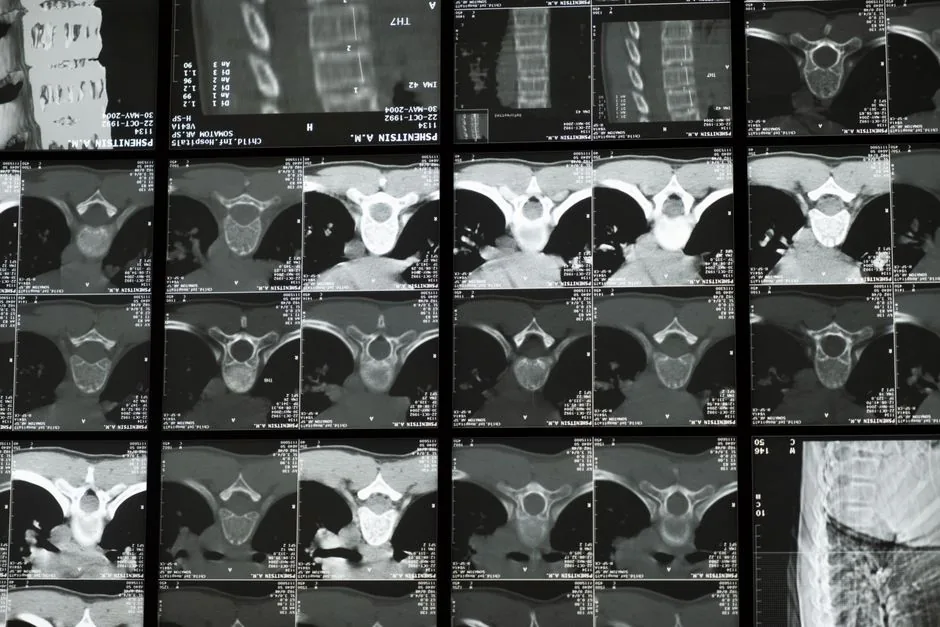
When doctors suspect adrenal involvement, the first stop is a contrastenhanced adrenal metastasis CT scan. Typical findings are a welldefined, enhancing mass that may be bilateral. MRI can help differentiate benign adenomas from malignant lesions, while PETCT adds a metabolic layerbright spots often confirm active disease. Radiologists also look for signs of invasion into nearby structures; thats where adrenal metastasis radiology expertise shines.
Systemic Therapy Options
Targeted and immunotherapy for lung cancer
For nonsmall cell lung cancer (NSCLC) that spreads to the adrenal glands, the current gold standard combines platinumbased chemotherapy with PD1/PDL1 checkpoint inhibitors. Studies show this combo can shrink adrenal lesions in up to 30% of patients, buying time for local therapies. If your tumor has an EGFR or ALK mutation, oral tyrosinekinase inhibitors become the frontline heroes.
Hormonedriven cancers and systemic control
Breast cancer thats HER2positive or hormonereceptorpositive often responds well to trastuzumab or endocrine therapy respectively. In those cases, systemic treatment frequently leads to partial or complete regression of adrenal deposits, which may make surgery unnecessary.
When radiation beats chemo
If your primary tumor is causing pain or is in a location thats hard to operate on, radiation can be a palliative lifeline. It also helps control disease in the adrenal gland when systemic therapy isnt enough. Wholebody stereotactic radiation (sometimes called SBRT) can deliver high doses in few sessions, minimizing side effects.
Systemic therapy guiding local decisions
Heres a rule of thumb: if your systemic drugs are shrinking the adrenal lesion and you have good performance status, doctors may hold off on surgery and keep a watchandwait stance. Conversely, if systemic control stalls, a localized approach becomes more attractive. This dance between systemic and local treatment is why a multidisciplinary tumor board is essential.
Surgical Treatment Paths
Is surgery the only curative chance?
When the adrenal gland is the sole site of metastasis, surgical removalcalled adrenalectomyoffers the most tangible chance of prolonged survival. A metaanalysis of over 1,200 patients found a 5year overall survival of roughly 30% after complete resection, compared with a median of 9months for nonoperative management.
Open vs. laparoscopic vs. robotic
Traditional open adrenalectomy provides the widest exposure, but it comes with longer hospital stays and more pain. Laparoscopic adrenalectomy, now the workhorse in highvolume centers, reduces blood loss and shortens recoverymost patients are home in 23 days. The newest kid on the block, robotic adrenalectomy, adds dexterity for challenging tumors near major vessels, though the cost is higher and the survival benefit is still under investigation.
Eligibility checklist
- Is the adrenal lesion solitary?
- Has there been a diseasefree interval of at least six months?
- Do you have adequate cardiopulmonary reserve (e.g.,able to climb a flight of stairs without stopping)?
- Are there no uncontrolled metastases elsewhere?
If you tick most of those boxes, your surgeon will likely consider you a candidate.
Potential risks and postoperative life
Like any operation, adrenalectomy carries risksbleeding, infection, injury to the kidney or pancreas, and, rarely, adrenal insufficiency that requires lifelong steroids. Most patients regain normal hormone levels if at least one adrenal gland remains functional, but your endocrinologist will monitor you closely.
NonSurgical Alternatives
Stereotactic Ablative Body Radiotherapy (SABR)
SABR, sometimes called stereotactic radiosurgery, delivers focused, highdose radiation in 15 sessions. For adrenal metastases smaller than 5cm, local control rates exceed 80% in recent series (NCCN guidelines). The upside? No incision, minimal downtime, and a lower risk of hormonal disruption.
Radiofrequency and microwave ablation
If youre not a surgical candidate but have a lesion under 3cm, percutaneous ablation can heat and destroy tumor cells. Its performed under CT guidance, takes about an hour, and youre usually back to light activity within a day. Complicationslike injury to nearby organsare rare but possible.
Embolization and chemoembolization
Adrenal glands are richly supplied with blood. In certain hypervascular tumors (like renal cell carcinoma), radiologists can block the feeding arteries, starving the tumor of nutrients. Adding chemotherapy to the embolic material (chemoembolization) can boost the effect, though data are still emerging.
How nonsurgical options stack up
| Approach | Local Control (12mo) | Median Survival (mo) | Typical Recovery |
|---|---|---|---|
| Surgery (laparoscopic) | 85% | 1824 | 23days hospital |
| SABR | 80% | 1520 | Outpatient, 1day |
| Ablation | 70% | 1216 | Sameday discharge |
Numbers vary by primary cancer, but the table gives a quick snapshot of what you might expect.
DecisionMaking Framework
Who should sit at the table?
A true multidisciplinary tumor board includes a medical oncologist, surgical oncologist, radiation oncologist, interventional radiologist, and an endocrinologist. Each brings a piece of the puzzlesystemic drug choices, surgical feasibility, radiation dosing, and hormone management.
Key factors influencing your plan
- Extent of systemic disease: Widespread disease leans toward systemic therapy first.
- Performance status: If youre feeling energetic and can handle an operation, surgery becomes more viable.
- Patient preferences: Some people prioritize length of life; others value quality and minimal invasiveness.
- Comorbidities: Diabetes, heart disease, or prior abdominal surgeries can tip the scale.
Sample conversation starter
Doctor, given my isolated adrenal lesion, what survival benefit can I realistically expect from surgery versus stereotactic radiation? Asking direct, outcomefocused questions puts you in the drivers seat and helps the team tailor recommendations.
Cost and qualityoflife considerations
Hospital stays for open surgery can run a week, while SABR is usually a single outpatient visit. Recovery time influences when you can return to work or family duties. Hormone replacement after adrenalectomy adds a lifelong medication component, something your endocrinologist will help you manage.
FollowUp & Outlook
Imaging schedule after treatment
Posttreatment surveillance typically follows a 3month interval for the first two years, using contrastenhanced CT or PETCT to catch any recurrence early. After that, scans may be spaced to every six months if you remain diseasefree.
Life expectancy after adrenal involvement
When the adrenal gland is the only metastatic site and you undergo successful local therapy, studies report a median survival of 1824monthssignificantly better than the 612months seen with systemic therapy alone. For lung cancer specifically, lung cancer spread to adrenal glands life expectancy improves if you can achieve a diseasefree interval of more than six months before local treatment.
Managing hormonal fallout
If both adrenal glands are removed, youll need steroid replacement (hydrocortisone and sometimes fludrocortisone). Your endocrinologist will set a dosing schedule and teach you how to adjust during stress (like a fever or surgery). Even with a single gland left, periodic hormone checks are wise, because the remaining gland can become overworked.
Support resources
Finding a community can make a huge difference. Organizations like the American Cancer Society and Cancer.Net host forums where patients share stories about adrenal metastasis treatment journeys. Reading about others whove walked this path often turns anxiety into actionable confidence.
Conclusion
Treating adrenal metastasis starts with getting the primary tumor under controlthrough chemo, targeted drugs, or radiation. When the adrenal gland is the lone troublemaker, surgery or highprecision radiation can extend survival and preserve quality of life. The right path hinges on how far the disease has spread, your overall health, and a collaborative, multidisciplinary team that listens to your goals. Keep the conversation open with your doctors, ask the tough questions, and remember that even in a tough situation, there are options that can give you more time and more moments worth living.








