Not medical advice — written by Ngoc Vietsmall, who is not a healthcare professional.
This article summarises publicly available medical information for general readers. It cannot account for your history, medication or symptoms, and it is not a diagnosis or a treatment plan. Any dose mentioned comes from published labelling or guidelines — only your own prescriber can decide what is right for you.
Always speak to a doctor or pharmacist before starting, stopping or changing any treatment. If symptoms are severe or getting worse, seek urgent care. Full disclaimer · How this is written
Quick Answers
What is often recommended? Guidelines typically suggest a combination of tight blood‑sugar control, an FDA‑approved medication such as pregabalin or duloxetine, and consistent lifestyle habits that support foot health.
Are there options for symptom relief? Topical analgesics, gentle exercise, and home remedies may provide temporary comfort while prescription medications are taking effect, but any such approach should be discussed with a doctor.
Why Treat Neuropathy
Leaving diabetic neuropathy unchecked is not just uncomfortable—it can make everyday steps riskier. Tingling, burning, or numbness can be warning signs of nerve damage. Over time, reduced sensation may lead to unnoticed cuts, balance problems, and falls.
Beyond the physical toll, many people report that the emotional weight can feel heavier than the pain itself. Anxiety, frustration, and a sense of isolation may arise when simple walks or social outings become difficult. That is why early attention to symptoms can be an important step toward maintaining quality of life.
Core Treatment Pillars
Tight Blood‑Sugar Management
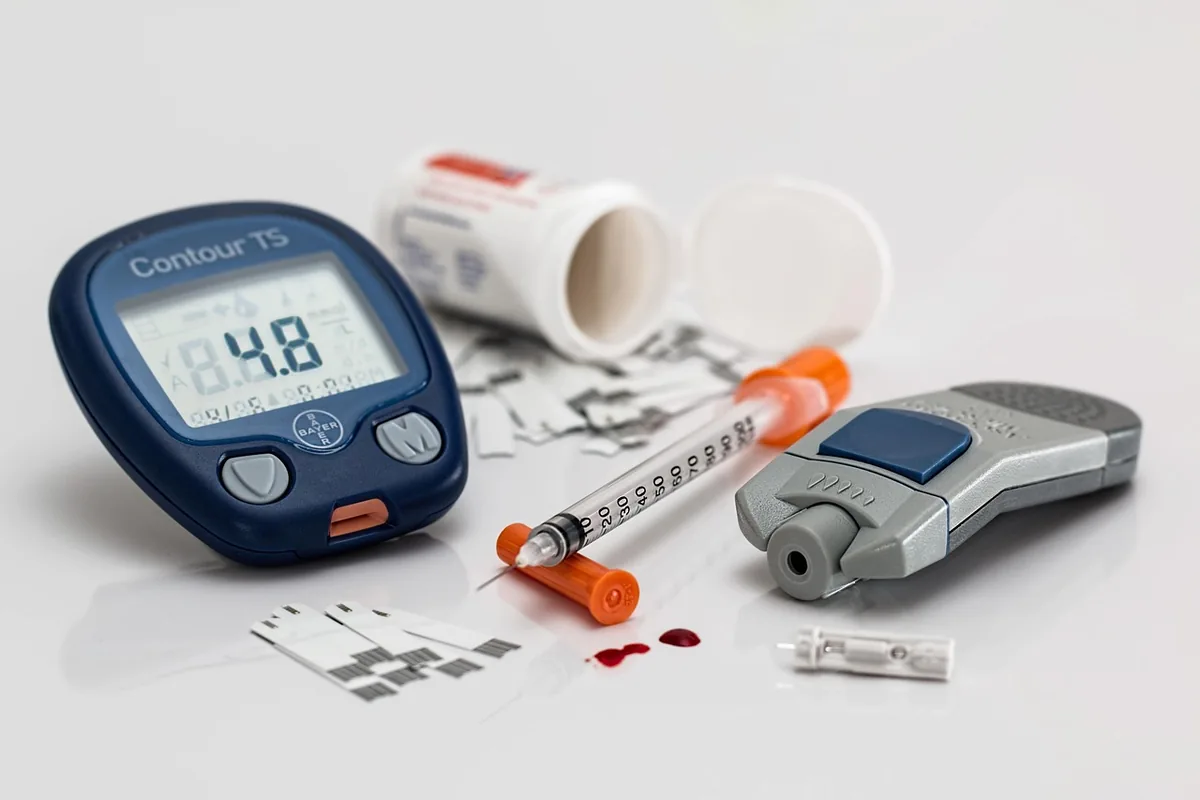
Blood‑sugar levels act like a thermostat for nerve health. When levels stay high for long periods, nerve function can degrade. Guidelines often suggest aiming for an HbA1c of 7% or lower to help slow that process.
- Some people use a continuous glucose monitor (CGM) for real‑time data.
- A balanced plate—with non‑starchy vegetables, lean proteins, and healthy fats—is commonly recommended.
- Diabetes medications should be taken exactly as prescribed by the treating clinician.
Observational evidence suggests that logging carbohydrate intake for a couple of weeks may help some people improve their glucose control.
FDA‑Approved Medications
| Medication | How It Works | Labeled Dose Range (FDA) | Common Side‑Effects | Commonly Used For |
|---|---|---|---|---|
| Pregabalin (Lyrica) | Calcium‑channel blocker that dulls pain signals | 150–600 mg/day | Dizziness, weight gain | Moderate‑to‑severe leg pain |
| Duloxetine (Cymbalta) | SNRI that boosts serotonin & norepinephrine | 60–120 mg/day | Nausea, insomnia | Pain with co‑existing depressive symptoms |
| Gabapentin (Neurontin) | Similar to pregabalin, often lower‑cost | 900–3600 mg/day | Sleepiness, edema | Mild‑moderate discomfort |
| Amitriptyline (Tricyclic) | Blocks pain receptors in the brain | 10–75 mg/night | Dry mouth, heart rhythm changes | When other medications are not well‑tolerated |
The choice of medication depends on individual factors such as kidney function, mood, and insurance coverage. The actual dose and schedule are always determined by the prescribing clinician—only they can tailor the regimen to a person’s specific needs.
Complementary Pharmacologic Options
Topical agents may be applied directly to the affected area.
- Capsaicin 8% patches – a capsaicin‑based option that may desensitise pain receptors after several weeks of regular use.
- Lidocaine 5% cream – numbs the area for short‑term relief, sometimes used for breakthrough symptoms.
- OTC pain relievers such as acetaminophen or ibuprofen – can offer temporary help while waiting for prescription medications to reach full effect.
- Supplements like alpha‑lipoic acid or B‑complex vitamins have modest supporting evidence; they are not a cure but may be considered as part of a broader plan under professional guidance.
Lifestyle & Physical Interventions
Exercise supports circulation, which can nourish nerve tissues.
- Pool‑based walking – water supports joints while providing a cardiovascular workout.
- Tai chi or gentle yoga – may help balance the mind and body, potentially reducing stress‑related pain.
- Daily footcare routine – inspect, moisturise, and wear supportive shoes.
- Smoking cessation – nicotine constricts blood vessels, which can reduce oxygen supply to nerves.
- Maintaining a healthy weight – less pressure on the legs may help reduce discomfort.
Home‑Remedy Toolbox
| Remedy | Suggested Use | Evidence Level |
|---|---|---|
| Warm Epsom‑salt soak | Soak for about 15 minutes, up to twice daily (discuss with your doctor first if you have skin or circulation issues) | Low–moderate |
| Lavender‑peppermint oil blend | Dilute 5% in a carrier oil and use for gentle massage | Anecdotal |
| Turmeric golden milk | One cup before bedtime, as a warm beverage | Emerging |
These home practices may help calm inflammation and provide a sense of control, but they are supplements—not replacements—for a prescribed medical regimen.
Personalised Care Plan
Step‑by‑Step Approach
- Assess pain severity – commonly rated as mild, moderate, or severe.
- Check glucose control – if HbA1c is above 7%, dietary and medication adjustments are often prioritised.
- Discuss first‑line medication – a prescriber may consider pregabalin or duloxetine.
- Consider topical/OTC options – for breakthrough moments, as advised by a clinician.
- Incorporate lifestyle habits – exercise, foot care, and smoking cessation.
- Schedule follow‑up – typically at intervals recommended by the prescribing professional.
Sample 8‑Week Timeline (Example Only)
| Week | Action | Focus |
|---|---|---|
| 1–2 | Log blood‑sugar levels; discuss medication options (e.g., duloxetine) with your clinician | Establish baseline control |
| 3–4 | Begin daily foot inspection and a 20‑minute pool walk (or similar gentle exercise) | Reduce foot‑related risks |
| 5–6 | Evaluate pain response; consider adding a capsaicin patch if your doctor agrees | Manage breakthrough symptoms |
| 7–8 | Review side‑effects with your prescriber; adjust any doses only under their direction | Optimise comfort and safety |
Risks and Red Flags
Medication Side‑Effects (Balanced View)
Every medication carries trade‑offs. Pregabalin may cause weight gain, while duloxetine can bring nausea or, rarely, mood changes. Open communication with the prescribing clinician is essential—any new or concerning symptom should be reported promptly.
When to Seek Immediate Care
- Sudden loss of feeling in the foot or leg.
- Rapid swelling, redness, or an open sore that does not heal.
- Severe, uncontrolled pain that spikes despite current medication.
If any of these signs occur, prompt medical evaluation is warranted. Early attention may reduce the risk of serious complications.
Coordinating Your Healthcare Team
Think of treatment as an orchestra: the endocrinologist helps manage blood‑sugar, the podiatrist monitors foot health, the pain specialist guides medication choices, and the pharmacist checks for safety. When each professional plays their part, the overall result—your comfort—can be much better.
Helpful Resources
For deeper dives, you might explore the Mayo Clinic’s guide to diabetic neuropathy treatment and the Cleveland Clinic’s overview of medication options. Both sites cite recent clinical trials and give practical tips you can discuss with your doctor.
Conclusion
There is no single “best” treatment that works the same for everyone. A thoughtful blend of glucose control, an evidence‑based medication (such as pregabalin or duloxetine), and daily habits that protect the feet and support movement is often recommended. Topical agents, home remedies, and exercise can add further layers of support.
It can be very helpful to communicate openly with your healthcare providers, track your own responses, and adjust the plan as you learn what suits your body. With professional guidance, you can turn a general recommendation into a personalised strategy that works for you.