Not medical advice — written by Ngoc Vietsmall, who is not a healthcare professional.
This article summarises publicly available medical information for general readers. It cannot account for your history, medication or symptoms, and it is not a diagnosis or a treatment plan. Any dose mentioned comes from published labelling or guidelines — only your own prescriber can decide what is right for you.
Always speak to a doctor or pharmacist before starting, stopping or changing any treatment. If symptoms are severe or getting worse, seek urgent care. Full disclaimer · How this is written
If your little one with ADHD is turning bedtime into a nightly saga, youre not alone. The right sleep medication can turn those endless tossandturn sessions into a peaceful night for the whole family.
In the next few minutes well cut through the jargon, walk you through the safest prescription options, explore overthecounter and natural alternatives, and show you how to weigh the benefits against the risks. By the end, youll have a clear action plan you can discuss with your pediatricianno more guessing, just confident choices.
Understanding the Connection
Why is bedtime harder for kids with ADHD?
ADHD isnt just about daytime hyperactivity; its a brain wiring that keeps the on switch flickering even after lights go out. Dopamine imbalances, heightened alertness, and the lingering buzz from stimulant medication can all keep a child from drifting off.
On top of that, many children with ADHD also wrestle with anxiety, sensory sensitivities, or autism spectrum traitseach adding its own layer of bedtime resistance.
How common are sleep problems?
Studies show roughly 3040% of children with ADHD experience clinically significant insomnia (PubMed study). Its not a rare side effect; its a regular part of the ADHD landscape.
Knowing the scope helps you see that looking for a solution is completely reasonablenot a sign of parenting failure.
Prescription Options
Melatonin (prescriptiongrade)
Melatonin is the hormone your body naturally produces at night, and a prescriptiongrade formulation (often a prolongedrelease version) is the most studied sleep aid for kids with ADHD. Doses typically start at 1mg and can go up to 5mg, taken about 3060 minutes before bed.
Benefits include a consistent reduction in sleeponset latency by 2040minutes and minimal daytime grogginess when dosed properly. Sideeffects are rare, but some children may feel a bit drowsy the next morning.
Clonidine & Guanfacine offlabel but effective
Both are alpha2 agonists originally used for high blood pressure. They work by calming the nervous system, which can help a hyperalert brain settle down for sleep.
Typical dosing starts at 0.05mg at bedtime. Watch for dry mouth, low blood pressure, or occasional fatigue. Because theyre offlabel for sleep, youll need a pediatricians oversight.
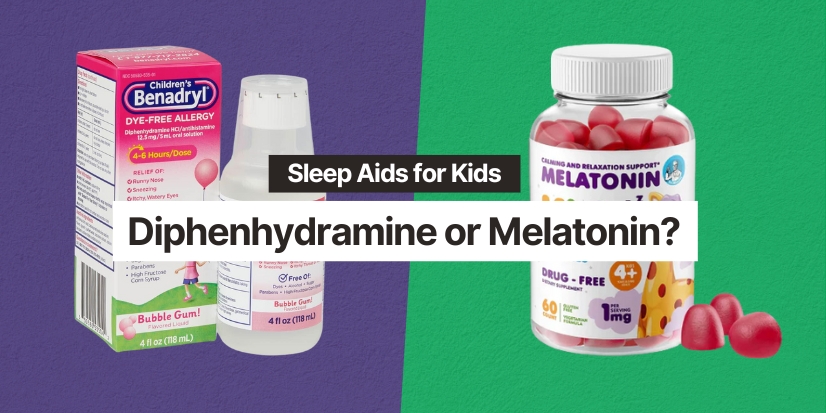
Antihistamines (diphenhydramine, doxylamine)
These overthecounter sleep aids are sometimes used offprescription for kids, but tolerance builds quickly. They can cause nextday drowsiness, and the evidence for longterm safety in ADHD children is limited.
Lowdose stimulant at night
Surprisingly, a very low evening dose of a childs regular ADHD stimulant can sometimes improve sleep quality by smoothing out the daily rebound effect. This strategy should only be tried under a specialists guidance.
Prescription Sleep Aids Comparison
| Medication | FDA Status | Typical Dose | Onset | Avg. SleepOnset | Common SideEffects |
|---|---|---|---|---|---|
| Melatonin (presc.) | FDAapproved (UK) | 15mg | 3060min | 2040min | Drowsiness, morning grogginess |
| Clonidine | Offlabel | 0.050.1mg | 4560min | 1530min | Low BP, dry mouth |
| Guanfacine | Offlabel | 0.51mg | 4590min | 2035min | Dizziness, fatigue |
| Antihistamine | OTC | 12.525mg | 1530min | 1020min | Morning hangover, tolerance |
OTC & Natural Aids
OTC Melatonin is it safe?
Many parents turn to the shelfstable melatonin gummies. While they can be effective, the doses are less consistent, and the products arent regulated as tightly as prescription versions. For ADHD children, stay below 3mg and always discuss with a doctor first.
Herbal options (valerian, chamomile, Ltheanine)
These botanicals have a long history of calming properties, but robust clinical trials in ADHD kids are scarce. Theyre generally lowrisk, but you should still check for interactions with any stimulant medication.
Lifestyle medication
Sometimes the simplest changes make the biggest difference. Heres a quick bedtime checklist you can start tonight:
- Dim the lights at least an hour before sleep.
- Introduce a calming sensory activitythink a warm bath or soft music.
- Screenfree winddown period (no tablets, phones, or TV).
- If using melatonin, give it 30minutes before lights out.
- Maintain a consistent bedtime, even on weekends.
These steps create a predictable environment that signals the brain its time to shut down.
Balancing Benefits & Risks
What to track for success
- Sleeponset latency (how long it takes to fall asleep).
- Total sleep time.
- Daytime mood and attention.
- School performance or behavior reports.
Redflags to watch
- Persistent morning grogginess.
- Worsening behavior or new anxiety.
- Any signs of allergic reaction or blood pressure changes.
- Interaction with other meds (especially ADHD stimulants).
When to stop or adjust
If you see no improvement after 46weeks, or sideeffects outweigh the benefits, its time to revisit the plan with your pediatrician. Switching to a lower dose, trying a different medication, or adding a behavioral strategy can often rescue the situation.
Decision Tree (simplified)
Start  2week trial  Sleep improves?  Continue

 No change  Adjust dose or switch med  Reevaluate
Practical Steps to Get Started
- Talk to your pediatrician. Bring a 7day sleep diary (note bedtime, waketime, any night awakenings, and daytime behavior).
- Review current ADHD meds. Identify whether the stimulant youre using might be contributing to insomnia.
- Pick an initial sleep aid. Many families start with a low dose of prescription melatonin; others may try clonidine if melatonin isnt enough.
- Set a bedtime routine. Use the checklist above and stick to it for at least two weeks.
- Monitor & record. Use the decisiontree template to note changes, sideeffects, and overall mood.
- Reevaluate with the doctor. Adjust the dose, switch medication, or add a nonpharmacologic strategy based on the data you collected.
For a printable version of this starter sheet, American Academy of Child and Adolescent Psychiatry offers a handy PDF you can download and fill out with your childs details.
Conclusion
Sleep problems are a frequent companion of ADHD, but they dont have to dominate family life. From prescriptiongrade melatonin to carefully chosen OTC options and lifestyle tweaks, theres a toolbox of safe, effective strategies. The key is pairing the right medication with a consistent bedtime routine and keeping a close eye on how your child feels both at night and during the day.
We hope this guide gives you the confidence to start a conversation with your doctor, track progress, and find the balance that works for your family. A good nights rest is the foundation for better focus, brighter moods, and calmer eveningsso lets get your child the sleep they deserve.