Not medical advice — written by Ngoc Vietsmall, who is not a healthcare professional.
This article summarises publicly available medical information for general readers. It cannot account for your history, medication or symptoms, and it is not a diagnosis or a treatment plan. Any dose mentioned comes from published labelling or guidelines — only your own prescriber can decide what is right for you.
Always speak to a doctor or pharmacist before starting, stopping or changing any treatment. If symptoms are severe or getting worse, seek urgent care. Full disclaimer · How this is written
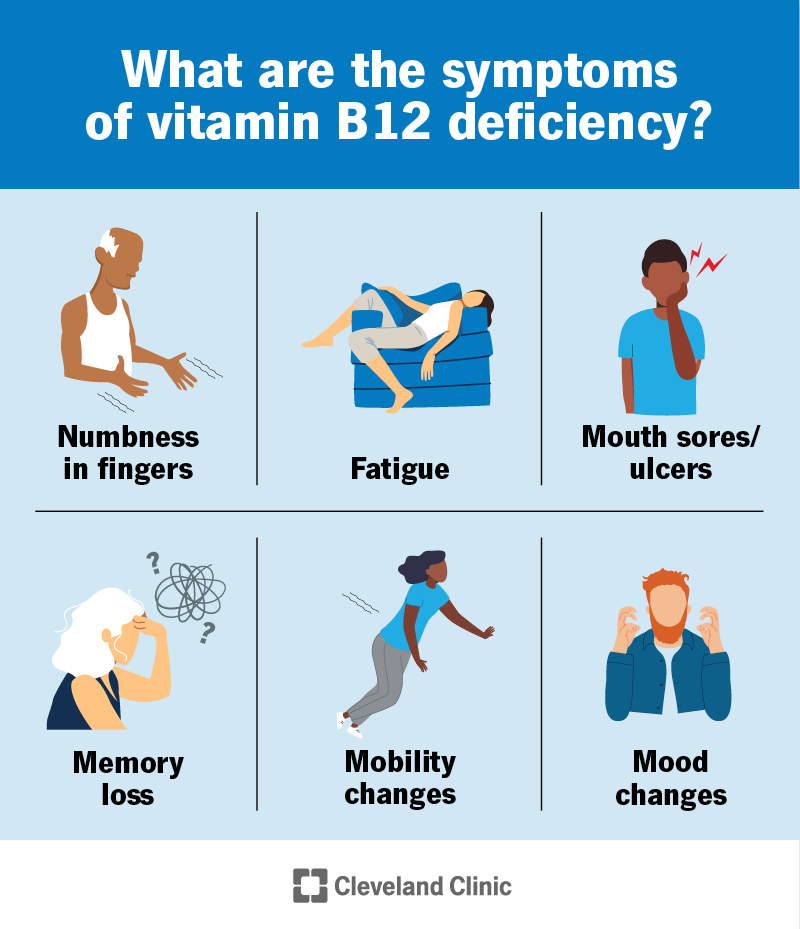
Ever feel like you’re running on fumes, with that foggy‑brain vibe you just can’t shake? If you have Crohn’s disease, those feelings might be more than just “bad days.” Your gut could be stealing your vitamin B12, and the body’s warning lights start flashing. In short, the most common signs are fatigue, tingling in the limbs, mouth sores, and memory fog—if you spot them early, you can get ahead of the problem before it slips into serious nerve damage.
Below, we’ll walk through why Crohn’s messes with B12, what symptoms to watch for (including a few sneaky ones), how doctors figure it out, and the best ways to fix it. Think of this as a friendly coffee chat where we cut through the medical jargon, share real stories, and give you a clear game plan.
Why Crohn’s Triggers
What part of the gut absorbs B12?
Vitamin B12 is a picky guest—it only gets absorbed in the very end of the small intestine, called the terminal ileum. Crohn’s often targets this exact spot, inflaming or even surgically removing sections of it. When the ileum is compromised, B12 can’t hitch a ride into your bloodstream.
How common is the deficiency?
Studies show that up to 30 % of people with moderate‑to‑severe Crohn’s develop low B12 levels at some point. A recent review in PubMed highlighted that the risk climbs sharply when the disease involves the ileum or after surgical resection.
Other gut issues that affect B12
While Crohn’s is the headline act, celiac disease, short‑bowel syndrome, and chronic pancreatitis can also throttle B12 absorption. Below is a quick snapshot:
| Condition | Absorption Site Affected | Typical Deficiency Rate |
|---|---|---|
| Crohn’s (ileal involvement) | Terminal ileum | 20‑30 % |
| Celiac disease | Proximal small intestine | 5‑10 % |
| Short‑bowel syndrome | Various | 15‑25 % |
Core Symptoms
Physical red flags
These are the “obvious” clues your body throws up:
- Persistent fatigue that rest doesn’t fix
- Weakness, especially during daily chores
- Pale or slightly yellowish skin
- Shortness of breath on light exertion
Neurological warning signs
This is where things get tricky because the symptoms can masquerade as stress or aging:
- Tingling or “pins‑and‑needles” in hands/feet (paresthesia)
- Numbness that messes with balance
- Memory lapses—forgetting names or appointments
- Mood swings or mild depression
According to the Mayo Clinic, these neurological symptoms often appear before blood tests show a dramatic drop, so trust your gut (and your nerves) when they start sending signals.
GI clues unique to Crohn’s‑related loss
Because Crohn’s already messes with digestion, you might also notice:
- Glossitis (smooth, red tongue)
- Recurring mouth ulcers
- Loss of appetite and unintentional weight loss
Unusual or “atypical” symptoms
Not every case follows the textbook. Some people report:
- Tinnitus (ringing in the ears)
- Heart palpitations that feel like a flutter
- Changes in skin color—hyperpigmentation on knuckles
These “odd” signs can be easy to dismiss, but they’re worth mentioning to your doctor, especially if they show up alongside the classic fatigue.
When It Could Signal More
Link to cancer?
Low B12 isn’t a smoking gun for cancer, but chronic anemia and unexplained weight loss should raise a flag. In gastrointestinal cancers, malabsorption can mimic a B12 deficiency. The key is a thorough work‑up—blood panels, imaging, and possibly an endoscopy—to rule out malignant causes.
Distinguishing from other deficiencies
Vitamin D, folate, and iron deficiencies can share fatigue and bone‑related complaints. Here’s a quick side‑by‑side:
| Deficiency | Key Symptoms | Unique Marker |
|---|---|---|
| B12 | Fatigue, tingling, memory fog | Megaloblastic anemia, elevated MMA |
| Vitamin D | Bone pain, muscle weakness | Low 25‑OH‑D levels |
| Folate | Fatigue, irritability | Low RBC folate, normal MMA |
Red‑flag symptoms needing urgent care
If you notice any of these, call your gastroenterologist or head to urgent care:
- Rapidly worsening numbness or loss of coordination
- Severe, unexplained weight loss
- Persistent abdominal pain with blood in stool
- Signs of heart palpitations combined with dizziness
How Doctors Diagnose
Blood work you’ll get
Typical labs include:
- Serum B12 level (the first line)
- Methylmalonic acid (MMA) – more sensitive for early deficiency
- Homocysteine – often rises when B12 is low
- Complete blood count (CBC) – looks for macrocytic anemia
Imaging and endoscopy clues
If blood tests hint at a problem, doctors may schedule a colonoscopy or MR enterography to see how much of the ileum is still functional. Visible ulcerations or strictures give a visual cue that absorption is compromised.
Screening guidelines for IBD clinics
Most gastro clinics recommend checking B12 at least once a year for patients with ileal disease, or sooner if symptoms appear. Some centers use a symptom‑triggered approach—testing whenever you report tingling or fatigue.
Treatment Options
Oral supplements – pros & cons
High‑dose oral B12 (e.g., 1,000 µg daily) can work if your ileum still has some absorptive capacity. The upside is convenience; the downside is that about 10‑15 % of people with severe Crohn’s still don’t get enough through the gut.
B12 injections for Crohn’s disease
Injections bypass the gut entirely. A typical schedule looks like this:
| Phase | Dosage | Frequency |
|---|---|---|
| Loading | 1,000 µg | Weekly for 1‑2 months |
| Maintenance | 1,000 µg | Monthly thereafter |
Most patients feel a boost in energy within a few weeks, and neurological symptoms improve over months. According to Cleveland Clinic, injections are safe and rarely cause side effects.
Food‑based sources and fortified options
If you’re a meat‑eater, aim for:
- Beef liver (one of the richest sources)
- Clams, oysters, and other shellfish
- Egg yolks and low‑fat dairy
For vegans or those with limited intake, look for fortified cereals, plant milks, and nutritional yeast. Yet, even a diet packed with these foods may not suffice if the ileum isn’t cooperating.
Why Vitamin D matters too
Low vitamin D often co‑exists with B12 deficiency because both are involved in nerve health and immune regulation. When you test for B12, many clinicians also check 25‑OH‑D levels. If both are low, a combined supplementation plan—usually 1,000‑2,000 IU of D3 plus B12—can speed up recovery.
How long does recovery take?
Blood levels generally normalize within 4‑8 weeks of adequate treatment. However, neurological signs (tingling, memory fog) may take 3‑6 months to fully resolve. Patience is key; keep the supplement routine steady and follow up with your doctor.
Living with Crohn’s & B12 Deficiency
Routine monitoring
Plan labs every 6‑12 months, or sooner if symptoms re‑appear. Tracking serum B12, MMA, and CBC trends helps catch any slip‑ups before they become serious.
Lifestyle tweaks that help
- Quit smoking—smoking worsens ileal inflammation.
- Manage stress with gentle yoga or meditation; stress can exacerbate gut permeability.
- Consider a probiotic that supports short‑chain fatty acid production, which may improve overall gut health.
When to adjust treatment
Watch for these signs that your current plan isn’t enough:
- Persistent tingling despite injections
- Recurrent low B12 labs after a maintenance dose
- New flare‑ups of Crohn’s symptoms
If any of these appear, discuss a higher dosage or alternate route (e.g., sublingual tablets) with your gastroenterologist.
Community and support
Connecting with others who’ve walked the same path can be a lifeline. The Crohn’s & Colitis Foundation offers online forums, and many patients share tips on managing B12 on Reddit’s r/CrohnsDisease community. Knowing you’re not alone makes the medical journey feel less daunting.
Conclusion
Living with Crohn’s already feels like navigating a maze, but understanding how the disease steals your vitamin B12 turns confusion into control. The hallmark signs—fatigue, tingling, mouth sores, and brain fog—are your body’s SOS signals. Early testing, a balanced mix of oral or injectable B12, and attention to related nutrients like vitamin D can restore energy and protect your nerves. Keep up with regular labs, stay honest with your doctor about any new sensations, and lean on supportive communities. You deserve to feel vibrant again—so let’s get those B12 levels back where they belong.