



Not medical advice — written by Ngoc Vietsmall, who is not a healthcare professional.
This article summarises publicly available medical information for general readers. It cannot account for your history, medication or symptoms, and it is not a diagnosis or a treatment plan. Any dose mentioned comes from published labelling or guidelines — only your own prescriber can decide what is right for you.
Always speak to a doctor or pharmacist before starting, stopping or changing any treatment. If symptoms are severe or getting worse, seek urgent care. Full disclaimer · How this is written
Ever felt like your brains reward button is stuck on lowfuel? Youre not alone. Many people with ADHD experience a dopamine dip that makes everythingfrom focusing on a work email to enjoying a hobbyfeel like a uphill climb. Below is a friendly, nofluff walkthrough of what dopamine deficiency means for ADHD, why it happens, and what you can practically do today to give your brain a gentle lift.
Quick Answer Snapshot
Is dopamine deficiency a cause of ADHD?
Yes. Research shows that many individuals with ADHD have lower dopamine activity in brain regions that manage attention and reward. In plain English, the feelgood chemical isnt sent out as often, so staying motivated feels harder.
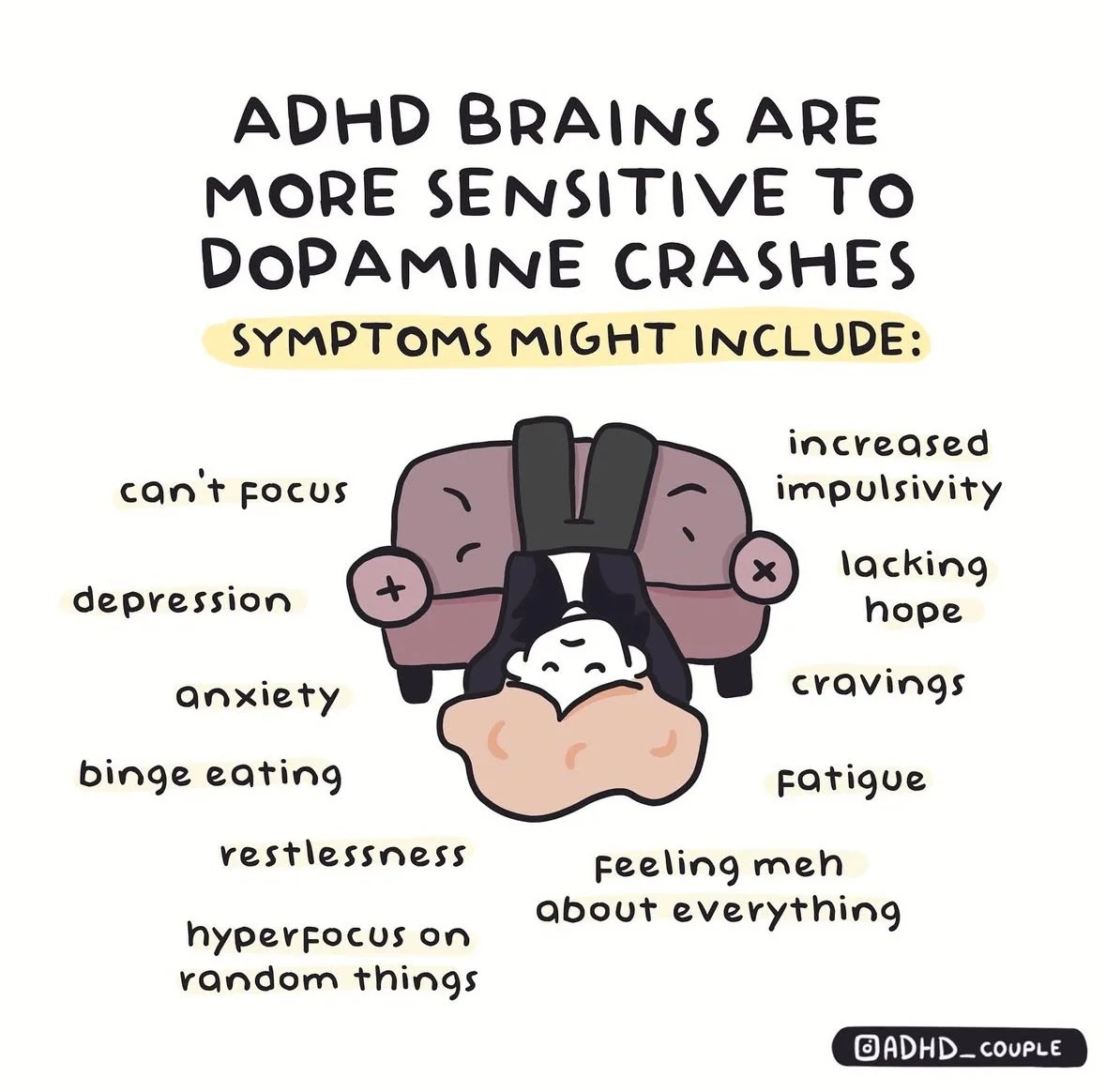
What is an ADHD dopamine crash?
A dopamine crash is the sudden dip you notice when a stimulant wears off or when you skip a routine that usually boosts dopamine (like a quick walk or protein snack). It can leave you feeling foggy, irritable, or unusually unmotivated.
Immediate natural steps to lift dopamine
- Move for 3 minutes a brisk walk or jumping jacks.
- Snack on proteinrich foods (Greek yogurt, nuts, or a boiled egg).
- Step outside for a few minutes of sunlight.
These three moves start a cascade that nudges dopamine levels upward within minutes.
Science Behind ADHD
Dopamines role in the brains reward system
Think of dopamine as the brains gold star. Every time you accomplish something, dopamine hands you that star, reinforcing the behavior. In ADHD, the stardelivery system is a bit rusty, so you dont get the same reinforcement for everyday tasks.
Genetic clues: DRD2 and other dopaminerelated genes
One of the most studied genes is DRD2, which codes for a dopamine receptor. Variants of this gene can reduce receptor efficiency, meaning even if dopamine is released, the brain doesnt catch it as effectively.
| Gene Variant | Dopamine Receptor Activity | Typical Impact |
|---|---|---|
| DRD2 A1 (risk allele) | Reduced receptor binding | Lower reward sensitivity, higher ADHD symptom severity |
| DRD2 A2 (common allele) | Normal binding | Typical dopamine signaling |
Studies like the one indexed on PubMed have shown that people with the A1 variant are more likely to report ADHDrelated challenges.
Serotonin vs. dopamine in ADHD
While dopamine drives reward, serotonin steadies mood and anxiety. When serotonin dominates and dopamine lags, you might notice a blend of ADHD symptoms with mood swings or depressionwhat some call ADHD dopamine depression. Balancing both chemicals is key.
RealWorld Impact
Core symptoms tied to low dopamine
Low dopamine doesnt just mean cant sit still. It shows up as:
- Difficulty staying focused on boring tasks.
- Impulsive chasing of quick thrills.
- Reduced motivation to start or finish projects.
Dopamine deficiency & depression
Many adults with ADHD report feeling flat or down even when lifes going fine. Thats often the brains way of saying it isnt getting enough dopamine to lift mood.
How dopamine shapes relationships
When dopamine signals are weak, praise and positive feedback feel less rewarding. This can cause misunderstandings with partners, friends, or coworkers who think youre ungrateful or unmotivated. A simple trick is to use concrete, immediate praise (Great job finishing that report!) and break tasks into bitesize rewards.
Natural Dopamine Boost
Lifestyle hacks
These arent miracle cures, but theyre solid, evidencebased habits:
- Exercise Short bursts of cardio or HIIT increase dopamine release. Even a 10minute jog can make a difference (Healthline).
- Nutrition Foods high in tyrosine (the building block of dopamine) such as turkey, eggs, cheese, soy, and almonds support production.
- Sleep Aim for 79hours. Sleep deprivation shrinks dopamine receptors, making the brain less responsive.
Supplements & herbs (with caution)
If youre already on medication, run any supplement by your doctor. Mild options with modest evidence include:
- Ltyrosine (300500mg before a demanding task).
- VitaminB6 (helps convert Ltyrosine to dopamine).
- Magnesium (supports overall neurotransmitter balance).
Behavioral tricks
Rewardstacking works wonders. Pair a tiny immediate reward (like a 5minute music break) with a larger goal (finishing a report). The brain learns that effort leads to fast gold stars, and dopamine levels stay steadier.
Medical Treatment Options
Stimulants
Methylphenidate and amphetamines act like a dopamine floodgate, releasing more of the chemical into the synapse. Thats why many people feel a surge of focus and energy shortly after dosing.
Nonstimulants
Medications such as atomoxetine or bupropion influence dopamine indirectly, offering an alternative for those who cant tolerate stimulants.
Dopamine crash risk
When a stimulants effect fades, dopamine levels can dip below baseline, creating that dreaded crash. Planning a smooth transitionlike a light snack or a brief walkcan soften the dip.
Decisionmaking checklist
- Do you notice a clear boost in focus after medication?
- Are sideeffects (e.g., insomnia, appetite loss) manageable?
- Do you experience a noticeable crash when the medication wears off?
- Have you tried any lifestyle tweaks that complement the meds?
Discuss these points with your prescriber to finetune the regimen.
Practical Balance Guide
Selfassessment checklist
Score yourself (05) on each item:
- Consistent focus on daily tasks.
- Stable mood throughout the day.
- Energy levels after medication or natural boosters.
- Quality of sleep.
- Overall satisfaction with relationships.
A total under 15 suggests you might benefit from adding one or two natural dopamineboosting habits.
Creating a dopaminefriendly routine
Heres a simple weekly template:
- Morning 5minute stretch + proteinrich breakfast.
- Midday 10minute walk in sunlight.
- Afternoon Small reward after completing a key task.
- Evening Screenfree winddown, then a brief gratitude journal (positive emotions also lift dopamine).
When to seek professional help
If you notice any of these red flags, its time to talk to a clinician:
- Severe mood swings or thoughts of selfharm.
- Persistent inability to function at work or school despite trying lifestyle changes.
- Sideeffects from medication that feel unsafe.
Helpful Resources
Scientific articles
For deeper dives, check out peerreviewed studies on dopamine genetics (e.g., the PMC2626918 paper) and recent reviews in Frontiers in Psychiatry (2024).
Patientfocused sites
Organizations such as the ADHD Adults network provide clear guides on medication, lifestyle, and community support.
Support communities
Reddit threads titled natural ways to increase dopamine ADHD are full of realworld tips, but always crosscheck with reputable sources before trying anything new.
Conclusion
Understanding that dopamine deficiency is a genuine, measurable part of many ADHD experiences is empoweringit means there are concrete actions you can take. Whether you start with a quick walk, tweak your diet, or discuss medication adjustments with a trusted clinician, every small step nudges your brains reward system toward a healthier balance. Try one natural boost today, track how you feel, and consider sharing your progress with a supportive friend or professional. You deserve a brain that feels motivated, not stuck on lowfuel, and you have the tools right here to start the journey.








