
Not medical advice — written by Ngoc Vietsmall, who is not a healthcare professional.
This article summarises publicly available medical information for general readers. It cannot account for your history, medication or symptoms, and it is not a diagnosis or a treatment plan. Any dose mentioned comes from published labelling or guidelines — only your own prescriber can decide what is right for you.
Always speak to a doctor or pharmacist before starting, stopping or changing any treatment. If symptoms are severe or getting worse, seek urgent care. Full disclaimer · How this is written
Imagine lying down, closing your eyes, and hearing a steady thumpthumpthump that matches every beat of your heart. Thats pulsatile tinnitus a rhythmic ringing or whooshing that syncs with your pulse. In most cases it isnt a lifethreatening emergency, but it can be a sign that something in your ears or blood vessels needs attention. Below youll find a friendly, nofluff guide that explains why it happens, when to worry, and what you can actually do about it.
What Is Pulsatile Tinnitus?
In plain language, pulsatile tinnitus is a sound that your ears pick up directly from the blood flow inside or near them. Unlike the usual ringing tinnitus thats constant or sporadic, this type literally beats with your heart. Medical professionals call it pulsatile because of that exact rhythm.
Most people describe it as a whooshing, a faint drum, or even the feeling that their heart is inside the ear. One anonymous forum member summed it up: Its like hearing a tiny speaker inside my head that never shuts off when I lie down. The sensation can happen in both ears, just one, or even shift from side to side.
Why Do You Hear Your Heartbeat?
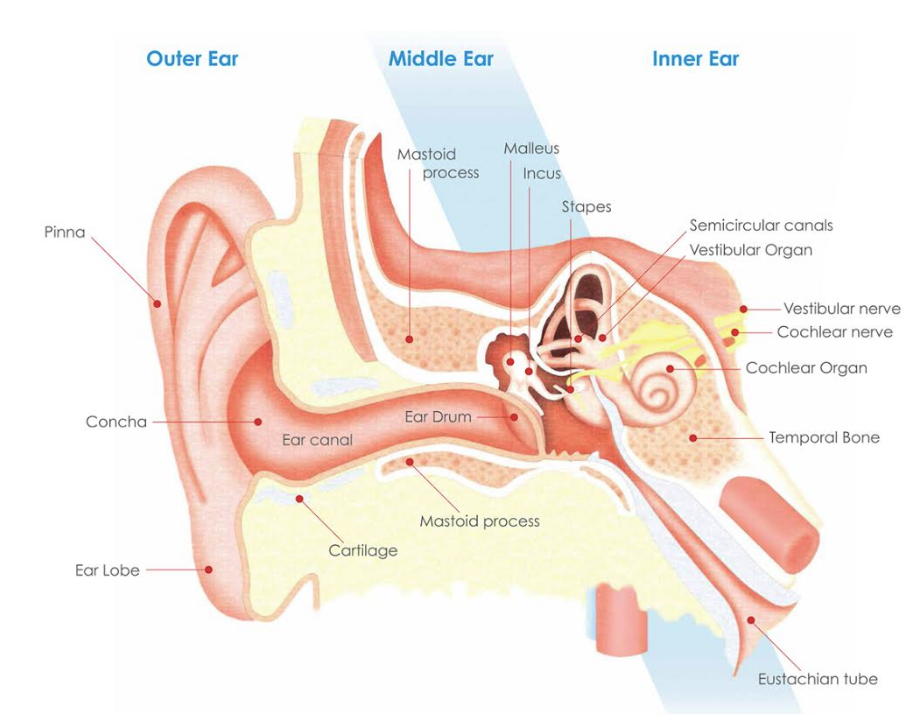
Our bodies are full of tiny arteries and veins that carry blood past the ear structures. When blood rushes through a narrowed or turbulent vessel, the sound can travel straight to the cochlea (the inner ears soundprocessing hub). A few common culprits include:
- Vascular issues: Atherosclerosis, arteriovenous malformations, or a bulging vein can create turbulence that the ear detects.
- Middleear tumors: Glomus tumors are small, usually benign growths that sit near the inner ear and can amplify blood flow noises.
- Eustachian tube dysfunction: When the tube that equalizes pressure gets sticky, it can amplify the natural pulse sounds.
- Systemic conditions: High blood pressure, anemia, or hyperthyroidism increase cardiac output, making the pulse louder in your ear.
Ever wondered, Why can I hear my heartbeat in my ear when I lay down? Lying flat changes how blood pools around the head, often making the sound louder because the vessels are closer to the ear canals.
Who Gets It?
Pulsatile tinnitus doesnt discriminate, but certain patterns show up.
- Age & gender: Its most common in adults between 40 and 70, and slightly more prevalent in men, likely due to higher rates of vascular disease.
- Lifestyle: Smoking, excessive caffeine, and longterm exposure to loud noise can increase the odds.
- Oneear cases: When it shows up in only one ear pulsatile tinnitus in one ear only think of localized causes like a glomus tumor or a venous anomaly on that side.
When to Worry & Call a Doctor
Most of us experience harmless ear quirks, but some redflags scream for professional help:
- Sudden onset or dramatic change in intensity.
- Associated neurological symptoms: numbness, weakness, vision changes.
- Worsening with exercise or heavy lifting.
- Persistent sound that doesnt fade after a few days.
According to the NHS, if your pulsesynchronous ringing lasts more than a week or is accompanied by other symptoms, schedule an appointment. Early detection can prevent complications, especially when an underlying vascular condition is present.
How Doctors Diagnose It
Getting to the root cause usually follows a stepbystep approach.
Basic ENT Examination
The ear, nose, and throat (ENT) specialist first looks inside the ear with an otoscope. They check for earwax blockage, middleear fluid, or visible masses.
Imaging Tests
| Test | What It Shows | When Its Used |
|---|---|---|
| Doppler Ultrasound | Blood flow speed and turbulence | Firstline for vascular clues |
| CT Angiography (CTA) / MR Angiography (MRA) | Detailed images of arteries & veins | Suspected aneurysm or malformation |
| Standard MRI | Softtissue lesions like glomus tumors | When a mass is suspected |
Specialist Clinics
Some centers, like Northwestern Medicines Pulsatile Tinnitus Clinic, bring together ENT doctors, radiologists, and neurologists for a multidisciplinary evaluation. Its a solid example of team science that boosts diagnostic accuracy.
Treatment Options What Actually Works?
Theres no onesizefitsall cure, but knowing the options helps you feel empowered.
Address the Root Cause
- Bloodpressure meds: If hypertension is the culprit, controlling it often reduces the pulse sound.
- Surgery: For glomus tumors or serious vascular malformations, surgical removal can be curative.
- Endovascular procedures: In some cases, a tiny coil is placed in an abnormal vein to stop turbulent flow.
SymptomFocused Therapies
- Soundmasking devices: Whitenoise machines or specialized hearing aids emit gentle background sounds that make the pulse less noticeable.
- Cognitivebehavioral therapy (CBT): Helps reframe the annoyance factor, especially when the sound is chronic.
Lifestyle Tweaks to Quiet the Beat
Wondering how to stop pulsing in ear without a prescription? Try these simple changes:
- Reduce caffeine and alcohol both can heighten blood flow.
- Keep the bedroom cool; overheating can expand blood vessels.
- Elevate your head with an extra pillow; many notice the sound softens.
- Practice gentle neck stretches; pulsatile tinnitus changes with head position often because the vessel angle shifts.
Comparison: Invasive vs. NonInvasive
| Approach | Pros | Cons | Typical UseCase |
|---|---|---|---|
| Surgery | Potentially curative | Risk of complications, recovery time | Confirmed tumor or severe malformation |
| Endovascular embolization | Minimally invasive, quick | May need repeat procedures | Vascular loops causing turbulence |
| Soundmasking | Nonmedical, easy to start | May not eliminate sound, only masks | Mild to moderate symptoms |
| Lifestyle changes | No cost, no sideeffects | Effect varies, requires consistency | Earlystage or intermittent tinnitus |
Personal Stories Youre Not Alone
Let me share a quick anecdote from a friend, Mike. He started hearing his heart in his left ear after a stressful work period. At first, he brushed it off as just being tired. A few weeks later, the thump got louder when he tilted his head leftside down. After a visit to an ENT, an ultrasound revealed a tiny venous loop. A simple endovascular procedure fixed it, and the pulse vanished. Mikes takeaway? Dont ignore a weird sound, especially if its rhythmic.
Another reader posted on a health forum that she tried caffeine elimination, nightly neck stretches, and a whitenoise app. After a month, the pounding fell from loud as a drum to a soft background hum. She calls it learning to live with it, because not every case can be fully eradicated.
Bottom Line Take Action With Confidence
Pulsatile tinnitus, or that annoying tinnitus that beats in time with your pulse, is usually a symptom rather than a disease. Most of the time it isnt dangerous, but it can hint at underlying vascular or earrelated issues that deserve professional evaluation. If you notice the sound is new, worsening, or accompanied by other symptoms, book an appointment. Meanwhile, try simple lifestyle tweaks, consider soundmasking devices, and stay curious about how your body signals you.
Weve covered the why, the when, and the how now its up to you to decide your next step. Have you experienced a pulse in your ear? What helped you find relief? Share your thoughts, and lets keep the conversation going.