



Not medical advice — written by Ngoc Vietsmall, who is not a healthcare professional.
This article summarises publicly available medical information for general readers. It cannot account for your history, medication or symptoms, and it is not a diagnosis or a treatment plan. Any dose mentioned comes from published labelling or guidelines — only your own prescriber can decide what is right for you.
Always speak to a doctor or pharmacist before starting, stopping or changing any treatment. If symptoms are severe or getting worse, seek urgent care. Full disclaimer · How this is written
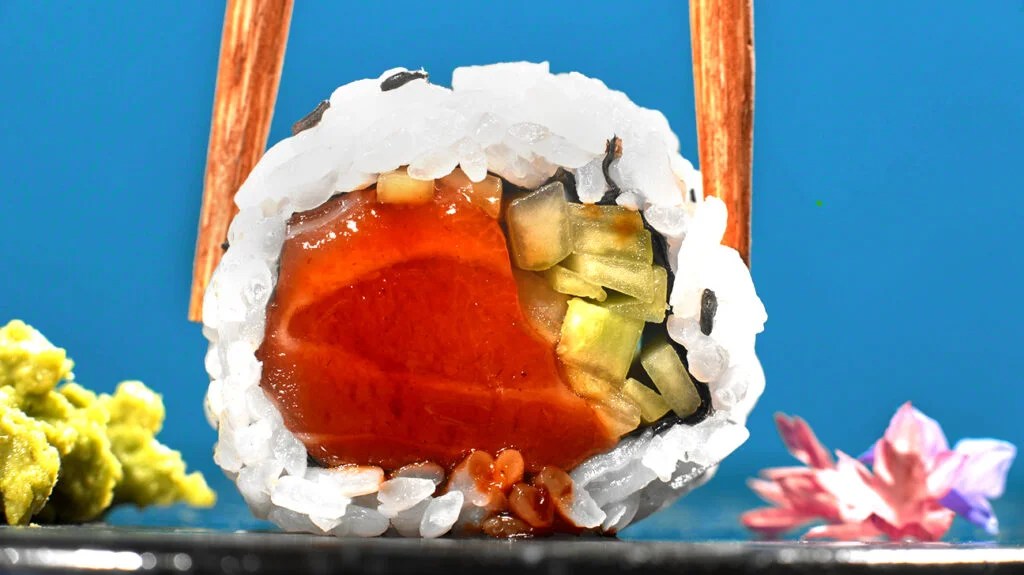
Short answer: yes, sushi can fit into a weight‑loss plan—as long as you pick the right pieces, watch your portions, and balance it with whole‑food meals. But the truth is, not every roll is created equal; some will help you stay on track while others can easily sabotage your goals.
Want to know how to enjoy those beautiful, bite‑size creations without the guilt? Let’s dive in together, explore the science, share some personal stories, and give you a practical roadmap you can start using tonight.
Why Sushi Works
Sushi’s reputation as a “healthy” food isn’t just hype. Most traditional sushi components—lean fish, seaweed, and a modest amount of rice—provide a solid nutritional foundation for sushi weight loss. A typical piece of nigiri or sashimi delivers around 30‑70 calories, a good dose of high‑quality protein, and essential omega‑3 fatty acids that support metabolism and keep you feeling full longer.
According to a review by Medical News Today, omega‑3s can help regulate blood sugar and reduce inflammation, both of which are key players in weight management. In other words, the fish you love isn’t just tasty—it’s a tiny, edible ally for your waistline.
But there’s a twist: the rice that holds everything together can be a hidden calorie trap if you don’t pay attention. That’s why understanding the macro split—high protein, moderate carbs, low fat—is crucial before you start counting bites.
Best Sushi Choices
Let’s break down the rolls and sashimi that actually support your goals. Below is a quick comparison of common options, followed by answers to the most asked related questions.
| Roll / Piece | Approx. Calories (per 6 pcs) | Key Nutrients |
|---|---|---|
| Cucumber Roll (Kappamaki) | ≈ 35 kcal | Low‑calorie, high water, some fiber |
| California Roll | ≈ 250 kcal | Avocado fats, some carbs, moderate protein |
| Salmon Nigiri | ≈ 120 kcal | Omega‑3s, high protein |
| Tuna Sashimi | ≈ 110 kcal | Lean protein, low fat |
| Tempura Roll | ≈ 400 kcal | High fat, high carbs, low protein |
Are California rolls healthy for weight loss? The answer isn’t black‑and‑white. While the avocado provides heart‑healthy monounsaturated fats, the roll also carries a generous amount of sushi rice and sometimes mayonnaise‑based sauces. If you love the flavor, try ordering a “half‑roll” or ask for brown rice to cut a few calories.
Is salmon sushi good for weight loss? Absolutely. A piece of salmon nigiri offers roughly 20‑25 grams of protein and a solid omega‑3 boost, all for about 40‑50 calories. It’s a perfect post‑workout snack that keeps you satiated without overloading on carbs.
Is veg sushi healthy? Vegetarian rolls—think cucumber, avocado, pickled radish, or carrot—are typically low in calories and high in fiber. However, be wary of cream cheese or tempura fillings, which quickly add hidden fats.
Is sushi low calorie? On its own, plain sashimi and simple rolls (like cucumber or tuna) are low‑calorie. The “low‑calorie” label disappears when you add creamy sauces, fried components, or extra rice.
Portion Control Tips
Even the healthiest sushi can tip the scales if you eat too much. Here’s a simple rule I live by: one sushi serving = 8‑10 pieces of nigiri or a combination of 6‑8 bite‑size rolls. That usually keeps you under 500 calories, a reasonable amount for a main meal.
When you’re at a sushi bar, try these ordering hacks:
- Choose sashimi or nigiri over rolls—less rice, more protein.
- Ask for “half‑rice” or “brown rice” options if the restaurant offers them.
- Swap a traditional roll for a “Naruto” (cucumber‑wrapped) version to eliminate the carb load.
- Use soy sauce sparingly; a tablespoon can add 10‑15 grams of sodium, which may cause water retention.
- Skip the tempura bits and extra creamy sauces; a drizzle of ponzu or a splash of lime works wonders.
Remember, the goal isn’t deprivation—just smarter choices that let you enjoy sushi without overdoing the calories.
Health Benefits Beyond
Beyond weight loss, sushi offers several other health perks that make it a win‑win.
Gut health. The combination of fermented soy sauce, nori seaweed, and pickled ginger provides pre‑biotics that feed good bacteria. A study published in Nutrients highlights how seaweed‑derived polysaccharides can improve gut microbiome diversity.
Heart health. Regular consumption of fatty fish like salmon and tuna has been linked to lower LDL cholesterol and reduced risk of heart disease, thanks to their high EPA and DHA content.
Micronutrients. Nori is an excellent source of iodine, which supports thyroid function, while fish provides vitamin D, B‑12, and selenium—nutrients often lacking in modern diets.
Potential Pitfalls
Every silver lining has a cloud, and sushi is no exception. Here are the common traps and how to steer clear:
- Hidden calories. Cream cheese, mayo‑based sauces, and tempura batter can add 150‑300 calories per roll.
- Excess sodium. Soy sauce is salty—overuse can raise blood pressure. Opt for low‑sodium soy sauce or dilute it with water.
- Mercury concerns. Large predatory fish (like king mackerel) can contain higher mercury levels. Stick to tuna, salmon, or shrimp for regular consumption.
- All‑you‑can‑eat temptation. Buffets encourage mindless eating. Set a personal limit—say, 8 pieces—and stop once you’ve reached it, even if the plate looks inviting.
7‑Day Meal Plan
Want a concrete roadmap? Below is a sample “sushi weight loss” meal plan that totals roughly 1,400‑1,600 calories per day, suitable for most adults aiming for steady loss.
| Day | Breakfast | Lunch | Dinner | Snack |
|---|---|---|---|---|
| Monday | Greek yogurt + berries | 6 pcs salmon nigiri + mixed greens | Veggie cucumber roll (8 pcs) + miso soup | Apple slices with almond butter |
| Tuesday | Oatmeal with chia seeds | Tuna sashimi (8 pcs) + seaweed salad | Cauliflower‑rice California roll (6 pcs) + edamame | Carrot sticks |
| Wednesday | Scrambled eggs + spinach | 6 pcs shrimp nigiri + cucumber slices | Spicy tuna roll (6 pcs, no mayo) + pickled ginger | Handful of mixed nuts |
| Thursday | Smoothie (banana, protein powder, almond milk) | Veggie avocado roll (8 pcs) + miso broth | Salmon sashimi (8 pcs) + side salad | Greek yogurt |
| Friday | Whole‑grain toast + avocado | 6 pcs eel nigiri (moderate portion) + seaweed salad | Spicy salmon roll (6 pcs, light sauce) + steamed broccoli | Fresh berries |
| Saturday | Protein pancakes | 8 pcs tuna sashimi + cucumber sticks | Cauliflower‑rice veggie roll (8 pcs) + miso soup | Celery with hummus |
| Sunday | Egg white omelet + salsa | 6 pcs salmon nigiri + mixed greens | Veggie roll (cucumber, carrot, avocado) + edamame | Pear |
Feel free to swap proteins or vegetables based on your preferences—just keep the rice portions moderate and the protein strong.
Real‑World Experiences
I once challenged a friend to a “sushi‑only week.” He replaced his usual fast‑food lunches with a mix of sashimi and simple rolls, tracking his calories with a phone app. By the end of seven days, he’d shed 3 lb, reported steadier energy, and even noticed his skin looking clearer. We posted the results on a Reddit thread titled “Sushi Diet Before and After,” and the community buzzed with similar stories.
Another anecdote: a colleague of mine, a registered dietitian, always recommends “sushi nights” for her clients who struggle with protein cravings. She says the combination of visual appeal, umami flavor, and high protein content makes it easier to stick to a calorie target.
These real‑world snapshots illustrate that sushi isn’t just a fancy treat—it can be a functional part of a balanced, weight‑loss‑friendly lifestyle.
Final Thoughts
To sum it up, sushi can be a lean, protein‑rich ally in your sushi weight loss journey—provided you choose wisely, watch portions, and balance it with nutrient‑dense sides. Embrace the low‑calorie rolls, savor the omega‑3 rich fish, and steer clear of the deep‑fried culprits. Remember, the goal isn’t to ban sushi forever, but to let it work for you, not against you.
Why not try swapping one regular dinner this week for a thoughtfully curated sushi plate? Share your experience in the comments—what roll helped you feel full and satisfied? If you have questions about customizing the meal plan or need more tips, just ask. We’re all in this together, and I’m excited to hear how sushi fits into your healthy lifestyle!








