Not medical advice — written by Ngoc Vietsmall, who is not a healthcare professional.
This article summarises publicly available medical information for general readers. It cannot account for your history, medication or symptoms, and it is not a diagnosis or a treatment plan. Any dose mentioned comes from published labelling or guidelines — only your own prescriber can decide what is right for you.
Always speak to a doctor or pharmacist before starting, stopping or changing any treatment. If symptoms are severe or getting worse, seek urgent care. Full disclaimer · How this is written
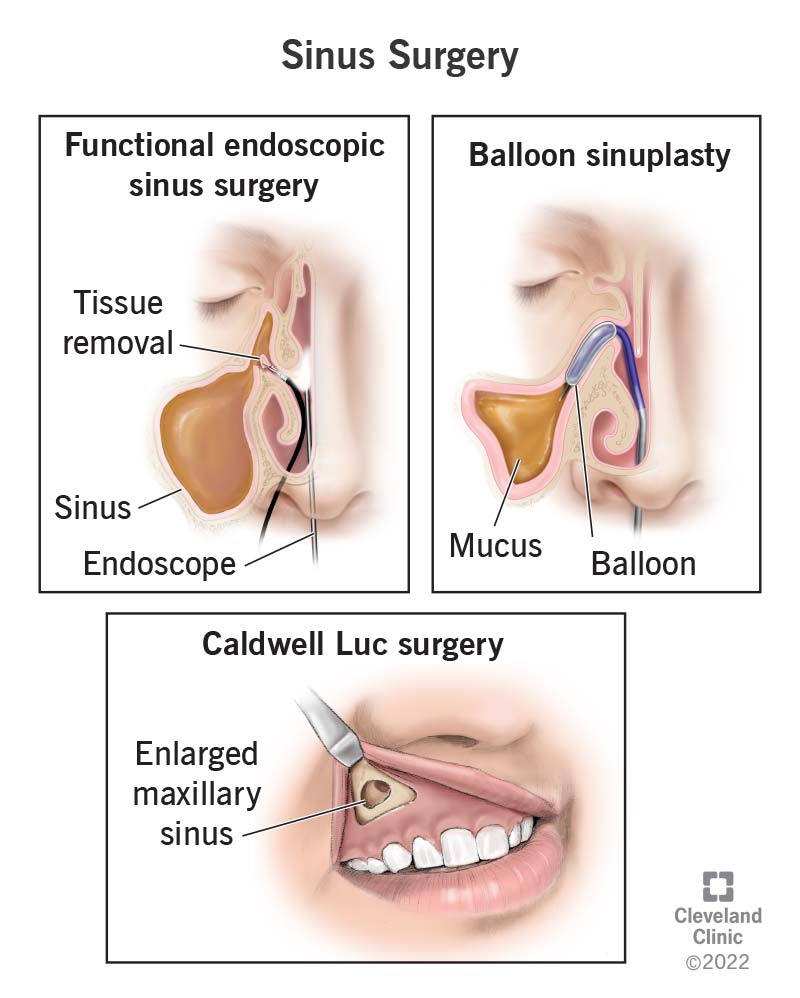
Most people feel back to normal in 1‑2 months after sinus surgery, but a few weeks of congestion, mild pain, and a handful of doctor visits are still part of the journey. Knowing exactly what to expect, which tips really work, and the warning signs that need a call to the surgeon can turn a stressful recovery into a smooth, confidence‑boosting experience.
Overall Recovery Timeline
Below is a realistic, day‑by‑day look at what typically happens after an endoscopic sinus procedure. Remember, everyone heals a little differently, so use this as a roadmap—not a strict rule‑book.
| Time Frame | What You’ll Notice | What to Do |
|---|---|---|
| Day 0 (Surgery Day) | Light anesthesia wear‑off, nasal packing, mild pressure. | Stay reclined, keep head elevated 30°, use prescribed pain reliever. |
| Days 1‑3 | Congestion, possible light bleeding, “cold‑like” feeling. | Gentle saline rinses, avoid blowing nose, hydrate. |
| Week 1‑2 | Swelling peaks, packing removal, sore throat from drainage. | Cold compress on cheeks, continue rinses 3‑4×/day, follow pain med schedule. |
| Weeks 3‑4 | Breathing improves, residual mucus clears. | Resume light activity (short walks), keep nasal spray use low. |
| Weeks 5‑8 | Most symptoms fade, follow‑up appointment scheduled. | Begin normal diet, monitor any lingering smell changes. |
| Months 2‑3 | Full functional recovery for most patients. | Final doctor visit, discuss any long‑term concerns. |
These checkpoints line up with the Johns Hopkins post‑op guidelines, which many ENT specialists reference when counseling patients.
Recovery Tips That Actually Help
There’s a flood of “sinus surgery recovery tips” on the internet, but only a few are backed by clinical experience. Below are the ones I’ve seen work for friends, family, and my own post‑op diary.
Saline Irrigation, The Real MVP
Isotonic saline is the gentle cleanser your sinuses crave. Use a squeeze bottle or neti pot 3‑4 times a day for the first two weeks, then taper as swelling eases. The key is temperature—lukewarm water feels soothing, not shocking.
Pain & Swelling Management
Over‑the‑counter ibuprofen (200 mg) every 6‑8 hours works well for inflammation, while acetaminophen tackles the ache without thinning blood. If your surgeon gave you a prescription steroid spray, start it the night after surgery; it can shave days off the swelling phase.
Eat Soft, Stay Hydrated
Think soups, smoothies, mashed potatoes, and yogurt. Hard, crunchy foods can jostle the healing tissue. Hydration thins mucus, making those saline rinses more effective—aim for at least 2 liters of water a day.
Rest, But Keep Moving Lightly
Bed rest isn’t necessary, but avoid heavy lifting, vigorous cardio, or anything that raises blood pressure for the first 10‑14 days. A gentle walk around the block is perfect—your body gets circulation without stressing the sinuses.
Environment Matters
Dry indoor air can irritate healing mucosa. A cool‑mist humidifier set to 40‑50 % humidity keeps the nasal passages moist. Also, steer clear of smoke, strong perfumes, and dusty rooms for the first month.
Follow‑Up Checklist
When you sit down with your ENT, ask about:
- Any lingering discharge or foul odor.
- Sense of smell—has it returned fully?
- Whether a second look‑endoscopy is needed.
- Long‑term medication plan, if any.
Having these questions ready shows you’re engaged and helps the doctor focus on what matters most to you.
Red‑Flag Signs to Watch For
Most post‑op symptoms are harmless, but a few can signal infection or complications. If you notice any of the following, call your surgeon within 24 hours.
Worsening Pain After Day 5
A steady or sharp increase in pain, especially if it doesn’t improve with your usual meds, can mean inflammation isn’t settling down.
Fever 38 °C (100.4 °F) or Higher
Fever is your body’s alarm bell. Keep a simple thermometer by the bedside and log temperatures for a few days if you’re concerned.
Thick, Yellow/Green Discharge
Clear or slightly pink mucus is normal, but pus‑colored drainage suggests infection. Note the smell—foul odor is another warning sign.
Bleeding Past 48 Hours
Minor spotting can happen, but persistent bright red bleeding needs gentle pressure and a doctor’s review.
Vision Changes or Severe Headache
Rare, but possible if swelling presses on orbital structures. If you experience blurred vision, double vision, or a pounding headache that doesn’t respond to pain meds, head to the ER immediately.
Cost, Value & Long‑Term Outlook
Knowing the financial side helps you weigh “is sinus surgery worth it?” against the daily misery of chronic sinusitis.
Typical Cost Breakdown
In the United States, the average out‑of‑pocket expense ranges from $4,000 to $10,000, depending on insurance coverage, surgeon fees, anesthesia, and facility charges. A quick look at the Medicare payment data gives a solid ballpark.
Is It Worth It?
Quality‑of‑life surveys (like the SNOT‑22 questionnaire) show an average improvement of 30‑40 points after surgery—a meaningful reduction in symptoms such as facial pressure, nasal blockage, and fatigue. For many, that jump translates to more productive workdays and fewer sick days.
Long‑Term Success Rates
Studies from the Cleveland Clinic report that 80‑85 % of patients experience lasting relief at the one‑year mark, with a small percentage needing revision surgery within five years.
Saving Money on the Journey
- Ask your surgeon’s office about pre‑authorizations before the procedure.
- Check if your health‑savings account (HSA) can cover part of the cost.
- Some hospitals offer bundled‑payment plans that reduce surprise bills.
Real‑World Experiences
Stories make the data feel human. Here are three snapshots from people who’ve walked the recovery road.
Case A: The Day‑by‑Day Diary
John, 45, kept a notebook after his surgery. On Day 2 he wrote, “I feel like I have a constant “scratchy throat” and my nose drips like a leaky faucet.” By Day 7, after three saline rinses a day, the drips turned clear and the throat irritation faded. His final note at week 4: “I can finally breathe through my nose without sounding like a vacuum cleaner.”
Case B: Quick Bounce‑Back
Emily, 28, wanted to get back to her Pilates schedule. She followed the light‑activity plan, avoided any heavy lifting, and used a humidifier in her apartment. At the three‑weeks‑after‑sinus‑surgery mark, she was already teaching classes again, crediting the “no‑blowing‑nose” rule and consistent saline rinses for the fast turnaround.
Case C: One Year Later
Mark, 62, had been battling chronic sinus infections for a decade. One year after his endoscopic sinus surgery, his doctor noted a 90 % reduction in infection episodes. Mark describes his life as “finally normal again”—no more morning congestion, no more missed work.
Putting It All Together
Recovery from sinus surgery is a mix of biology, self‑care, and a dash of patience. Keep these core ideas in mind:
- Follow the timeline. Knowing when swelling peaks and when breathing improves removes guesswork.
- Use evidence‑based tips. Saline irrigation, proper pain management, and a moist environment are your best friends.
- Watch for red flags. Fever, worsening pain, or unusual discharge deserve a quick call to your surgeon.
- Consider cost and value. The upfront expense often pays off in fewer sick days and better quality of life.
- Learn from others. Real stories remind us that the journey, while unique for each person, follows recognizable patterns.
Now that you have a day‑by‑day guide, a toolbox of recovery tips, and a clear sense of what “normal” looks like, you’re ready to take charge of your healing process. Do you have a tip that helped you bounce back faster? Or perhaps a question about a symptom you’re still unsure about? Drop a comment below—sharing your experience can make the road smoother for the next person who’s just starting their sinus surgery recovery.
Take care of yourself, stay hydrated, and remember: each gentle rinse and each restful night is a step toward clearer breathing and a brighter tomorrow.