Not medical advice — written by Ngoc Vietsmall, who is not a healthcare professional.
This article summarises publicly available medical information for general readers. It cannot account for your history, medication or symptoms, and it is not a diagnosis or a treatment plan. Any dose mentioned comes from published labelling or guidelines — only your own prescriber can decide what is right for you.
Always speak to a doctor or pharmacist before starting, stopping or changing any treatment. If symptoms are severe or getting worse, seek urgent care. Full disclaimer · How this is written
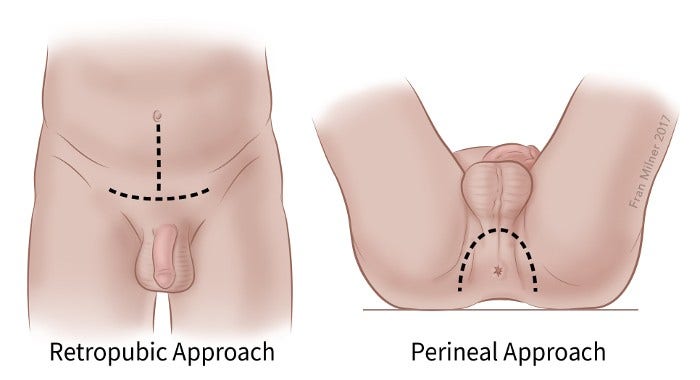
Open prostatectomy is a surgical approach that removes the prostate through a single incision in the lower abdomen or perineum. Its used for cancer thats confined to the gland or for very large benign prostates, and it aims to spare the nerves that control erections and bladder control.
If youre staring at a diagnosis, wondering whether open means oldfashioned, or just curious about what the procedure actually looks like, youre in the right place. Im going to walk you through everything you need to know from why a surgeon might pick this method, to the exact steps in the operating room, and what life looks like afterward.
Why Choose Open?
When is open prostatectomy recommended?
Most men hear about robotic or laparoscopic surgery first, but there are still solid reasons to go open. Large tumors (usually >4cm), a history of pelvic radiation, or a pelvic anatomy that makes minimally invasive access tricky are the biggest red flags. In those situations, an open approach gives the surgeon a direct line of sight and tactile feedback that can make a big difference in removing all of the cancer while protecting critical structures.
Benefits youll actually notice
- Direct visual control: Seeing the prostate and surrounding nerves directly can lower positivemargin rates, meaning fewer leftover cancer cells after surgery. A study published in the Journal of Urology found that experienced surgeons achieve marginnegative rates of 90% or higher with open techniques.
- Proven nervesparing techniques: When the surgeon can feel the neurovascular bundles, it often translates to better recovery of erectile function and urinary continence.
- Predictable timeline: Because the method is decades old, hospitals have welltuned pathways for postop care, hospital stay, and followup.
Prostatectomy Types
What are the main open prostatectomy types?
| Type | Primary Indication | Typical Incision | Nervesparing? |
|---|---|---|---|
| Open Radical Retropubic | Localized cancer | Midline lowerabdomen | Yes (standard) |
| Open Radical Perineal | Cancer when pelvic radiation is contraindicated | Perineal cut | Yes (high continence rates) |
| Simple (Suprapubic) Prostatectomy | Benignenlargement (>80g) | Lower abdomen | No not for cancer |
| Transvesical Simple Prostatectomy | Very large adenoma | Through bladder (via suprapubic incision) | No focused on BPH |
These four types cover virtually everything youll encounter in a urologists toolbox. If youre looking at a simple prostatectomy, youre usually dealing with a noncancerous, extremely enlarged gland thats causing urinary blockage. The radical versions, on the other hand, aim to eradicate cancer completely.
Surgical Steps
Preoperative preparation
Before you ever get into the OR, the team will run a battery of tests: blood work, PSA trends, MRI or CT scans to map the tumor, and a bowel prep if youre headed for a retropubic approach. An anesthesiologist will assess your fitness for general anesthesia, and youll meet the surgeon to review the exact steps thats where the open prostatectomy steps become crystal clear.
Incision & exposure
For a retropubic radical, the surgeon makes a vertical midline cut about 46inches long, just above the pubic bone. The skin is retracted, the rectus muscles are split, and the space behind the pubic symphysis is opened up. In a perineal approach, the incision runs between the scrotum and anus, granting direct access to the prostate without navigating the abdominal cavity.
Prostate removal & nervesparing
Now the real magic happens. The surgeon carefully dissects around the prostate, identifying the neurovascular bundles that sit on either side. These bundles are the wires that carry signals for erections and bladder control. Using fine scissors, electrocautery, and sometimes intraoperative nerve monitoring, the gland is detached and removed while keeping those bundles intact whenever possible.
Reconstruction & closure
After the prostate is out, the surgeon reconnects the bladder neck to the urethra this is called a vesicourethral anastomosis. Sutures are placed in a watertight fashion, and any bleeding points are meticulously cauterized. The incision is then closed layer by layer, often with absorbable sutures for the deeper tissues and a skin closure that can be staples or a subcuticular stitch.
Immediate postop care
A Foley catheter is left in place for about 710days to allow the new connection to heal without pressure. Pain is managed with a combination of opioids, NSAIDs, and sometimes a regional block that was placed before surgery. Early ambulationgetting out of bed and walkingis encouraged within the first 24hours to reduce clot risk.
Risks & Complications
Common shortterm issues
- Blood loss: Open surgery typically results in more intraoperative blood loss than robotic techniques, but most teams have blood conservation protocols.
- Infection: As with any abdominal incision, theres a risk of wound infection; prophylactic antibiotics are standard.
- Urinary leakage: If the vesicourethral anastomosis isnt completely sealed, urine can leak into the abdomen, requiring a brief stay in the hospital.
- Erectile dysfunction: Even with nervesparing, some men experience temporary or permanent changes in sexual function.
Longterm considerations
- Incontinence: Most men regain good control within six months, but a minority may need pelvic floor therapy or, rarely, a sling procedure.
- Bladder neck contracture: Scar tissue can narrow the new bladderurethra connection, causing obstructive symptoms that may need dilation.
- Cancer recurrence: Positive surgical margins are low when the surgery is done by an experienced surgeon, but followup PSA tests are essential.
How surgeons mitigate risk
Highvolume centers (those performing >50 open prostatectomies per year) report significantly better outcomes. Intraoperative nerve monitoring, careful hemostasis, and using the perineal route for selected patients are all strategies that reduce complications.
Realworld case study
Take Mike, a 62yearold accountant diagnosed with a 4cm Gleason7 tumor. He opted for a retropubic radical prostatectomy at a tertiary center. The surgery achieved 0% positive margins, and his PSA dropped to undetectable levels. He noticed mild erectile difficulty for the first three months, but by month nine he reported back to normal, thanks to a short course of PDE5 inhibitors and a disciplined pelvic floor routine.
Recovery & Life Expectancy
Hospital stay & firstweek milestones
Most men leave the hospital after 24days once the catheter is secure and pain is manageable. By day three youll likely be walking around the ward, and the Foley catheter will stay in place for about a week.
4week, 3month, 6month checkpoints
- 4weeks: Catheter removal, initial bladder training, gentle pelvic floor exercises.
- 3months: Most urinary continence is restored; sexual function may still be improving.
- 6months: Full continence for the majority, PSA checked to confirm cancerfree status.
Longterm survival data
When the cancer is organconfined, the 10year cancerspecific survival after open radical prostatectomy exceeds 90% according to the American Cancer Society. Prostate cancer survival statistics show that early detection combined with a successful surgery offers a very favorable outlook.
Lifestyle tips for a smoother comeback
- Commit to daily Kegel exercises theyre the secret weapon for regaining continence.
- Adopt a balanced diet rich in fruits, vegetables, and lean protein to support healing.
- Stay active but avoid heavy lifting for at least six weeks; light walking is perfect.
- Schedule regular PSA checks with your urologist catching any rise early makes all the difference.
Resources & Further Reading
Downloadable guide
Need a stepbystep visual? You can grab a free open prostatectomy procedure PDF from a reputable cancer organization. It walks you through the preop checklist, the incision anatomy, and postop care in plain language.
Slidedeck for visual learners
Some people love a good PowerPoint. A concise open prostatectomy PPT is available through a leading urology association; its perfect for sharing with family members who want the big picture without the medical jargon.
Trusted organizations
- National Cancer Institute (NCI)
- American Urological Association (AUA)
- Mayo Clinic
- Cleveland Clinic
Support groups & survivorship programs
Facing a prostate surgery can feel isolating, but dozens of online forums and local meetups exist where men share their stories, tips on managing side effects, and encouragement. Connecting with others whove walked the same path often speeds up emotional recovery.
Conclusion
Open prostatectomy remains a reliable, wellstudied option for certain prostate cancers and very large benign prostates. It offers direct surgical control, high cure rates, and a predictable recovery when performed by experienced hands. Remember, every patients journey is unique discuss your personal risks and benefits with a trusted urologist, ask about the surgeons volume, and dont hesitate to request the open prostatectomy procedure PDF or PPT to visualize the steps. Armed with knowledge and a supportive team, youre wellpositioned to make the best decision for your health and quality of life.