Not medical advice — written by Ngoc Vietsmall, who is not a healthcare professional.
This article summarises publicly available medical information for general readers. It cannot account for your history, medication or symptoms, and it is not a diagnosis or a treatment plan. Any dose mentioned comes from published labelling or guidelines — only your own prescriber can decide what is right for you.
Always speak to a doctor or pharmacist before starting, stopping or changing any treatment. If symptoms are severe or getting worse, seek urgent care. Full disclaimer · How this is written
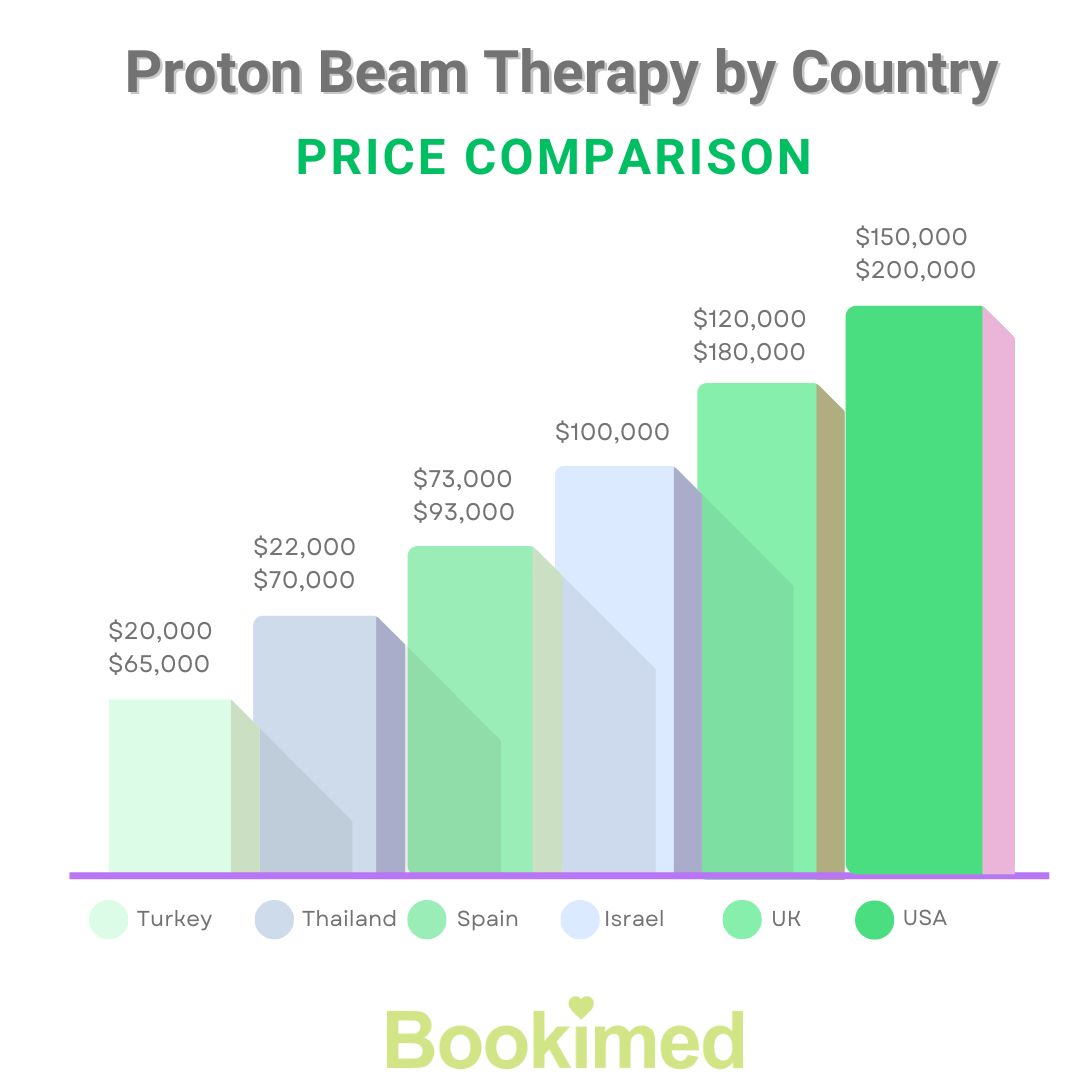
Right off the bat, if youve been Googling this, the quick answer is: youre looking at roughly $4,700$6,700 per treatment session if youre paying out of pocket. When you add up a full courseusually 15 to 30 sessionsthat total can swing anywhere from $25,000 to well over $100,000, depending on where you get treated, what kind of cancer you have, and whether your insurance chips in.Thats a lot to take in, especially when youre already juggling medical appointments, emotions, and a million other questions.
In this post Im going to break everything down in a friendly, nojargon way. Think of it as a coffeeshop chat with a friend whos done a deep dive into the numbers, talked to oncologists, and even heard some personal stories from patients. By the end youll know exactly what influences the price, how proton therapy stacks up against conventional radiation, what your insurance might cover, and which factors to weigh when deciding if its the right move for you.
Quick Cost Summary
Lets start with the numbers youll see on a bill.
| Scenario | Cost per Session | Typical Total (1530sessions) |
|---|---|---|
| Cashpay average (20222024 data) | $4,700$6,700 | $70,500$120,600 |
| Oklahoma Proton Center (2025) | Varies by protocol | $25,000$100,000+ |
| Without insurance (Indicure 2025) | $45,000$65,000 total | |
| Prostate cancer specific (Bookimed 2025) | $1,400$3,500 per session* | $21,000$58,000 total |
*Session costs can be lower for prostate cancer because many centers treat it with fewer fractions.
These ranges feel huge, and thats because they are. But they also give you a rough price ceiling to start budgeting. The next sections explain why the numbers differ so dramatically.
What Drives Price
Number of Treatment Fractions
Proton therapy isnt a oneanddone deal. Most cancers require multiple fractions (sessions) to deliver the total prescribed dose. Pediatric brain tumors, for example, often need 3035 sessions, while some prostate protocols can be as short as 57 highdose fractions. More fractions = higher overall cost, even if the persession price stays steady.
Facility Type & Location
Big names like Mayo Clinic and MD Anderson tend to sit at the higher end of the spectrum because they operate stateoftheart machines and have specialist teams. Smaller regional centerssuch as the Oklahoma Proton Centeroften quote lower totals because they have fewer overhead costs and may offer bundled cashpay discounts.
Technology Used
There are a few flavors of proton delivery:
- Pencilbeam scanning (the most precise, often the priciest).
- Uniformscan (slightly less precise, marginally cheaper).
- Older cyclotronbased setups (cheaper to run but may lack the latest imaging integration).
The more sophisticated the tech, the higher the persession chargebecause the equipment itself costs upwards of $25million to $150million to build and maintain.
Cancer Type & Stage
Proton therapy shines for tumors sitting near critical structureslike a brain tumor hugging the optic nerve or a prostate tumor close to the bladder. Those cases often need higher doses and more meticulous planning, which adds staff time and therefore cost. A simple skin lesion treated with protons would be overkill (and far more expensive) compared to a photon beam.
Insurance Negotiated Rates & Copays
Insurance plans negotiate rates with each center, and those agreements can differ wildly. Some insurers, like Blue Cross Blue Shield, cover 6080% of the cost after prior authorization, while others treat proton therapy as experimental and may deny coverage altogether. When a claim is approved, youll typically see a copay that ranges from a few hundred dollars to a few thousand per session.
Proton vs Radiation
Direct Cost Comparison (CashPay)
Conventional photon IMRT (intensitymodulated radiation therapy) usually runs $2,500$4,000 per session. Proton therapy, as we saw, is about $4,700$6,700. In plain terms, proton therapy can be roughly 80% more expensive per session.
LongTerm Value Considerations
Higher upfront cost might be justified if proton therapy reduces side effects that lead to expensive followup care. For example, a study published in *Radiotherapy & Oncology* found that pediatric patients who received protons had a 30% lower rate of severe neurocognitive decline, which translates to fewer lifelong educational and medical expenses.
That said, the evidence isnt uniform across all cancers. For many adult solid tumorslike many lung cancersclinical trials havent yet proved a clear costbenefit advantage. Thats why a balanced, casebycase discussion with your radiation oncologist is essential.
Insurance & Coverage
Does Blue Cross Blue Shield Cover Proton Therapy for Prostate Cancer?
Blue Cross Blue Shield (BCBS) policies vary by state, but the typical pathway is:
- Physician submits a medical necessity letter.
- BCBS reviews the evidenceoften requiring a peerreview from a radiation oncologist.
- If approved, they cover 6080% of the allowed amount; the remainder becomes your responsibility.
If the initial request is denied, you can appeal with additional documentation (tumor proximity to critical structures, prior radiation side effects, etc.). Many patients succeed on the second or third appeal.
Medicare & Medicaid Policies (2025)
Medicare generally reimburses proton therapy at the same rate as photon therapya policy known as costneutrality. That means if your provider bills more than the Medicare allowance, youll pick up the difference. Medicaid varies by state; some states have experimental clauses that limit coverage.
Private Insurance Negotiated Rates
Large cancer centers sometimes disclose cashpay amounts that are lower than what insurers pay after negotiations, because they dont have to factor in the insurers administrative overhead. Its worth asking the billing office for a selfpay quoteeven if you have insurancebecause you can sometimes use that figure to negotiate a better rate with your insurer.
Actionable Checklist for Patients
- Request a detailed cost estimate. Ask for a lineitem breakdown (machine time, physician fee, planning, anesthesia, etc.).
- Verify preauthorization requirements. Get the list of needed documents early.
- Explore financial assistance programs. Many centers have charitable foundations that cover part of the outofpocket cost.
RealWorld Stories
Prostate Cancer Patient, 58YearOld
Mark (name changed) was diagnosed with lowrisk prostate cancer and opted for proton therapy at a West Coast center. His insurance covered 70% of a $48,000 total course, leaving him with a $14,400 outofpocket bill. He says the sideeffects were barely noticeable compared with his friend who had photon therapy and struggled with urinary urgency for months.
Pediatric Brain Tumor at Mayo Clinic
Eightyearold Mayas family financed a $120,000 proton course through a mix of insurance, a hospital charity, and a crowdfunding campaign. The doctors reported excellent tumor control and, crucially, Maya avoided the severe cognitive decline that can accompany photon radiation in young children.
Proton Beam: A Very Expensive Disappointment
James, a former airforce pilot, chose a proton center 2,000miles from home. He discovered hidden fees: travel, lodging, and daily meals added another $12,000 to his bill. He now advises patients to factor in total cost of care, not just the persession price.
How to Collect Credible Stories
If youre writing your own blog or just want reassurance, consider reaching out to patient advocacy groups, hospital social workers, or even posting in reputable online forums (e.g., Cancer Support Community). Always verify claims with a second sourcelike a peerreviewed study or an official hospital report.
Risks & Drawbacks
High Capital Cost Higher Session Price
Proton machines cost $25million to $150million to build and maintain. Those capital expenses get passed down the line, which is why the persession price is higher than conventional radiation.
Limited Availability Travel & Lodging Expenses
Only about 40 proton centers exist in the United States, mostly in coastal cities. If you live in the Midwest or the South, you may need to relocate temporarily or arrange longterm travel, inflating the overall cost.
Clinical Evidence Gaps
While proton therapy shows clear benefits for certain pediatric cancers and some headandneck tumors, largescale randomized trials for many adult cancers are still ongoing. That means you might be paying a premium for a technology thats not yet proven superior for your specific diagnosis.
QuickTake Box
- Pros: Precise dose delivery, reduced collateral damage, potential longterm qualityoflife benefits.
- Cons: High upfront cost, travel logistics, stillemerging evidence for many indications.
Common Questions
What is the average cost of proton therapy for prostate cancer?
Most centers quote $1,400$3,500 per session for prostate, translating to a total of $21,000$58,000 across a typical course.
Does a proton therapy machine cost affect my bill?
Absolutely. The larger the capital investment, the more the center needs to recoup, which shows up in the persession charge.
Is proton therapy cheaper than conventional radiation?
Per session, noproton therapy is usually 80% more expensive. However, for some patients, the reduced sideeffects can lower downstream medical costs, making it cheaper in the long run.
Making a Decision
Ask the Right Questions of Your Oncologist
When you sit down with your radiation oncologist, try to get answers to these:
- What specific benefit does proton therapy offer for my tumors location and stage?
- Can we see a written cost estimate, including insurance coverage and outofpocket expectations?
- Are there any clinical trials that could reduce my financial burden?
Compare Quotes Across Centers
Build a simple spreadsheet with columns for:
- Facility name
- Persession cost
- Total number of sessions
- Travel & lodging estimate
- Insurance coverage notes
This sidebyside view can reveal hidden savingsfor example, a center that offers a bundled allinclusive price may be cheaper than one that lists every line item separately.
Leverage PatientSupport Resources
Many big cancer hospitals have dedicated financial counselors who can help you navigate insurance appeals, apply for charitable assistance, or connect you with nonprofit foundations that cover part of the cost.
Trust Your Gutand Your Numbers
Choosing a cancer treatment is part science, part personal judgment. If a centers price feels too high, ask why. If the insurance estimate seems vague, demand specifics. You deserve transparency, and the more informed you are, the more confident youll feel about the path you choose.
Conclusion
Proton therapy isnt a onesizefitsall answer, but understanding the cost landscape empowers you to make a decision that balances medical benefits with financial realities. The persession price sits around $4,700$6,700, with total treatment ranging from $25,000 to over $100,000 depending on factors like facility, technology, cancer type, and insurance coverage. By digging into the drivers of price, comparing photon and proton options, checking your insurances stance, and hearing real patient stories, you can weigh the pros and cons with clarity.
If any part of this feels overwhelming, remember youre not alonethere are financial counselors, patient advocates, and even online communities ready to help you navigate the maze. Feel free to reach out, ask more questions, or share your own experience. Your journey matters, and together we can turn those daunting numbers into a plan you can trust.