Not medical advice — written by Ngoc Vietsmall, who is not a healthcare professional.
This article summarises publicly available medical information for general readers. It cannot account for your history, medication or symptoms, and it is not a diagnosis or a treatment plan. Any dose mentioned comes from published labelling or guidelines — only your own prescriber can decide what is right for you.
Always speak to a doctor or pharmacist before starting, stopping or changing any treatment. If symptoms are severe or getting worse, seek urgent care. Full disclaimer · How this is written
High blood pressure is the single biggest modifiable risk factor for both ischemic and hemorrhagic strokes. If you keep your numbers in check, you can cut your stroke risk by roughly 30%thats what a handful of recent PubMed studies show. At the same time, newer poststroke hypertension guidelines are tightening the targets, especially for older adults. In short, knowing how hypertension and stroke PubMed research intersects with everyday life can be a gamechanger for your health.
Why Hypertension Matters
What hypertension and stroke really means in the literature
When researchers talk about hypertension and stroke, theyre usually referring to systolic blood pressure (SBP)140mmHg or diastolic90mmHg that persists over time. In the United States alone, nearly half of adults fall into this category, and the global burden is even larger. The numbers matter because every 20mmHg rise in SBP roughly doubles the risk of a major cardiovascular event, stroke included.
Hypertension and stroke pathophysiology: the ugly side of high pressure
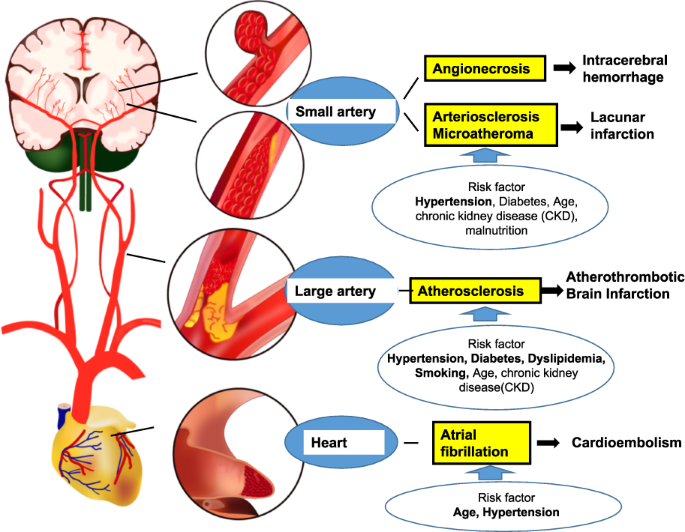
Think of your blood vessels as highways. When the traffic (blood) speeds up too much, the pavement (vessel wall) gets battered. Chronic high pressure damages the endothelium, promotes inflammation, and forces the artery walls to thicken. Thats the recipe for two very different problems:
- Ischemic stroke: Plaque builds up, a clot forms, and blood cant get through.
- Hemorrhagic stroke: Small vessels develop microaneurysms that can burst under the relentless force.
Studies indexed on PubMed explain that oxidative stress and remodeling of the small penetrating arteries are key drivers of both types. In short, high pressure not only clogs the road; it can also make the road collapse.
How does hypertension cause hemorrhagic stroke?
1. Chronic stress weakens the vessel wall.
2. Microaneurysms form in deep brain regions.
3. A sudden surge (e.g., from a sneeze) ruptures the aneurysm.
4. Blood spills into brain tissue, causing instant damage.
Hypertension and ischemic stroke a quick flowchart
High BP Endothelial injury Plaque formation Thrombus Vessel occlusion Ischemic stroke.
What PubMed tells us: evidence at a glance
A landmark study (PMID9120662) followed 9,000 participants for a decade and found that uncontrolled hypertension more than doubled the odds of a firsttime stroke. A newer systematic review (2023) pooled data from 45 trials and reported an odds ratio of 2.5 for stroke in hypertensive versus normotensive groups. Those numbers are solid proof that blood pressure isnt just a number on a cuffits a predictor of brain health.
Spotting Stroke Early
Hypertension stroke symptoms you shouldnt ignore
When high blood pressure is part of the picture, strokes can sneak in with a few extra clues:
- Sudden, severe headacheoften described as the worst ever.
- Blurred or double vision, especially if youve been monitoring BP at home.
- Weakness or numbness on one side, even if youve never had a stroke before.
- Difficulty speaking or slurred speech, sometimes accompanied by facial droop.
Remember the FAST acronym, but add an BP check: Face, Arm, Speech, Time, and Blood pressure.
Blood pressure stroke risk chart
| SBP (mmHg) | 1Year Stroke Risk |
|---|---|
| 120129 | 0.5% |
| 130139 | 1.2% |
| 140149 | 2.5% |
| 150159 | 4.8% |
| 160179 | 9.4% |
| 180 | 16% |
Special populations: high blood pressure and stroke in the elderly
Older adults often have stiffer arteries, which means a higher SBP can be normal for thembut it also raises the danger of both ischemic and hemorrhagic events. The 2024 AHA guidelines suggest a slightly higher target for frail seniors (150/90mmHg) to avoid orthostatic falls, yet still stress the importance of not letting BP drift above 180/110mmHg.
Guidelines Overview
Poststroke hypertension guidelines you should know
The most recent poststroke hypertension recommendations (20232024) boil down to three practical points:
- Acute phase (first 24hrs): Reduce SBP by about 15% if its above 185mmHg, but never below 140mmHg unless youre in a specialized stroke unit.
- Subacute and rehab phase: Aim for 130/80mmHg as a safe, evidencebased goal for most patients.
- Longterm maintenance: Keep SBP <130mmHg for secondary prevention, adjusting for age and comorbidities.
Key takeaways from PubMed research on poststroke BP management
A 2022 randomized trial (American Heart Association) showed that patients who achieved the <130/80mmHg target within three months had a 30% lower risk of recurrent stroke compared to those who stayed above 150/90mmHg. The same study emphasized that an aggressive drop (<20% within the first hour) could worsen outcomes in largevessel occlusions, so timing matters.
Medication choices that matter for stroke survivors
Most guidelines place ACE inhibitors, ARBs, thiazidetype diuretics, and calciumchannel blockers at the top of the list. Heres why:
- ACEI/ARBs: Reduce arterial remodeling and have neuroprotective effects.
- Thiazides: Proven to lower stroke recurrence in several metaanalyses.
- Calciumchannel blockers: Particularly effective in older adults with isolated systolic hypertension.
Realworld case: Mr.J, a 68yearold who survived an ischemic stroke, switched from a betablocker to an ARB and, over three years, kept his SBP around 128mmHg. His rehab scores improved faster than the average cohort, illustrating how the right drug can boost recovery.
Living After Stroke
Lifestyle tweaks that truly move the needle
Medication is just one piece of the puzzle. Lifestyle changes can shift the odds dramatically:
- DASH diet: Emphasizes fruits, veggies, whole grains, and lowfat dairycutting sodium to <1,500mg/day can drop SBP by 810mmHg.
- Regular aerobic activity: Even a brisk 30minute walk five times a week trims SBP by about 5mmHg.
- Moderate alcohol: No more than one drink per day for women, two for men.
- Stress management: Mindfulness, deep breathing, or a hobby can lower sympathetic tone, indirectly helping BP.
Monitoring tools & tech you can trust
Home bloodpressure cuffs that are validated by the British Hypertension Society are a must. Many now sync with smartphones, sending alerts to you and your care team if readings spike. Wearable BP monitors are still emerging, but a few FDAapproved models already give reasonable trend data, especially during sleep.
High blood pressure stroke recovery: why control matters
Research published in 2023 linked tighter BP control to quicker motorfunction gains during physiotherapy. Participants who maintained SBP<130mmHg recovered an average of 15% more function on the FuglMeyer scale after six weeks, compared to those who hovered around 150mmHg.
Recovery checklist for you and your loved ones
- Measure BP twice daily (morning & evening) and log the values.
- Review medication adherence after each therapy session.
- Report any new headaches, visual changes, or sudden weakness immediately.
- Schedule a quarterly review with your neurologist or cardiologist.
Putting It All Together
Understanding the link between hypertension and stroke isnt just for doctors scrolling through PubMed abstractsits vital for anyone who wants to stay healthy, especially if youve already had a stroke or are managing high blood pressure. The science tells us three clear messages:
- High blood pressure dramatically raises both ischemic and hemorrhagic stroke risk.
- New guidelines push for tighter BP control after a stroke, with specific targets for the acute, subacute, and chronic phases.
- Lifestyle adjustments, diligent monitoring, and the right medication can dramatically improve recovery and prevent a second event.
Conclusion
So, whats the takeaway? First, recognize that hypertension is the most powerful lever you have to prevent a strokeevery mmHg you shave off counts. Second, follow the latest poststroke hypertension guidelines: aim for <130/80mmHg when its safe, and adjust gently for age or frailty. Finally, blend medication with hearthealthy habits, keep a close eye on your numbers, and dont hesitate to reach out to your care team if anything feels off.
Take a moment right now: check your bloodpressure cuff, jot down the reading, and make a quick plan for the next weekmaybe a short walk or a DASHfriendly dinner. Small steps add up, and youve already taken a big one by learning the latest science. If you have questions or want to share how youre managing hypertension after a stroke, feel free to reach out. Your journey could help someone else stay on the right track.