Not medical advice — written by Ngoc Vietsmall, who is not a healthcare professional.
This article summarises publicly available medical information for general readers. It cannot account for your history, medication or symptoms, and it is not a diagnosis or a treatment plan. Any dose mentioned comes from published labelling or guidelines — only your own prescriber can decide what is right for you.
Always speak to a doctor or pharmacist before starting, stopping or changing any treatment. If symptoms are severe or getting worse, seek urgent care. Full disclaimer · How this is written
Bottom line: a 5mg tablet of Crestor (rosuvastatin) typically chops LDLC down by about45%, while stepping up to 10mg adds another 57% drop but also nudges the chance of muscle aches, liverenzyme bumps and a slight rise in blood glucose. If your cholesterol isnt skyhigh and youre tolerating the low dose well, youll probably stay on 5mg. Need a deeper cut, or your doctor is aiming for an LDLC under70mg/dL? 10mg may be worth the tradeoffjust keep an eye on sideeffects.
When should you choose which? Think of it like coffee: a splash of caffeine (5mg) wakes you up nicely, but a double shot (10mg) can give you that extra buzz you needif you can handle the jitter.
Why Dosage Matters
Clinical evidence: efficacy numbers
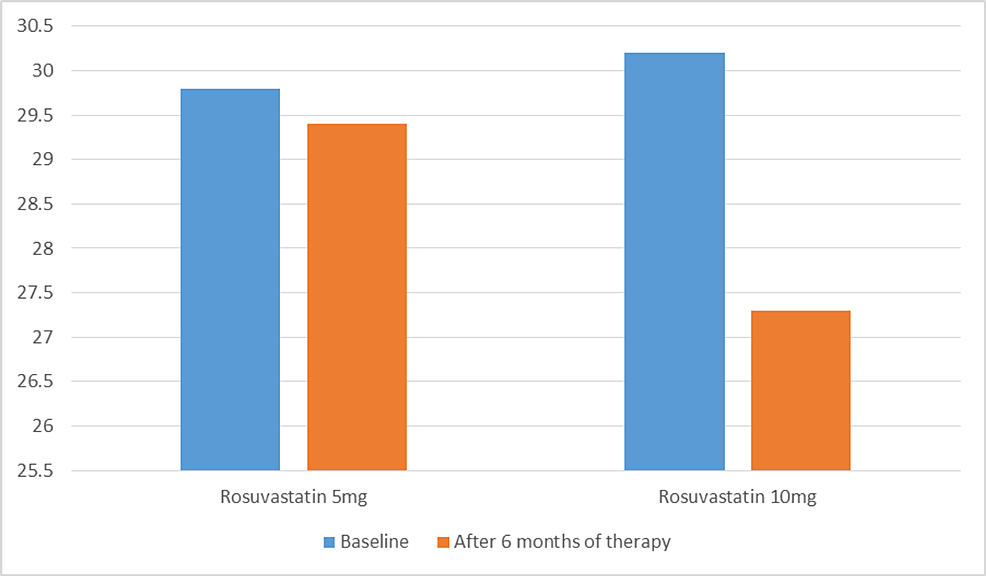
Researchers have compared the two doses in a handful of solid trials. One 2022 study (PMCIDPMC8958143) found that both 5mg and 10mg slashed LDLC effectively, but the higher dose added roughly a 7% extra reduction and also showed a modest uptick in reported sideeffects. An earlier pilot (2006) noted that both doses were well tolerated, though the sample size was tiny, so we treat those results with a pinch of salt.
The American Journal of Cardiology trial from 2003 compared 5mg (n=240) to 10mg (n=226) and reported a statistically significant greater LDL drop at 10mg (p<0.01). Those numbers line up with the doseresponse curves youll see in the official prescribing sheet.
Realworld outcomes: patientreported experience
Scrolling through Reddits r/Cholesterol community, many folks mention that after a few weeks on 5mg they feel just fine and dont notice any muscle soreness. Some who push to 10mg say they get that extra LDL push, but a handful also report that their legs start thinking theyre doing a marathon (a gentle way of describing myalgia). Drugs.coms patient tips echo the same sentiment: start low, especially if you have kidney concerns, and only move up if you truly need that extra knockdown.
Quick comparison table
| Dose | Avg. LDLC Reduction | % Reporting SideEffects* | Typical Use Cases |
|---|---|---|---|
| 5mg | ~45% | 1015% (mild muscle aches, liver enzymes) | Primary prevention, moderate baseline LDLC |
| 10mg | ~5255% | 1822% (more muscle & liver alerts) | Highrisk ASCVD, aggressive LDLC goal |
*Data pulled from the Crestor dosing sheet and the 2022 PMC study.
How Much Will 5mg Lower
Expected LDLC drop per 5mg increment
Think of each 5mg step as a tiny lever on a weightlifting machine: it usually gives you about a 57% extra pull on LDLC. That figure comes straight from the doseresponse curves shown in the AJC article.
Factors that influence the drop
- Baseline LDL level: The higher you start, the bigger absolute drop youll see.
- Age, gender, ethnicity: Some Asian cohorts respond a touch more strongly to rosuvastatin.
- Diet & exercise: Pairing the pill with a hearthealthy diet can shave another 510% off LDLC.
Minicalculator (you can copypaste into a spreadsheet)
LDLC after Crestor = Baseline LDL  (1  %Reduction)
%Reduction = 0.45 for 5mg, 0.52 for 10mg
Plug in your numbers and watch the magic happen! Its a handy way to see whether a 5mg dose already meets your target.
Safety Profile: SideEffects
Common sideeffects (both doses)
Almost everyone on rosuvastatin experiences at least one of these, but theyre usually mild:
- Muscle cramps or achy feeling
- Elevated ALT/AST (liver enzymes) on blood tests
Dosedependent risks
At 5mg, about 12% of patients report significant muscle pain, and true rhabdomyolysis is rare. Bump the dose to 10mg and the musclepain rate climbs to 35%, with a modest rise in fasting glucose for a small slice of folks (the 2022 PMC study hinted at that).
When to stop or switch doses (expert tip box)
Lower the dose or stop if: CK (creatine kinase) climbs above three times the upper limit of normal, or muscle pain persists after a few days of rest.
Consider upping the dose if: After 46weeks on 5mg your LDLC is still above the target and youve had no sideeffects.
Practical Questions Answered
Is 5mg of rosuvastatin enough to lower cholesterol?
For most people whose LDLC sits between 130159mg/dL, 5mg will give you the guidelinerecommended 3050% reduction. If youre in a highrisk category (history of heart attack, diabetes, etc.), your doctor might push for a deeper cut, meaning 10mg could be more appropriate.
Is 5mg of rosuvastatin a lowdose?
Yes! Its the lowest marketed dose worldwide. Compared with older statins, its still potentrosuvastatin 5mg is roughly equivalent to simvastatin 20mg in LDLClowering power.
How does 5mg once a week compare to daily dosing?
Theres no credible evidence to support a weekly schedule. The pharmacokinetics of rosuvastatin favor a steady, oncedaily dose to keep blood levels even. All major guidelines (including the ACC/AHA 2019 lipid management guidelines) recommend daily administration.
Whats the lowest effective dose of Crestor?
That would be 5mg. Clinical trials show about a 45% drop in LDLC at this dose, which is often enough for lowtomoderate risk patients.
How to Choose the Right Dose (DecisionMaking Framework)
Stepbystep guide
- Assess cardiovascular risk: Use an ASCVD risk calculator (you can find one on most major hearthealth sites).
- Set LDLC target: <70mg/dL for high risk, around 100mg/dL for moderate risk.
- Start low: Most clinicians begin with 5mg, especially for older adults or those with kidney issues.
- Recheck labs after 46weeks: If LDLC is still above target and youve had no sideeffects, discuss moving to 10mg.
- Monitor safety: Baseline and followup liver enzymes, CK, and fasting glucose are a must.
Case study 1: Johns steady path
John, 58, came in with an LDLC of 150mg/dL and a 12% 10year ASCVD risk. His doctor started him on 5mg. Six weeks later his LDLC fell to 83mg/dL (a 44% drop) and he felt fineno muscle pain, no liver bumps. John stayed on 5mg and has kept his cholesterol in the 8090mg/dL range ever since.
Case study 2: Maria needs that extra push
Maria, 62, had an LDLC of 170mg/dL and a history of a prior heart attack. After 5mg for a month, her LDLC was still 115mg/dL, above her <70mg/dL goal. She had no sideeffects, so her doctor increased her dose to 10mg. Two months later her LDLC dropped to 68mg/dL, and she remained symptomfree. The modest increase in muscle soreness she did notice was manageable with a short stretch routine.
Myths & Common Misconceptions
Myth: Higher dose always means better outcomes.
The data tell a slightly different story. After the first 5mg, each extra 5mg only nudges LDLC down another 57%. That tiny gain rarely translates into a noticeable reduction in heart attacks, yet it does raise the odds of muscle aches and liver enzyme spikes. So more isnt always merrier.
Myth: You can take Crestor only on an empty stomach.
According to the official prescribing information, rosuvastatin can be taken with or without food. Pick the time of day that best fits your routineconsistency matters more than an empty stomach.
Quick mythbusting bullets
- Higher dose = diminishing LDL returns after 5mg.
- Rosuvastatin works whether you eat breakfast or skip it.
- 5mg is considered a lowdose but still packs strong cholesterollowering power.
- Sideeffects are doserelated, not inevitable.
Sources & Further Reading
- PMCID8958143 (2022) Clinical efficacy & safety of Crestor doses.
- PubMed16860175 (2006) Early pilot study on rosuvastatin tolerability.
- ACC/AHA 2019 Lipid Management Guidelines Recommendations for statin intensity.
- Official Crestor dosing sheet Provides the % reduction and sideeffect percentages.
- Reddit r/Cholesterol community Realworld patient experiences.
Conclusion
To sum it up, 5mg of Crestor is a solid, lowrisk starter that shaves roughly 45% off your LDLC. Bumping up to 10mg gives you a modest extra droparound 57%but also nudges the chance of muscle aches, liverenzyme bumps, and slight glucose changes. The sweet spot lies in matching the dose to your cardiovascular risk, your LDLC target, and how your body tolerates the medication. Use the decisionmaking framework above, keep an eye on your lab results, and have an open conversation with your doctor. If youre still unsure which dose fits your story, feel free to reach out to a healthcare professional for a personalized plan.