Not medical advice — written by Ngoc Vietsmall, who is not a healthcare professional.
This article summarises publicly available medical information for general readers. It cannot account for your history, medication or symptoms, and it is not a diagnosis or a treatment plan. Any dose mentioned comes from published labelling or guidelines — only your own prescriber can decide what is right for you.
Always speak to a doctor or pharmacist before starting, stopping or changing any treatment. If symptoms are severe or getting worse, seek urgent care. Full disclaimer · How this is written
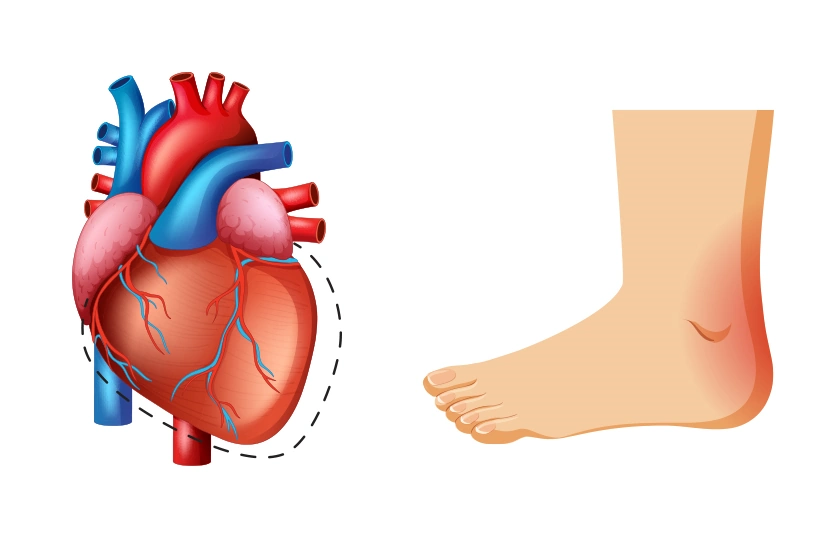
Did you know that the puffiness you see around your ankles could be a direct signal from your heart? If youre living with congestive heart failure (CHF) and notice your feet or lower legs swelling, youre not alone, and there are practical steps you can take right now. Below, Ill walk you through why the swelling happens, what redflag symptoms mean, and most importantly the treatment options that actually work.
Quick Answers
Why do my feet swell with CHF? Fluid builds up because the heart cant pump efficiently, causing blood to pool in your lower limbs.
What can I do today? Start with a lowsodium diet, elevate your legs, and follow your doctors diuretic plan. Small changes add up fast.
Why Swelling Happens
What Is Edema and How Does Heart Failure Cause It?
Edema is just a fancy word for extra fluid hanging out where it shouldnt. In CHF, the hearts weakened pumping action raises pressure in the veins that return blood from your legs. When that pressure gets too high, fluid leaks out of the vessels into surrounding tissues thats the swelling you feel.
Stages of CHF and Swelling Risk
Not all stages of heart failure bring the same level of edema. If youve ever wondered what stage of heart failure is swollen feet? the answer depends on how far the disease has progressed. Below is a quick reference table.
| Stage | Typical Symptoms | Likelihood of Swollen Feet |
|---|---|---|
| I | Asymptomatic, normal activity | Low |
| II | Mild shortness of breath, occasional ankle edema | Moderate |
| III | Marked fatigue, frequent swelling, limited activity | High |
| IV | Severe symptoms, constant swelling, endstage disease | Very High |
For a deeper dive into the four stages, check out the Cleveland Clinic guide on the 4 stages of congestive heart failure. Knowing where you stand helps you anticipate when swelling might become a bigger issue.
Red Flag Signs
What Are the Warning Signs of Worsening Heart Failure in Older Adults?
Age adds a layer of complexity. Older adults often notice a sudden weight gain of more than 2kg (about 5lb) in a day, increased nighttime shortness of breath, or a rapid rise in ankle swelling. These are classic signs that the heart is struggling harder than before.
Do Swollen Ankles Always Mean Heart Failure?
Good question. The short answer: not always. Conditions like venous insufficiency, kidney disease, certain medications (especially calcium channel blockers), or even a recent injury can produce similar puffiness. Thats why its crucial to compare your symptoms with a broader checklist before assuming its all heartrelated.
Left Leg Swelling vs. Right Leg Swelling
Swelling in just one leg (for instance, left leg swelling heart failure) may point to a local issue such as a deepvein thrombosis (DVT) or a lymphedema problem. Bilateral swellingboth legs togetheris more typical of systemic causes like CHF.
Core Treatment Options
MedicationBased Options
Diuretics, often called water pills, are the frontline defense. They tell your kidneys to dump excess fluid, easing the pressure on your veins. Common choices include furosemide (Lasix) and bumetanide. While theyre powerful, they can cause low potassium or dehydration, so regular blood checks are a must.
Beyond diuretics, medications such as ACE inhibitors, ARBs, and betablockers help the heart pump more efficiently and reduce the overall fluid load. These drugs dont just treat swelling; they tackle the root cause by improving cardiac function.
Lifestyle & SelfCare Interventions
Heres where you become your own care manager.
- Salt Reduction: Aim for less than 2grams of sodium per day. Thats about half a teaspoon of salt. It sounds tiny, but the impact on fluid retention is huge.
- Leg Elevation: Prop your feet up on a pillow or a low stool for 1520 minutes, three times a day. Gravity becomes your ally.
- Gentle Exercise: Simple ankle pumps or a short walk (510 minutes) promotes venous return. Even a few minutes a day can make the swelling recede.
- Footwear Choices: Avoid tight shoes. If youre comfortable with compression stockings, wear them only under a doctors guidance they can sometimes worsen swelling if the pressure is too high.
FluidIntake Guidance
Should I stop drinking water? Absolutely not. Staying hydrated helps your kidneys work properly, but youll want to monitor your daily weight. A gain of more than 2kg in 24hours is a red flag that you may need to adjust your diuretic dose.
StepbyStep SwellingControl Routine (Downloadable Checklist)
Imagine a quick morning ritual that takes less than five minutes:
- Weigh yourself first thing after using the bathroom.
- Take your prescribed diuretic with breakfast (unless your doctor says otherwise).
- Elevate your legs for 1520 minutes while you sip a lowsodium beverage.
- Do 10 ankle circles in each direction.
- Record any new swelling or shortness of breath in a small notebook.
Keeping this small checklist on your fridge turns a potentially overwhelming regimen into a habit you can actually stick with.
When to See a Doctor
Thresholds for Urgent Medical Attention
If you notice any of the following, call your healthcare provider or head to the ER:
- Sudden weight gain of >2kg in 24hours.
- Severe shortness of breath at rest.
- Chest pain or pressure.
- Swelling that spreads rapidly despite taking your diuretic.
Understanding Signs of Impending Death from CHF
Its a tough conversation, but its important to be aware of signs of impending death from congestive heart failure. Extreme fatigue, loss of appetite, persistent vomiting, and a sudden decline in mental alertness can signal that the disease is reaching its final stage. Discussing palliativecare options early with your doctor ensures you have support when you need it most.
Resources for Trusted Information
For clear, evidencebased guidance, the NHS page on heartfailure treatment is an excellent reference. It covers medication, lifestyle changes, and when to seek urgent careall written in plain English.
RealWorld Success Stories
Patient Testimonial #1 From Puffy to Playful
John, 68, was diagnosed with StageIII CHF. His ankles swelled so badly he dreaded putting on shoes. After working closely with his cardiologist, he started a lowsalt diet, took his diuretic consistently, and began the legelevation routine. Within six weeks, his daily weight gain stopped, and the puffy feeling lessened. He says, I can finally go to the garden without feeling like my feet are stuck in water.
Patient Testimonial #2 Footwear Made a Difference
Maria, 55, noticed that her right ankle was constantly tight. She thought it was just a shoe issue, but her doctor explained that tight footwear can worsen edema. After switching to roomy sneakers and adding a brief daily anklepump session, her swelling decreased by roughly 30%. It felt like a tiny change that sparked a big improvement, she shares.
Bottom Line & Call to Action
Swollen feet are a common, often distressing symptom of congestive heart failure, but they dont have to control your life. Understanding why the swelling occurs, recognizing the warning signs, and applying a balanced mix of medication, lifestyle tweaks, and selfmonitoring can dramatically improve comfort and quality of life. Remember: a lowsalt diet, regular leg elevation, and diligent diuretic use are your first line of defense, while immediate medical attention is essential if you notice rapid changes or severe symptoms.
Take the next step todaytrack your weight, try the simple elevation routine, and talk to your heartfailure team about finetuning your treatment plan. If youve tried any of these tips or have a question thats still nagging at you, Id love to hear about it. Your experience could help someone else feeling the same heavyfoot frustration. Lets keep the conversation going and support each other on this journey.