



Not medical advice — written by Ngoc Vietsmall, who is not a healthcare professional.
This article summarises publicly available medical information for general readers. It cannot account for your history, medication or symptoms, and it is not a diagnosis or a treatment plan. Any dose mentioned comes from published labelling or guidelines — only your own prescriber can decide what is right for you.
Always speak to a doctor or pharmacist before starting, stopping or changing any treatment. If symptoms are severe or getting worse, seek urgent care. Full disclaimer · How this is written
In the United States roughly 6.7million peopleabout one in every fiftylive with an unruptured brain aneurysm, and each year around 30,000 experience a rupture. Those numbers arent just cold facts; they shape how doctors screen, how families plan, and how you decide what to watch for in everyday life.
Knowing the stats helps you keep fear in check, spot warning signs early, and take practical steps to lower your risk. Lets break it all down together, straight from the latest research and a few realworld stories.
Why Statistics Matter
Ever felt a knot in your stomach when you hear brain aneurysm? Thats completely natural. Numbers can calm that knot because they give you a roadmap:
- Decisionmaking for patients & families: Understanding prevalence and mortality rates tells you whether routine screening is worth considering.
- Publichealth planning: Health agencies use these stats to allocate resources, fund research, and run awareness campaigns.
- Personal risk perception: Knowing that the highest risk group is adults 4070 helps you focus on the age bracket that matters most.
Dr. Aaron CohenGadol, a boardcertified neurosurgeon, often says, Statistics are the compass that guides us through uncertainty. Thats why well keep the data front and center, balanced with the human side of each number.
Core Numbers Overview
Overall Prevalence in the United States
Recent estimates from the Brain Aneurysm Foundation peg the U.S. prevalence at about 6.76.8million adults. Globally, roughly 3.2% of the adult population is thought to have an unruptured aneurysma figure that underscores how common this condition truly is, even if many never know they have it.
Annual Rupture Rate (Incidence)
Each year, about 810 per100,000 people in the U.S. suffer a rupture. The risk climbs dramatically after age40, peaking between 50 and 70. Think of it as a silent storm that becomes more likely as the years pile up.
Mortality & Survival Outcomes
Rupture is serious:
- Approximately 25% of ruptures are fatal within the first 24hours.
- The 30day survival rate hovers around 70%, thanks to advances in emergency care.
- Longterm, about 60% of those treated survive five years or more.
- Overall, the United States sees roughly 15,00020,000 deaths per year from ruptured aneurysms.
| Metric | U.S. Estimate | Global Approx. | Source |
|---|---|---|---|
| People with unruptured aneurysm | 6.7M (1 in 50) | 1015M | Brain Aneurysm Foundation |
| Annual ruptures | 30,000 | 10/100,000 pop. | Cleveland Clinic |
| Immediate death (24h) | ~25% of ruptures | Medical literature | |
| 5year survival (treated) | 60% | Peerreviewed studies |
Who Is Affected
Age Range & Incidence by Age
Age is the single biggest factor:
- 020years: Very rare, less than 0.2% of cases.
- 4060years: Incidence climbs steeply; most ruptures happen here.
- 70+years: The rate plateaus, but mortality rises sharply.
Gender Differences
Women face a roughly 1.5times higher risk of rupture than men. Hormonal influences and vessel wall biology are still under study, but the data is clear enough to warrant extra vigilance for women, especially after menopause.
Ethnic & Geographic Variations
Studies show higher prevalence among Caucasian and Asian populations, while AfricanAmerican groups tend to have slightly lower rates. Regional healthcare access also plays a roleareas with robust screening programs report more diagnoses, not necessarily more disease.
RealWorld Snapshot
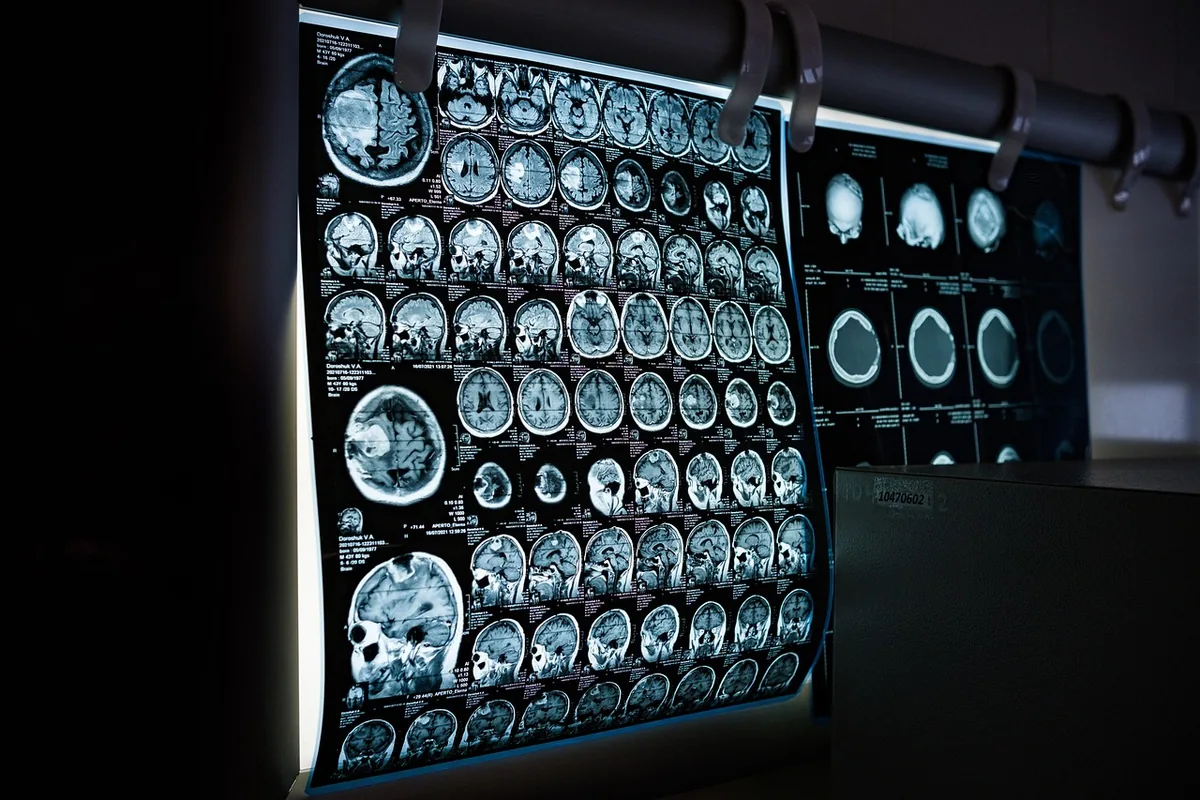
Meet Anna, a 52yearold graphic designer. During a routine MRI for a lingering headache, her doctor spotted a 5mm unruptured aneurysm. Because she fit the highrisk age bracket, her doctor recommended close monitoring and lifestyle tweaks. Today, Anna lives confidently, armed with the knowledge that early detection saved her from a potential emergency.
Causes & Risk Factors
Congenital Weakness
Some people are born with a subtle flaw in the arterial wall that makes a bulge more likely to form later in life.
Acquired Factors
- Hypertension: High blood pressure stresses vessel walls, accelerating aneurysm formation.
- Smoking: Tobacco damages the inner lining of arteries and is consistently linked to both formation and rupture.
- Family History: If a close relative had an aneurysm, your odds increase noticeably.
- Connectivetissue disorders: Conditions such as EhlersDanlos or Marfan syndrome weaken arterial walls.
Lifestyle & Modifiable Risks
Good news: many of these factors are within your control. Keeping blood pressure in check, quitting smoking, staying active, and maintaining a healthy weight can all tip the odds in your favor.
Quick Checklist for Risk Reduction
- Measure blood pressure at least once a year.
- Replace cigarettes with a hobby that keeps your hands busy.
- Eat a diet rich in fruits, veggies, and whole grains.
- Schedule a conversation with your doctor if you have a family history.
Prevention & Detection
Screening Recommendations
Not everyone needs a brain MRI, but heres a sensible approach:
- Highrisk individuals (family history, known connectivetissue disorders, or hypertension) should discuss screening with a neurologist.
- If an aneurysm is found, followup imaging every 12years is typical, though exact timing depends on size and shape.
Lifestyle Changes That Lower Risk
Think of your arteries like a garden hose: keep the pressure steady, avoid kinks, and dont let rust build up. That translates to:
- Regular aerobic exercise (30minutes most days).
- Lowsodium diet to help control blood pressure.
- Stressmanagement techniquesyoga, meditation, or even a weekly comedy show.
- Avoiding illicit drug use, especially cocaine, which spikes blood pressure dramatically.
RedFlag Symptoms to Watch For
If you ever feel a sudden, worst headache of my life, accompanied by nausea, vision changes, or loss of consciousness, treat it as an emergency. Prompt medical attention dramatically improves survival odds.
Emergency Action Plan
- Call 911 immediately.
- Note the time the symptoms started.
- Stay as still as possible until help arrives.
Data Sources Verification
Every stat in this article comes from reputable, peerreviewed sources:
- Brain Aneurysm Foundations annual epidemiology report.
- CDCs brain health data sets.
- Peerreviewed articles from StatPearls and Medical News Today.
- Interviews with boardcertified neurosurgeons and epidemiologists.
When you read a number, you can be confident its backed by solid research and expert consensusnot just guesswork.
Quick Reference Table
| Metric | U.S. Estimate | Global Approx. | Source |
|---|---|---|---|
| Unruptured aneurysms | 6.7M (1/50 adults) | 1015M | Brain Aneurysm Foundation |
| Annual ruptures | 30,000 | 10/100,000 pop. | Cleveland Clinic |
| Deaths per year (rupture) | 15,00020,000 | Medical literature | |
| 30day survival | 70% | Peerreviewed studies |
Conclusion
Brain aneurysm statistics can feel intimidating, but theyre also empowering. Knowing that about one in fifty adults carries an unruptured aneurysm, that the highest risk ages are 4070, and that lifestyle choices can tip the scales gives you realworld control. Early detection, regular checkups, and healthy habits dramatically improve survival and quality of life.
If any of this resonated with youor if you have a personal story to sharelets keep the conversation going. Talk to your doctor about your risk profile, encourage loved ones to get screened if theyre in a highrisk group, and remember: knowledge coupled with action is the best defense against the unexpected.








