Not medical advice — written by Ngoc Vietsmall, who is not a healthcare professional.
This article summarises publicly available medical information for general readers. It cannot account for your history, medication or symptoms, and it is not a diagnosis or a treatment plan. Any dose mentioned comes from published labelling or guidelines — only your own prescriber can decide what is right for you.
Always speak to a doctor or pharmacist before starting, stopping or changing any treatment. If symptoms are severe or getting worse, seek urgent care. Full disclaimer · How this is written
For men diagnosed with a Gleason7 prostate cancer, the tenyear diseasespecific survival hovers between roughly 76% and 92%, depending on whether the score is 3+4 or 4+3. In plain English: most patients live many more years, but the exact odds shift based on a handful of key factors.
Why does this matter? Because those percentages translate into reallife decisions about treatment, quality of life, and future planning. Below well walk through the data, share stories from folks whove been there, and give you tools (yes, a lifeexpectancy calculator) to make sense of your own numbers.
Understanding Gleason 7
What Is a Gleason Score?
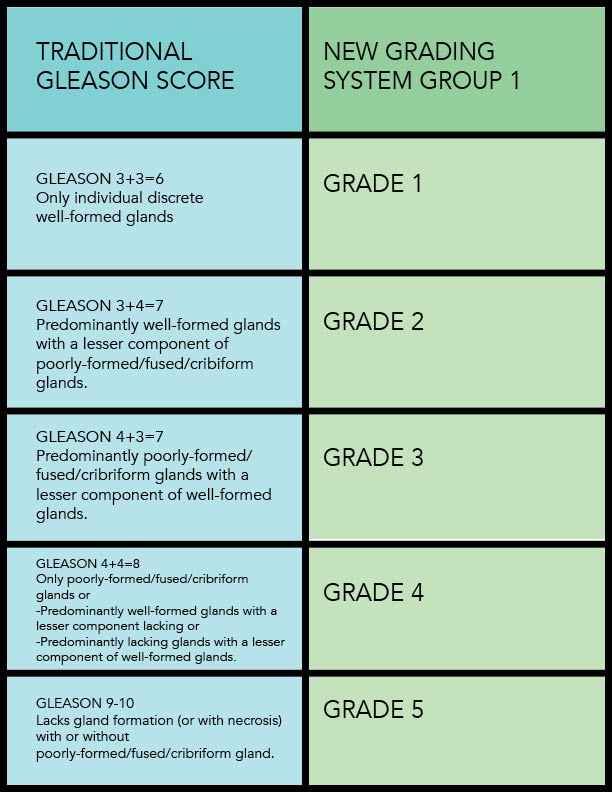
The Gleason system grades prostate cancer cells on how they look under a microscope. Scores range from 6 (least aggressive) to 10 (most aggressive). A Gleason7 means two patterns are present: the first number (primary) shows the most common pattern, the second (secondary) the next most common. So 3+4 and 4+3 are both 7, but theyre not identical twins.
Why Gleason7 Is the Gray Zone
About onethird of all prostate cancer diagnoses land in the Gleason7 bucket. Its a gray zone because the disease can behave like a lowergrade tumor (if its 3+4) or march toward a highergrade pattern (if its 4+3). This split is why clinicians tease them apart when they talk about survival.
Key Metrics That Shift Survival
Aside from the Gleason pattern itself, doctors look at PSA level, clinical stage (Tstage), patient age, and other health conditions. All of these variables feed into the survival calculators youll see later.
How Doctors Calculate the Survival Rate
Survival rates come from large cohort studies using KaplanMeier curves and competingrisk analyses. In plain speak, they track thousands of men over many years, note who dies from prostate cancer versus other causes, and plot the percentages. For a deep dive, see a study in JAMA that breaks down the numbers by Gleason pattern.
Survival Numbers
Overall 10Year ProstateCancerSpecific Survival
When the primary pattern is 3 (3+4), the tenyear cancerspecific survival is about 92%. Flip the script to a primary pattern of 4 (4+3) and the figure drops to roughly 76%.
Comparative Survival Across Gleason Grades
| Gleason Score | 10Year Survival |
|---|---|
| 6 (Lowrisk) | 98% |
| 3+4 (Intermediate) | 92% |
| 4+3 (IntermediateHigh) | 76% |
| 8 (Highrisk) | 70% |
| 910 (Very Highrisk) | 60% |
AgeAdjusted Survival Curves
Age matters a lot. A healthy 55yearold with Gleason3+4 can expect a tenyear cancerspecific survival of 95%, while a 75yearold with the same score might see it dip to 85% because other health issues start to compete.
What the Life Expectancy Calculator Shows
Webbased tools (for example, the RoswellPark estimator) ask for your age, PSA, stage, and Gleason pattern. Plugging in a 62yearold, PSA7ng/mL, T2a, Gleason4+3 will typically give a 10year prostatecancerspecific life expectancy around 68%. The same inputs with a 3+4 score push that number above 80%.
Survival Without Treatment
Active surveillancewatchful waiting with regular PSA checks and biopsiescan be safe for many men with Gleason3+4, especially if the tumor is small and PSA is low. Data from the Mayo Clinic suggest that roughly 1520% of men on surveillance eventually need definitive treatment, but the majority stay cancerfree for a decade.
3+4 vs 4+3
Why 4+3 Carries Higher Risk
The primary pattern (the first number) tells doctors which type of cancer cells dominate. A primary pattern of 4 indicates a larger share of more aggressive cells, which explains the steeper dropoff in survival after five years.
Case Study A 68YearOld, 3+4
John was diagnosed after a routine PSA test. His Gleason came back 3+4, PSA 6, T2b. He opted for radical prostatectomy. Five years later, hes cancerfree, with a PSA of 0.1, and enjoys hiking with his grandkids. His story reflects the high cure rate seen in 3+4 patients who receive definitive treatment.
Case Study B 62YearOld, 4+3
Mikes biopsy showed 4+3, PSA 10, T2a. He chose external beam radiation combined with shortterm androgen deprivation because his oncologist warned about the higher risk. Six years on, his PSA is undetectable, but he does experience occasional urinary urgencya tradeoff hes willing to accept for peace of mind.
When Active Surveillance Is Safe
Guidelines from the NCCN recommend active surveillance for most men with Gleason3+4 who have PSA<10ng/mL, low tumor volume, and a life expectancy of at least 10years. For Gleason4+3, the recommendation leans more toward treatment, though a few lowvolume cases may still be monitored.
Treatment Options for Gleason4+3
Options include radical prostatectomy, external beam radiation, brachytherapy (seed implants), and newer focal therapies. Each comes with its own sideeffect profile, which well unpack in the next section.
Common Questions
What Is the Gleason7 Survival Rate?
Tenyear prostatecancerspecific survival is about 92% for 3+4 and 76% for 4+3.
Can Gleason7 Be Cured?
Yes. Many men achieve longterm remission, especially when the primary pattern is 3. Cure rates climb when the disease is caught early and treated with surgery or radiation.
How Does a Gleason7 Life Expectancy Calculator Work?
It combines age, PSA, tumor stage, and Gleason pattern into a statistical model derived from large patient cohorts. The output is an estimate of how many years youre likely to live without dying from prostate cancer.
What Are the Treatment Options for Gleason4+3?
Radical prostatectomy, external beam radiation, brachytherapy, and androgen deprivation therapy (ADT) are the mainstays. Decision aids can help you weigh risks like incontinence or erectile dysfunction against survival benefits.
Is Gleason8 Survival Rate With Radiation Better Than Surgery?
Recent comparative trials show overall 10year survival near 70% for both radiation and surgery in Gleason8 disease, with slightly lower urinary side effects for radiation but higher bowel irritation. The choice often hinges on personal priorities.
What If I Choose No Treatment?
Choosing active surveillance means regular PSA checks, repeat MRIs, and occasional biopsies. While the cancer may progress, many men live comfortably for years without ever needing curative therapy.
Benefits & Risks
Benefits of Early Treatment
Definitive therapy drastically lowers the chance of metastasis and can increase diseasespecific survival, especially for Gleason4+3.
Risks & SideEffects
Potential complications include urinary incontinence (1015% after surgery), erectile dysfunction (2030% depending on nervesparing techniques), and bowel irritation after radiation. The NCCN provides detailed percentages you can discuss with your doctor.
QualityofLife Tools
Patientreported outcome measures like PROMIS help quantify how treatment impacts daily life. Bringing these scores to your consult can make the conversation more concrete.
Shared DecisionMaking
Ask your urologist these questions: Whats my exact Gleason pattern? How does my PSA compare to others of my age? What are the pros and cons of surgery versus radiation for my specific case? Decision aids (including the Gleason7 life expectancy calculator) can keep the discussion focused.
Future Outlook: New Therapies
Emerging focal ablation techniques, immunotherapy trials, and nextgeneration hormone blockers are showing promise for men with intermediaterisk disease. While still experimental, they may eventually broaden the cure basket.
Take Action
Step 1: Clarify Your Pathology Report
Ask your doctor to read out the primary and secondary Gleason numbers, the PSA level, and the clinical stage. Knowing whether you have 3+4 or 4+3 is the first decisive step.
Step 2: Run a Personalized Calculator
Visit a reputable site like the RoswellPark estimator, enter your age, PSA, stage, and Gleason pattern, and note the 10year survival estimate. This number becomes a baseline for future decisions.
Step 3: Talk to a Specialist
Prepare a short list of questions (use the FAQ section above as a cheatsheet). Bring a friend or family member to the appointment if you feel nervousthey can help remember details.
Step 4: Consider a Second Opinion
When the Gleason pattern is 4+3 or youre facing a highdose radiation plan, a second opinion can confirm the treatment pathway or reveal alternatives you hadnt considered.
Step 5: Join a Support Community
Online forums like the Cancer.org community or the Mayo Clinic prostate cancer group let you hear realworld stories, ask practical questions, and feel less alone.
Conclusion
Gleason7 isnt a single, static numberits a spectrum. A 3+4 diagnosis offers a tenyear cancerspecific survival around 92%, while a 4+3 lands closer to 76%. Age, PSA, tumor stage, and treatment choices all shift those odds. By demystifying the data, looking at real patient stories, and using reliable calculators, you can turn abstract percentages into personal, actionable insight. Take the time to gather information, ask honest questions, and lean on trusted medical voices. If you or someone you love is navigating this journey, remember youre not aloneknowledge, empathy, and a supportive community can make the road ahead a lot clearer and less scary.