



Not medical advice — written by Ngoc Vietsmall, who is not a healthcare professional.
This article summarises publicly available medical information for general readers. It cannot account for your history, medication or symptoms, and it is not a diagnosis or a treatment plan. Any dose mentioned comes from published labelling or guidelines — only your own prescriber can decide what is right for you.
Always speak to a doctor or pharmacist before starting, stopping or changing any treatment. If symptoms are severe or getting worse, seek urgent care. Full disclaimer · How this is written
Imagine having a tiny sensor that can tell you exactly how well your exit door works. Thats essentially what anorectal manometry does it measures the pressure of the muscles in your rectum and anus so doctors can pinpoint why you might be dealing with constipation, incontinence, or that mysterious pelvicfloor pain.
Why does this matter? Because a clear picture of whats happening inside can fasttrack you to the right therapy, whether its a simple diet tweak, targeted biofeedback, or, in rare cases, surgery. Below is a friendly, stepbystep guide that walks you through everything you need to know from why the test is ordered, to how to prepare, what the numbers mean, and what comes next.
Why Doctors Recommend
What conditions can anorectal manometry diagnose?
The test shines a light on a handful of common but often confusing problems:
- Chronic constipation and slowtransit bowel disorders
- Fecal incontinence or urgency
- Anorectal pain syndromes (think levator ani syndrome)
- Hirschsprung disease and other motility disorders in children and adults
How does the test fit into a broader treatment plan?
Think of the manometry report as a road map. Your gastroenterologist can align the map with possible routes: pelvicfloor physical therapy, medication, diet changes, or surgical options. According to a study published in the Journal of Gastroenterology & Hepatology, patients who receive a clear manometryguided plan often see symptom improvement within 68 weeks.
Realworld example
Maria, a 38yearold teacher, spent years battling stuck bowel movements. After an anorectal manometry revealed low squeeze pressure, she began biofeedback therapy and, within two months, reported a 70% reduction in discomfort. Her story illustrates how the test translates numbers into real relief.
Procedure StepbyStep
What actually happens during the test?
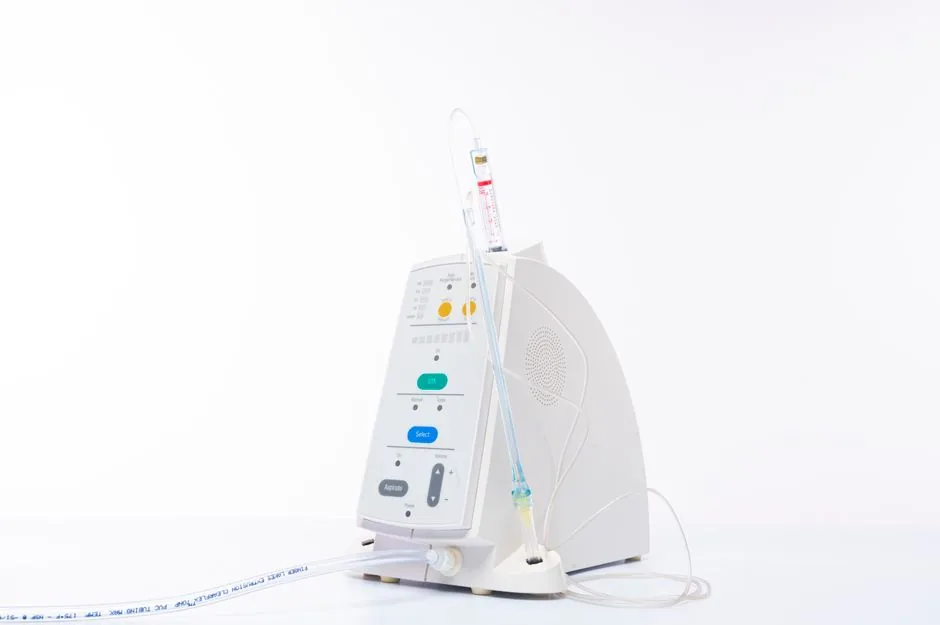
First, a nurse gently inserts a thin, flexible catheter (about the width of a pen) into your rectum. The catheter contains tiny pressure sensors that record:
- Resting tone the baseline pressure when youre relaxed
- Squeeze pressure how strong you can contract the anal sphincter
- Rectal sensation the point at which you first feel water, then the urge to go, then discomfort
How painful is it?
Most patients describe the sensation as a mild pressure, not pain. On a scale of 110, average pain scores sit around 2. If youre nervous, remember that its a quick office visit usually under an hour and you can ask for a small waterbased lubricant to make insertion smoother.
How to prepare (anorectal manometry prep)
Preparation is simple but crucial for accurate results:
- Morning of the test: Take a gentle enema or a saline rinse about 23 hours before your appointment. This clears solid stool without emptying the rectum completely.
- Diet: Stick to light meals (toast, yogurt, broth) the day before. Avoid heavy, fatty foods and large amounts of fiber.
- Medication: Unless your doctor says otherwise, keep your regular meds; just skip any laxatives or stimulant colonics.
- Clothing: Wear loose, easytoremove clothing. Youll be asked to lie on your side or back with knees drawn to the chest.
Printable prep cheatsheet
Feel free to copy the list into your phone notes a quick glance the night before can calm any lastminute jitters.
Reading Your Results
What do typical result categories look like?
A standard report includes three key sections:
- Resting pressure (mmHg): Normal range is roughly 4080. Lower numbers may suggest sphincter weakness.
- Squeeze pressure (mmHg): Healthy adults usually achieve 150250 during a maximal squeeze.
- Sensory thresholds (ml): First sensation, urge, and discomfort are measured in milliliters of water infused into the rectum.
How to interpret abnormal findings (anorectal manometry abnormal results)
Heres a quick cheatsheet:
| Metric | Normal | Abnormal (Low) | Abnormal (High) |
|---|---|---|---|
| Resting Pressure | 4080 mmHg | <40 Potential sphincter laxity | >80 Hypertonic sphincter |
| Squeeze Pressure | 150250 mmHg | <150 Weak voluntary contraction | >250 Possible dyssynergia |
| First Sensation | 1030 ml | >30 Reduced rectal sensitivity | <10 Hypersensitivity |
Sample report walkthrough
Picture a report that reads: Resting pressure 35mmHg (low), squeeze pressure 120mmHg (low), first sensation 45ml (high). In laymans terms, the sphincter isnt gripping tightly enough, and the rectum isnt sensing fullness early enough a classic picture of dyssynergic defecation. Your doctor might recommend biofeedback to retrain those muscles.
Cost & Insurance
Typical price range (anorectal manometry test cost)
In the United States, the outofpocket cost can vary widely:
- Hospitalbased centers: $250$500
- Specialty gastroenterology clinics: $500$800
According to Cleveland Clinic pricing data, many facilities offer a selfpay discount if you ask up front, potentially shaving off 1015%.
Is it covered by insurance?
The procedure uses CPT code 91010, which most major insurers, including Medicare, list as a covered diagnostic test when ordered for medically indicated reasons (e.g., chronic constipation, incontinence). Always verify with your providers billing office and ask for a preauthorization letter to avoid surprise bills.
Tips for reducing outofpocket cost
- Ask about a cashpay rate.
- Check if your health savings account (HSA) can be used.
- Inquire whether the hospitals charity care program applies.
Benefits vs Risks
Benefits of getting an anorectal manometry diagnosis
When you finally know whats wrong, you can target treatment directly. This means:
- Faster symptom relief (often within weeks)
- Avoiding unnecessary medications or surgeries
- Greater confidence in discussing your condition with a therapist or surgeon
Potential sideeffects & safety profile
The test is noninvasive, uses no radiation, and is performed on an outpatient basis. Minor sideeffects might include:
- Transient cramping or a feeling of fullness
- Very slight bleeding that stops on its own
Serious complications are rare (<0.1%). If you experience prolonged pain or heavy bleeding, contact your clinic promptly.
Balancing pros & cons when the test is worth it
Ask yourself these questions:
- Have you tried diet changes, fiber, and overthecounter meds for at least three months without relief?
- Do you experience daily urgency, accidental leakage, or a sensation of incomplete emptying?
- Is surgery being considered, and do you need objective data to guide that decision?
If you answered yes to any of these, anorectal manometry is likely the next logical step.
Decisiontree graphic (text version)
Persistent symptoms? Yes Have you tried basic measures? No Try lifestyle first.
If yes Manometry indicated? Yes Schedule test.
Next Steps After Test
Interpreting results with your doctor key questions to ask
When you get the report, bring these questions to the appointment:
- What does my pressure pattern tell us about the root cause of my symptoms?
- Which treatment options target the specific abnormality I have?
- How long will it take to see improvement with the recommended therapy?
Common followup therapies
Based on the findings, doctors often suggest one or more of the following:
- Biofeedback therapy: A pelvicfloor specialist uses visual feedback to teach you how to contract and relax the right muscles. Success rates hover around 7080% for dyssynergia.
- Medications: Fiber supplements, stool softeners, or topical agents for anal fissures.
- Surgical options: Reserved for severe sphincter defects or confirmed Hirschsprung disease in children.
Success story snippet
John, a 45yearold accountant, discovered through manometry that his squeeze pressure was only 110mmHg. After ten weeks of biofeedback, his pressure rose to 180mmHg and his nighttime accidents disappeared. It felt like I finally got my bodys secret language translated, he says.
Conclusion
In short, anorectal manometry treatment isnt just a fancy phrase its a practical, lowrisk tool that can cut through months of guesswork and point you straight to the therapy that actually works for you. Understanding why doctors order the test, how to prepare, what the numbers mean, and what comes after empowers you to make confident, informed choices.
If youve been wrestling with persistent constipation, incontinence, or unexplained pelvicfloor pain, consider talking to a gastroenterologist about a manometry evaluation. Download the free prep cheatsheet, ask about insurance coverage, and take the first step toward clearer, more comfortable days ahead.








