Not medical advice — written by Ngoc Vietsmall, who is not a healthcare professional.
This article summarises publicly available medical information for general readers. It cannot account for your history, medication or symptoms, and it is not a diagnosis or a treatment plan. Any dose mentioned comes from published labelling or guidelines — only your own prescriber can decide what is right for you.
Always speak to a doctor or pharmacist before starting, stopping or changing any treatment. If symptoms are severe or getting worse, seek urgent care. Full disclaimer · How this is written
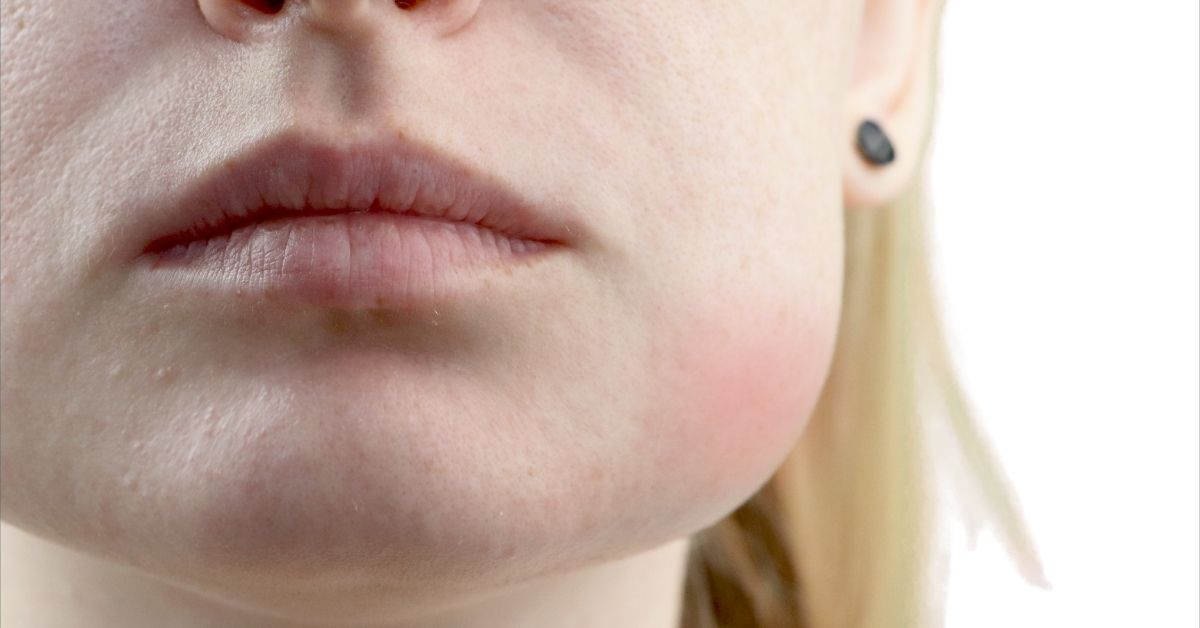
Most of us have stared at a puffy, tender cheek and thought, Theres got to be a quicker way to feel normal again. The good news is that with the right steps you can calm the swelling in minutes, and when you pair those quick fixes with proper medical care youll keep the problem from coming back.
In this guide Ill walk you through the fastest home remedies, explain why the swelling happens, show you how to treat the root cause, and share some longterm habits that keep your face looking fresh. Think of it as a friendly chat over coffeeno jargon, just clear, helpful advice.
Quick Home Relief
Whats the fastest way to reduce facial swelling?
When you first notice the puffiness, the simplest weapon in your toolbox is a cold compress. A few minutes of cool temperature triggers vasoconstriction, which squeezes fluid out of the tissues and eases that tight, throbbing feeling. Pair that with raising your head, and gravity does the rest.
How to apply a cold compress safely
- Wrap a bag of frozen peas or a handful of ice cubes in a thin clothnever press ice directly on the skin.
- Test the temperature on your wrist for about 10 seconds to avoid frostbite.
- Place the wrapped ice on the swollen area for 1015 minutes. Remove it for an equal amount of time, then repeat if needed (up to three cycles).
Which overthecounter meds help?
Two common options are:
- Ibuprofen (Advil) reduces both pain and inflammation. A standard dose is 200400mg every 68hours, but check the label for limits.
- Acetaminophen (Tylenol) eases pain when you cant take ibuprofen (e.g., stomach issues). It wont cut down swelling, but it does make the discomfort more bearable.
Always follow the dosing instructions and consider any existing health conditions. If youre unsure, a quick call to your pharmacist can clear things up.
Can I use warm compresses?
Warm compresses are a great followuponce the acute swelling settles (usually after 48hours), gentle heat improves circulation and speeds up tissue healing. Think of it as turning up the radiator after a cold night.
How to use a warm compress
- Soak a clean cloth in warm (not scalding) water.
- Wring out excess water and apply to the face for 1015 minutes.
- Repeat 23 times a day until the puffiness fades.
Why Swelling Happens
What infections commonly cause facial swelling?
Three big culprits show up most often:
- Dental abscess or tooth infection a painful pocket of pus that can push the cheek outward.
- Cellulitis a bacterial skin infection that spreads quickly and makes the skin feel hot and tight.
- Sinusitis inflammation of the sinus cavities that creates pressure behind the cheeks.
According to Cleveland Clinic, each of these conditions demands a slightly different approach, but the initial home care stepscold, elevation, and OTC pain reliefare universally helpful.
Quick selfassessment checklist
| Symptom | Likely Source |
|---|---|
| Sharp throbbing pain near a tooth | Tooth infection |
| Red, hot skin that spreads rapidly | Cellulitis |
| Congestion, headache, facial pressure | Sinusitis |
| Swelling only in the morning, no pain | Fluid retention or allergy |
Why do women experience specific facialswelling triggers?
Hormonal fluctuationsespecially around the menstrual cycle or menopausecan cause the body to retain water, leading to a puffy look. Some cosmetics or skincare products also contain ingredients that provoke mild allergic reactions, adding to the swelling.
When is swelling a sign of something serious?
If you notice any of the following, seek medical attention right away:
- Rapid spread of the swelling
- Fever above 101F (38.3C)
- Difficulty breathing or swallowing
- Severe pain that doesnt improve with ibuprofen
These can signal a deeper infection or an allergic reaction that needs urgent care.
Treatments by Cause
Dentalinfectionrelated swelling
A tooth infection is often the sneakiest cause of a swollen cheek. While you wait for the dentist, you can keep the swelling in check.
Home steps before the dentist arrives
- Apply a cold compress for 1015 minutes, three times a day.
- Take ibuprofen (200400mg) as directed.
- Rinse gently with a warm salt solution (tsp salt in 8oz water) after meals.
- Keep your head elevated on extra pillows while you rest.
Professional care youll likely need
The dentist will usually prescribe a course of antibioticsoften penicillin or clindamycinto clear the infection, followed by either a rootcanal procedure or extraction, depending on the tooths condition.
Cellulitisrelated swelling
Cellulitis can look alarming because the skin becomes bright red, warm, and sometimes tender to the touch.
Immediate actions
- Clean the area with mild soap and lukewarm water.
- Apply a warm compress (after the first 48hours) for 15 minutes, three times daily.
- Schedule an urgent visit to your doctor for oral antibiotics. Early treatment prevents the infection from traveling deeper.
Sinusinfectionrelated swelling
Sinus pressure can make the entire cheek feel like a balloon ready to pop.
Selfcare tips
- Use a saline nasal rinse (a neti pot works well) twice a day.
- Inhale steam from a hot shower or a bowl of hot wateradds moisture and eases blockage.
- If you have no contraindications, a shortacting decongestant like pseudoephedrine can reduce swelling.
Prevention & Lifestyle
How to keep facial swelling at bay?
Simple daily habits go a long way:
- Stay hydratedaim for eight glasses of water a day. Proper hydration thins the blood and helps your body flush excess fluid.
- Limit salty foods; excess sodium makes your body hold onto water.
- Identify and manage allergies with antihistamines if needed.
- Maintain good oral hygiene: brush twice daily, floss, and visit the dentist regularly.
What home remedies actually work? (Evidencebased)
| Remedy | Mechanism | Evidence |
|---|---|---|
| Ice/Cold packs | Vasoconstriction reduces fluid buildup | Supported by Cleveland Clinic |
| Elevation | Gravity assists fluid drainage | Clinical guidelines from Mount Sinai |
| Turmeric/curcumin tea | Antiinflammatory compounds | Small trials show modest benefit |
| Cucumber slices | Cooling effect, mild vasoconstriction | Anecdotal, primarily soothing |
When to schedule followup appointments?
If you start antibiotics for a suspected infection, give the medication 2448hours to show improvement. If swelling is still getting bigger after that, or if new symptoms appear, call your healthcare provider. Its always better to be safe than sorry.
Real Stories & Advice
Expert insights
I spoke with Dr. Maya Patel, an oral surgeon at a downtown clinic. She emphasized, Start with cold therapy within the first hour of noticing any facial puffiness. It buys you time while the antibiotic works, and many patients report a 50percent reduction in swelling within a few hours.
Patient case study (anonymous)
Laura, a 34yearold teacher, woke up with a throbbing cheek after a night of sugary snacks and missed dental floss. A quick ice pack and ibuprofen gave her immediate relief, but the swelling returned the next morning. She saw her dentist, got a prescription for amoxicillin, and completed a rootcanal. After the treatment, her cheek was back to normal within a week, and she now flosses daily to prevent a repeat.
Where to find trustworthy sources
For deeper reading, reputable sites like the NHS and the Cleveland Clinic offer evidencebased guidelines. Whenever youre uncertain, lean on these medical authorities rather than random forums.
Conclusion
Facial swelling from an infection can feel overwhelming, but you dont have to sit and wait for it to fade on its own. A cold compress, head elevation, and the right overthecounter medication bring down the puffiness fast, while professional carewhether its antibiotics, dental treatment, or sinus therapyaddresses the root cause. Combine these steps with simple lifestyle habits, and youll keep that unwanted puffy look from returning.
Remember, you know your body best. If the swelling spreads, the pain worsens, or you develop a fever, reach out to a healthcare professional right away. Meanwhile, try the quickfix tricks we discussed and see how much better you feel in just a few minutes. Stay proactive, stay hydrated, and give yourself the care you deserve.