



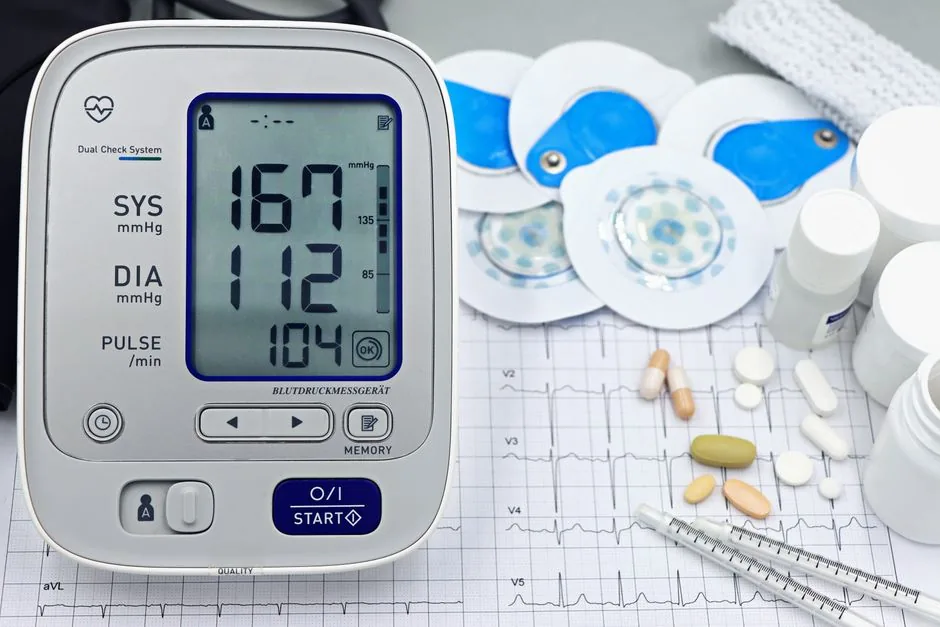
Not medical advice — written by Ngoc Vietsmall, who is not a healthcare professional.
This article summarises publicly available medical information for general readers. It cannot account for your history, medication or symptoms, and it is not a diagnosis or a treatment plan. Any dose mentioned comes from published labelling or guidelines — only your own prescriber can decide what is right for you.
Always speak to a doctor or pharmacist before starting, stopping or changing any treatment. If symptoms are severe or getting worse, seek urgent care. Full disclaimer · How this is written
In advanced pulmonary hypertension (PH), the body can send strong warning signals: severe shortness of breath even while sitting, chest pressure, rapid heartbeats, swollen ankles, and a bluish tint on the lips. Recognizing these symptoms can help you seek medical care early and connect with supportive care that focuses on comfort and quality of life.
Quick Symptom Checklist
Core symptoms you can't ignore
Here's a list of symptoms that can appear in advanced PH. If you or someone you care for notices these, contact a healthcare provider or seek emergency care as appropriate.
- Severe shortness of breath at rest — you may have trouble catching your breath even when sitting or lying down.
- Chest pain or pressure — sometimes described as a tight band around the chest.
- Rapid or irregular heartbeat (palpitations).
- Peripheral edema — swelling in the ankles, feet, or sometimes the abdomen.
- Cyanosis — a bluish hue on the lips or fingertips.
- Persistent cough — dry, hacking, or frothy, and sometimes mistaken for asthma.
- Fatigue and fainting spells (syncope).
When a symptom becomes an emergency
Sudden collapse, intense chest pain, or a feeling that you cannot get any air at all can be an emergency. If that happens, call 911 immediately. These moments can signal that the heart is struggling to pump blood through narrowed pulmonary arteries.
Real-world example
Maria, 48, thought her relentless fatigue was work stress. One night she woke up struggling to breathe, her lips turned blue, and she could not sit up without gasping. Emergency medical care helped stabilize her breathing, and she was later diagnosed with advanced PH.
Understanding EndStage PH
How the disease progresses
PH can progress through several stages, from milder symptoms to more advanced disease. In later stages, the right side of the heart may have trouble pushing blood through the narrowed blood vessels in the lungs, which can lead to fluid buildup in the body.
Why these symptoms appear
High pressure in the pulmonary arteries can force the right side of the heart to work harder. Over time, the heart muscle may weaken, fluid can accumulate, and symptoms such as breathlessness, chest discomfort, and swelling may develop.
Data point
Major medical centers, including Mayo Clinic, describe severe shortness of breath and leg swelling as common concerns in advanced pulmonary hypertension.
Deep Dive into Symptoms
Shortness of breath (dyspnea)
Shortness of breath can start only with exertion and later become noticeable at rest. Some people use a scale such as the Borg Rating of Perceived Exertion to describe breathing effort. If breathing feels very difficult even at rest, that may be a signal to seek medical attention.
Patient story
John, a former marathon runner, found himself stopping every few minutes just to use supplemental oxygen. "I felt like my lungs were a balloon about to burst," he said.
Chest pain & discomfort
Chest discomfort can feel like squeezing or pressure. It may be related to strain on the right side of the heart, and it sometimes improves when sitting upright and worsens when lying down.
Pulmonary hypertension cough
A dry or sometimes frothy cough can occur when increased pressure in the lung blood vessels irritates the airways. Any new cough, fever, or change in sputum should be evaluated by a clinician.
Edema & fluid retention
Swelling often starts in the ankles and feet and may move upward. Shoes may feel tighter, or there may be a sudden weight gain. These changes can be signs that fluid is building up in the body, including in the abdomen.
Fatigue, dizziness & syncope
When the heart is not able to pump enough oxygen-rich blood, people may feel very tired, lightheaded, or faint. Fainting can happen after standing up quickly.
Cyanosis & skin color changes
A bluish tint on the lips or fingertips can be a sign that oxygen levels in the blood are low. This deserves urgent medical attention.
Frequently Asked Questions
Is dying from pulmonary hypertension painful?
Pain and breathlessness can be part of advanced PH, but supportive and palliative care can help manage these symptoms. The focus is often on comfort and reducing distress rather than suffering.
End-stage pulmonary hypertension: what to expect?
As PH advances, care may involve more frequent medical visits, possible continuous oxygen or other prescribed therapies, and a greater focus on comfort and quality of life. Emotional support for the person and family can be as important as medical care.
How do pulmonary hypertension patients die?
In advanced PH, the most serious concern is often right-sided heart failure. Some people may also develop respiratory failure as the lungs are less able to exchange oxygen.
Is there a miracle cure for pulmonary hypertension?
There is no proven single cure for pulmonary hypertension. Prescribed treatments may help slow progression and manage symptoms, but outcomes vary from person to person.
Can I reverse pulmonary hypertension naturally?
Lifestyle approaches such as low-salt eating, gentle activity, and stress reduction may support overall health and symptom management, but they are not a substitute for prescribed treatment. Any changes should be discussed with a healthcare provider.
What about stories of people who say they cured their pulmonary hypertension?
Stories about cures can be incomplete. Some people may have been diagnosed early and received aggressive combination treatment, which can make outcomes look different from person to person. It is wise to review any alternative ideas with a specialist.
Managing Symptoms Effectively
Medical therapies for end-stage PH
In advanced PH, healthcare providers may consider prescribed treatments such as continuous prostacyclin infusions, soluble guanylate cyclase stimulators, or inhaled nitric oxide in certain settings. The table below summarizes common drug classes, but the choice and dose of any treatment is determined by the person's own prescriber.
| Class | Typical Agents | Commonly Discussed Goal |
|---|---|---|
| Prostacyclin analogs | Epoprostenol, Treprostinil | May help widen blood vessels and support exercise tolerance |
| Endothelin receptor antagonists | Bosentan, Ambrisentan | May affect blood vessel changes |
| Phosphodiesterase-5 inhibitors | Sildenafil, Tadalafil | May support nitric oxide signaling |
Palliative care approaches
When the focus shifts to comfort, healthcare teams may use medicines to help ease breathlessness and reduce anxiety. Positioning strategies, such as propping yourself up with pillows, can also be used to help make breathing feel easier.
Nonpharmacologic support
Some daily habits can provide comfort and support:
- Breathing exercises: pursed-lip breathing may help keep airways open.
- Nutrition: small, frequent meals with adequate protein may help maintain strength.
- Fluid management: keeping a daily weight log can help spot fluid changes early.
- Gentle movement: light stretches or seated movement may help maintain muscle strength without overexertion.
Caregiver checklist
If you are caring for someone, you may find it helpful to track these items:
- Daily weight, if recommended by the care team.
- Oxygen saturation, if a healthcare provider has asked you to monitor it.
- Medication schedule and when doses were given.
- Any new swelling or skin color changes.
- Contact the care team promptly if symptoms worsen.
Myths and Realities
If I take my meds, I'll never get to end-stage.
Medications can slow progression for many people, but they are not a guarantee against progression. Genetics, disease subtype, and other health conditions can all play a role.
All coughs mean infection.
A dry, stubborn cough can be related to PH rather than an infection. Still, any new fever, sputum, or cough change should be evaluated by a healthcare provider.
Natural remedies can replace prescription drugs.
Some supplements may help with anxiety or other symptoms, but they can also interact with prescribed medications. It is important to discuss any supplement or herbal remedy with a cardiologist or other prescriber.
Trusted Resources & Help
Reliable medical sites
For current information, the American Heart Association and the Pulmonary Hypertension Association (PHA) offer patient-friendly fact sheets and directories of specialist centers.
Support groups and advocacy
Connecting with others facing the same condition can help reduce isolation. Online forums hosted by the PHA or local support groups provide spaces to share stories, ask questions, and find practical tips.
Quick-action guide (downloadable)
A printable 12-Hour Symptom Tracker can help log breathing difficulty, chest pain levels, and swelling in real time, which may make conversations with healthcare providers clearer.
Conclusion
End-stage pulmonary hypertension is not just a list of clinical signs; it is a deeply personal experience that reshapes daily life. Symptoms such as persistent breathlessness, chest pressure, rapid heartbeat, swelling, cyanosis, and a nagging cough can be important clues that prompt timely medical attention and supportive care. By understanding why these signals appear, separating myth from fact, and using trusted resources, you can seek care that focuses on comfort and dignity. Keep the symptom checklist close, stay in touch with a healthcare provider, and consider reaching out to support communities. You are not alone in this experience, and support can help you navigate the road ahead.








