Not medical advice — written by Ngoc Vietsmall, who is not a healthcare professional.
This article summarises publicly available medical information for general readers. It cannot account for your history, medication or symptoms, and it is not a diagnosis or a treatment plan. Any dose mentioned comes from published labelling or guidelines — only your own prescriber can decide what is right for you.
Always speak to a doctor or pharmacist before starting, stopping or changing any treatment. If symptoms are severe or getting worse, seek urgent care. Full disclaimer · How this is written
Ever feel a stubborn knot in your neck or thigh that just wont quit? That little knot is likely a trigger point a hyperirritable spot inside a muscle that can cause local pain, a twitch, or even send aches to somewhere else in your body. Below youll discover what sparks these knots, how long they usually linger, and the safest ways to melt them away, so you can stop guessing and start feeling better.
The Science Behind
What Exactly Is a Trigger Point?
A trigger point is a tiny, hypersensitive nodule that forms in a tight band of muscle fibers. When you press on it, you might feel a sharp jab, a dull ache, or a jump that travels to another spot. This phenomenon is called referred pain. There are two flavors: active points that cause ongoing pain, and latent points that are quiet until you press them.
How Do Trigger Points Form?
Think of your muscles like a rubber band. Overstretch, sudden trauma, or repetitive strain can cause that band to develop tiny kinks. Common culprits include:
- Poor posture slouching at a desk for hours.
- Repetitive motions typing, lifting, or cycling.
- Stress and dehydration muscles tighten when youre stressed or low on fluids.
- Direct injury a bump or sprain.
According to a review in the Journal of Orthopaedic & Sports Physical Therapy, these factors can overload muscle fibers, leading to the development of trigger points.
Common Syndromes Linked to Trigger Points
Trigger points are behind many everyday aches:
- Neck and shoulder tension.
- Lowerback stiffness.
- Hip or gluteal pain that radiates down the leg.
- Headaches that start at the base of the skull.
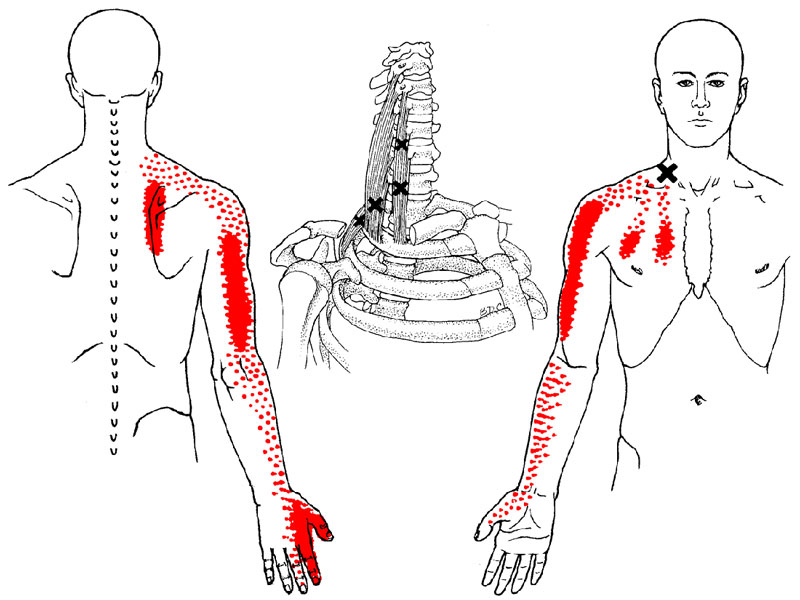
QuickReference TriggerPoints Chart (PDF)
If you love visual guides, a downloadable trigger points chart pdf can help you locate the most common knots on the body. Keep it handy when youre stretching or massaging.
Recognizing Trigger Points
Typical Locations & Referral Patterns
Heres a quick cheatsheet of where youll most often feel a knot and where that pain might travel:
| Spot | Referred Pain Area |
|---|---|
| Upper Trapezius | Side of head & ear |
| Levator Scapulae | Behind the ear, down the neck |
| Gluteus Medius | Outer thigh & knee |
| Quadriceps (Rectus Femoris) | Front of knee |
| Hamstring | Calf & behind knee |
How to Test for a Trigger Point (SelfAssessment)
Give yourself a quick knot check:
- Find a tight band by gently sliding your fingers across the muscle.
- Press firmly (about 45kg of pressure) for 510 seconds.
- If you feel a local twitch or the pain shoots elsewhere, youve likely hit a trigger point.
- Stop if the pain spikes above a 7outof10 rating youre overpressuring.
RealWorld Example: Sarahs Shoulder Knot
Sarah, a graphic designer, complained of a persistent ache behind her ear. She pressed the upper trapezius and felt a sharp jump that traveled up her scalp. A quick selfassessment confirmed an active trigger point, and after a few days of foamrolling, the pain faded. Stories like Sarahs remind us that these knots are common and often selfmanageable.
Healing Timeframe
Factors That Influence Healing Time
Not all knots are created equal. Recovery depends on:
- Acute vs. chronic nature fresh knots heal faster.
- Frequency of treatment regular release speeds up recovery.
- Underlying causes poor posture or ongoing stress can prolong healing.
- Individual health age, hydration, and overall fitness matter.
Typical Timelines (Average Estimates)
While everyones body is unique, most people notice improvement within these windows:
- Acute knot: 27days with consistent selfrelease.
- Chronic knot: 26weeks, sometimes longer if the cause isnt addressed.
Patience is key. Rushing the process with excessive pressure can actually set the knot back.
Expert Insight
Physical therapist Mark Jenkins says, A gentle, regular routine beats an aggressive, occasional session every month. Consistency retrains the muscle fibers and prevents new knots from forming.
Safe Release Techniques
SelfRelease Methods
Here are three friendfriendly ways to work out those knots on your own:
Foam Rolling
Lay the foam roller under the problematic muscle, roll slowly (12inches per second), and pause on any tender spot for 2030 seconds. Aim for 35 minutes per session, 23 times a day.
Massage Balls
A tennis or lacrosse ball can target smaller areas like the shoulder blade or hip. Press the ball against a wall, lean into the knot, and hold the pressure for 3045 seconds while breathing deeply.
Manual Pressure
Use your thumb or fingers to apply steady pressure directly on the nodule. A useful rule: Press until you feel a gentle twitch, then hold for 1015 seconds, release, and repeat 35 times.
Professional Treatments
When knots are stubborn, a trained clinician can help:
- Dry Needling: Thin filiform needles stimulate the trigger point, causing a quick twitch and release.
- TriggerPoint Injections: A small dose of anesthetic or saline is injected directly into the knot, providing rapid relief. The Mayo Clinic notes this is especially useful for chronic points.
- Manual Therapy: Licensed massage therapists or physiotherapists use handson techniques to stretch the muscle fiber and reset its tension.
What Happens When a Trigger Point Is Released?
Usually youll feel a brief surge of discomfort or a twitch sensation, followed by a warm, relaxed feeling in the muscle. Some people notice a temporary soreness that fades in a day or two thats just the tissue resetting.
Comparison: SelfRelease vs. Professional Treatment
| Method | Cost | Time to Relief | Risks | Ideal For |
|---|---|---|---|---|
| Foam Roller | Low | 13days | Overpressure, bruising | Mild/acute knots |
| Massage Ball | LowMedium | 24days | Localized soreness | Smaller, hardtoreach knots |
| Dry Needling | MediumHigh | Hoursdays | Minor bleeding, soreness | Chronic or deep knots |
| TriggerPoint Injection | MediumHigh | ImmediateHours | Bruising, infection (rare) | Severe, persistent knots |
Safety Checklist (RiskBenefit Balance)
- Stop if pain spikes >7/10.
- Avoid treating areas with open wounds, severe swelling, or recent surgery.
- Pregnant individuals should consult a professional before selfmassaging the abdomen or lower back.
- If you have a chronic condition (fibromyalgia, rheumatoid arthritis), get medical clearance first.
Preventing New Knots
Lifestyle Tweaks That Reduce Knot Formation
Simple habits can keep muscles happy:
- Set a timer to stand and stretch every 45minutes.
- Keep a water bottle at your desk aim for at least 2L daily.
- Adjust your workstation: monitor at eye level, feet flat, elbows at 90.
Stretching & Strengthening Routine
Try this 5minute knotbuster circuit once a day:
- Neck Release: Tilt head left, right, forward, and back, holding 15seconds each.
- Shoulder Shrugs: Lift shoulders to ears, then roll back; repeat 10 times.
- Hip Flexor Stretch: Lunge forward, keep back leg straight, hold 30seconds each side.
- Hamstring Glide: Sit, extend one leg, reach toward toes; hold 20seconds each.
- Glute Squeeze: Lie on back, squeeze glutes for 5 seconds, release; repeat 15 times.
When to See a Professional
If the pain sticks around for more than two weeks, spreads to unexpected areas, or interferes with daily tasks, its time to book an appointment with a physiotherapist or a qualified massage therapist. They can pinpoint hidden knots and design a personalized plan.
Quick FAQ Bits
What are trigger points?
Small, hyperirritable spots inside a tight muscle band that cause local and referred pain.
How do I know if I have a trigger point?
Press the tight area; a local twitch or pain that radiates elsewhere signals a trigger point.
How long does it take to heal a trigger point?
Acute knots: 27days; chronic knots: 26weeks with consistent care.
Can I release trigger points at home?
Yes foam rollers, massage balls, and manual pressure work for most mild to moderate knots. Severe or persistent knots may need a professionals touch.
What causes trigger points?
Muscle overload, poor posture, repetitive motions, stress, dehydration, and direct injury are the usual suspects.
Conclusion
Trigger points are a common, often misunderstood source of everyday aches, but they dont have to control your life. By understanding what creates these knots, how long they typically linger, and which safe, evidencebased methods melt them away, you can take charge of your own comfort. Grab a trigger points chart, try the gentle selfrelease techniques, and keep an eye on posture and hydration. If a knot refuses to budge, dont hesitate to reach out to a qualified therapist they have the tools and expertise to help you move forward painfree. Whats your goto method for easing muscle tension? Share your story; you might just help a fellow reader find relief.