Not medical advice — written by Ngoc Vietsmall, who is not a healthcare professional.
This article summarises publicly available medical information for general readers. It cannot account for your history, medication or symptoms, and it is not a diagnosis or a treatment plan. Any dose mentioned comes from published labelling or guidelines — only your own prescriber can decide what is right for you.
Always speak to a doctor or pharmacist before starting, stopping or changing any treatment. If symptoms are severe or getting worse, seek urgent care. Full disclaimer · How this is written
Hey there, mamatobe! If youve ever felt that little what now? flutter when a doctor mentions pelvicfloor work, youre not alone. The good news? A few gentle squeezes can seriously boost comfort during pregnancy, smooth the way for labor, and help you bounce back faster after birth. Lets skip the fluff and dive straight into what you need to knowwhen to start, how to do it safely, and why it matters.
Quick Answer Overview
What are pelvicfloor exercises and why do they matter?
Pelvicfloor exercises (often called Kegels) are tiny, controlled squeezes that tighten the muscles supporting your bladder, uterus, and bowels. Think of them as a secret support crew that helps keep leaks at bay, eases the pressure of a growing belly, and can even shorten the pushing stage of labor. In short, a strong pelvic floor = more confidence and less hassle.
Timing & Duration
When should you start?
From the moment you hear youre pregnant, you can safely begin. The first trimester is actually the perfect window: your muscles are still fresh, and you can build good habits before your belly gets heavy.
How does the routine change in the 2nd trimester?
Around weeks1326 you can step up the game. Add quickpulse squeezesshort, rapid contractions that resemble tiny drumbeats. They keep the muscles alert without adding strain.
What about the 3rd trimester?
When youre in weeks2740, the focus shifts to shorter, more frequent squeezes. Standing Kegels and gentle squatpress combos work well because they dont require you to lie flat, which can become uncomfortable.
When should you modify or pause?
Listen to your body. If you feel pelvic pain, notice any bleeding, or sense unusual pressure, dial back or pause. A quick check with your midwife or a pelvicfloor physiotherapist can clear up any doubts.
Exercise Library
Below is a handy cheatsheet you can print, save as a PDF, or pin to your fridge. Each move is broken down by trimester, reps, and a simple cue to keep you on track.
| Exercise | Trimester | Reps / Duration | Key Cue | Picture Idea |
|---|---|---|---|---|
| Standard Kegel | All | 5sec hold 10 reps, 3/day | Squeeze as if stopping pee midstream | Pelvic floor diagram (NHS) |
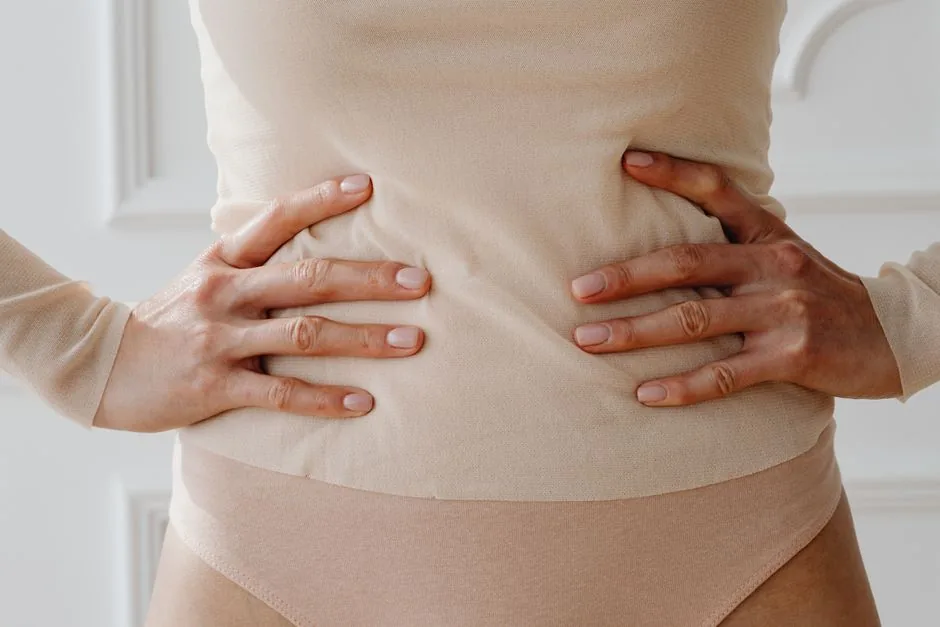
| QuickPulse Kegel | 2nd3rd | 1sec squeeze, 1sec release, 15 reps | Fast, tiny taps | Handonbelly cue photo |
| Standing Kegel with Hip Flex | 3rd | 5sec hold 8 reps | Stand tall, squeeze, lift knee | Minisquat + squeeze GIF |
| Pelvic Tilt + Squeeze | 2nd | 3sec lift, 5sec squeeze, 10 reps | Press lower back into mat, then tighten | Illustration from Pregnancy Birth & Baby |
| Supine Bridge + Kegel | 3rd (if comfy) | 5sec bridge, 5sec squeeze, 8 reps | Lift hips, then engage floor | Rehab therapist photo |
Correct Technique
Finding the right muscles
The quickest way? Imagine youre trying to stop the flow of urine midstream. That internal stop feeling is the pelvic floor. NHS guidelines recommend trying this just once to locate the musclesdont make it a daily habit, though, as it can confuse your bladder.
Breathing & posture
Inhale deeply, let your belly expand, then exhale while you gently pull up the floor. Keep shoulders relaxed and avoid bearing down like youre lifting a heavy box. Think of it as a delicate dance between your breath and the tiny muscles.
Common pitfalls
- Holding your breaththis spikes intraabdominal pressure.
- Overtightening the abs instead of the floor.
- Doing pushup motions (like youre trying to lift the whole pelvis) rather than a focused squeeze.
Safety quickcheck
| No pain | No urinary urgency | No dizziness |
Benefits & Risks
Why its worth it
Research shows up to a 70% drop in stressincontinence for pregnant women who practice regularly (source: NHS). Another study from the University ofXYZ in 2023 reported a 30% reduction in the average duration of the second stage of labor for women with a strong pelvic floor.
Potential downsides
If you overdo itlike treating every day like a marathonyou risk tightening the floor too much, which can lead to pelvic pain, constipation, or even a feeling of sitting on a rock. The key is balance: start light, listen, and progress gradually.
How to keep it safe
Begin with low intensity (the standard Kegel), check in with a pelvicfloor physiotherapist after the second trimester, and always stop if something feels off. CDC health tips also remind us that any new exercise during pregnancy should be cleared with your care team.
Helpful Resources
Downloadable PDF
Weve put together a printable Pregnancy PelvicFloor Planner that breaks down the routine by week. Grab it, stick it on your fridge, and tick off each setyoull love the sense of accomplishment.
Video tutorials & apps
Short, 2minute videos from OSF HealthCare walk you through each move, complete with voiceover cues. If you prefer a phone companion, apps like Kegel Trainer Pregnancy Edition let you time squeezes and track progress.
FAQ quickjump (anchor links)
- When should I start?
- How many sets per day?
- Can I do them after a Csection?
- Do they help with labor?
- Is a PDF guide available?
Real Stories
Emilys thirdtrimester win
Emily, 28 weeks pregnant, started with three sets of ten squeezes a day. By week38, she noticed tiny leaks disappearing during long walks. She credits the daily routine for feeling more in control during her hospital stay.
Sofias lesson learned
Sofia pushed through pain in the second trimester, thinking more is better. A physiotherapist diagnosed her with an overtightened floor and taught her gentle relaxation stretches. After a week of softening the muscles, she resumed the routine painfree.
Conclusion
Pelvic floor exercises are a lowrisk, highreward tool that can keep you comfortable, support a smoother labor, and make postpartum recovery feel less like a mountain climb. Start early, follow the trimesterspecific guidance, and always listen to what your body is telling you. Grab the free PDF, check out the video demos, andmost importantlytalk to your midwife or a pelvicfloor specialist before you begin. Youve got this, and were cheering you on every step of the way.