



Not medical advice — written by Ngoc Vietsmall, who is not a healthcare professional.
This article summarises publicly available medical information for general readers. It cannot account for your history, medication or symptoms, and it is not a diagnosis or a treatment plan. Any dose mentioned comes from published labelling or guidelines — only your own prescriber can decide what is right for you.
Always speak to a doctor or pharmacist before starting, stopping or changing any treatment. If symptoms are severe or getting worse, seek urgent care. Full disclaimer · How this is written
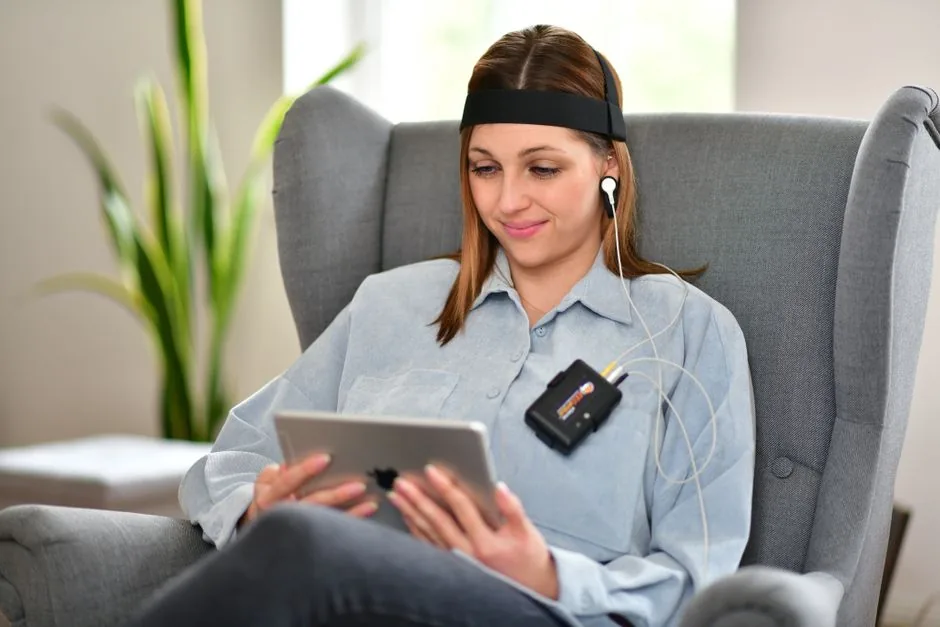
Okay, so biofeedback therapy exercises are simple, lowtech tricks that let you see (or feel) how your bodys signalslike heartrate, breathing, or muscle tensionchange in real time, and then you use that info to calm down, tighten up, or just feel a bit better.
In the next few minutes youll get a clear rundown of the most effective exercises, when they shine, how much they might cost, and any red flags to watch for, so you can decide whether to try them at home or book a session according to the Cleveland Clinic. Lets dive in together.
Why It Matters
What problems can biofeedback exercises help with?
From racing thoughts that keep you up at night to stubborn migraines that ruin your weekend plans, biofeedback has a surprising track record. Studies from the Mayo Clinic show measurable improvements for anxiety, chronic pain, insomnia, tensiontype headaches, and even constipation. If youve ever felt that your body is sending SOS signals you cant decode, biofeedback literally translates those whispers into data you can act on.
How is biofeedback different from plain relaxation?
Relaxation techniques rely on feelingI think Im relaxed now. Biofeedback adds a hardwon piece of evidence: a graph, a beep, a color change that tells you exactly how your nervous system is responding. That objective feedback can boost confidence, keep you motivated, and help you finetune the practice faster than guessing.
Quick Comparison Table
| Approach | Effectiveness | Sideeffects | Typical Cost |
|---|---|---|---|
| Biofeedback | High (clinical trials show 6080% improvement) | Rare dizziness, temporary soreness | $150$500 for home kit; $100$200 per session |
| Meditation | Moderate (depends on consistency) | None | Freetolow (apps) |
| Medication | Variable (often symptomspecific) | Sideeffects, dependency risk | Varies by prescription |
Core Techniques
BreathingBiofeedback
Breathing is the fastest lever you can pull. With a simple pulseoximeter or a smartphone camera that tracks heartrate, you can see how each inhale and exhale shifts your autonomic tone. Try the 478 rhythm: inhale for 4 seconds, hold for 7, exhale for 8. Watch the heartrate line on your app dipif it stays level, youve hit the sweet spot.
Stepbystep
- Sit upright, feet flat.
- Open the HRV app and place your finger on the sensor.
- Start the 478 cycle, watching the realtime graph.
- Repeat for 5 minutes, noting how the line smooths out.
- Log your stress rating (110) after the session.
MuscleRelaxation Biofeedback
This uses surface EMG sensors (often built into a cheap biofeedback machine) to display muscle tension. Its a favorite for migraine sufferers because tightening the neck and scalp muscles is a common trigger. When the screen shows a spike, you practice progressive muscle relaxationtense for 5 seconds, release for 10, then watch the EMG line flatten.
Redflag tip
If you notice pain spikes that dont subside after a few releases, pause and consult a healthcare professional. Persistent pain may signal an underlying issue that needs more than a relaxation exercise.
HeartRate Variability (HRV) Biofeedback
HRV measures the tiny variations between heartbeats. A higher variability usually means a more resilient stress response. Using a cheap chest strap or even a phone camera, you can practice resonant breathing (about 6 breaths per minute) and watch the HRV score rise.
Sample Log Entry
Date: 20240901
Exercise: Resonant breathing, 6 min
HRV before: 45 ms
HRV after: 62 ms
Stress rating: 4  2
Notes: Felt calmer, less shoulder tension.
PelvicFloor & Constipation Biofeedback
Yes, you read that right. Many clinics use tiny pressure sensors to teach you how to contract and relax the pelvic floor. Regular practice can ease constipation and improve bladder control. The key is a gentle squeezeholdrelease cycle performed while seated, with visual feedback showing pressure levels.
VisualMind Biofeedback (Fun Variant)
Imagine drawing a mental picture of a calm lake, then watching a screen change color as your breathing steadies. This blend of visualization and realtime data is especially popular with kids, because turning anxiety into a game makes it less scary.
DIY At Home
Tools You Can Use Right Now
You dont need a pricey biofeedback machine to get started. Your smartphones camera can read pulse, free apps like HRV4Training or Elite HRV do the heavy lifting, and a simple thermometer can gauge skintemperature changes for relaxation.
Five Minimalist Exercises (No Equipment)
- Breath Count Close your eyes, count each inhale, aim for 10 breaths without losing count.
- Body Scan Mentally glide from toes to head, noticing tension, then consciously release it.
- HandTemperature Check Warm hands indicate relaxation; focus on warming them by deep breathing.
- Posture Shift Alternate between sitting tall and slouching, feeling how each posture changes your breathing.
- Diaphragmatic Breathing Place a hand on your belly, watch it rise and fall, keep shoulders still.
When to Upgrade to a Dedicated Machine
If you find the data helpful and want deeper insightlike precise EMG readings for migraine or a dedicated anxietyreduction deviceconsider a home biofeedback kit. Prices range from $150 for a basic heartrate monitor to $500 for a fullfeatured EMG + HRV system. Look for FDA clearance, interchangeable sensors, and easy data export.
Popular Home Machines Comparison
| Device | Price | Sensors | Best For |
|---|---|---|---|
| Muse S | $299 | EEG, heartrate | Meditation & anxiety |
| HeartMath emWave2 | $149 | HRV, pulse | Stress reduction |
| Thought Technology ProComp | $495 | EMG, temperature, GSR | Chronic pain & migraine |
Find Professionals
What to Expect in a Clinic Session
A first visit usually starts with a brief intakequestions about your symptoms, medical history, and goals. Then the therapist attaches sensors (skinsurface electrodes, temperature probes, or a fingerpulse sensor) and guides you through a short set of exercises while you watch live feedback on a monitor.
Choosing a Qualified Practitioner
Look for credentials such as BoardCertified Biofeedback Therapist (BCBT), neuropsychology licensure, or a physical therapist with a biofeedback certification. Ask them to explain the protocol they follow and request evidencebased references. A good therapist will also give you a takehome plan that fits your budget and schedule.
Insurance & Cost Considerations
Typical outofpocket costs range from $100$200 per session, though many insurers cover a few visits under CPT codes 9090190904. Some clinics offer package discounts (e.g., 5 sessions for $450). Always verify with your provider before booking.
FAQ Snapshot
- Is biofeedback covered by insurance? Often, yesespecially if prescribed for chronic pain or anxiety.
- How many sessions are needed? Most people see noticeable results after 510 sessions, but maintenance is key.
- Can I combine biofeedback with medication? Absolutelyjust keep your doctor in the loop.
Safety & Risks
Common Sideeffects
Most people feel a light-headedness or a temporary increase in heartrate during intense breathing exercises. Muscle soreness can happen after a strong EMG session. These sensations usually fade within minutes.
Contraindications
If you have uncontrolled high blood pressure, a recent seizure, or a severe psychiatric crisis, biofeedback alone may not be safe. Always run a quick health check with your primary care provider before diving in.
Monitoring Progress Responsibly
Keep a simple log: date, exercise, stress rating, any adverse feelings, and what you observed on the screen. Over weeks, trends become clearmaybe your HRV is climbing, or your EMG spikes are less frequent.
Downloadable Tracking Template
Use the CSV template below (rightclick Save As) to start logging your sessions.
| Date | Exercise | Metric (HRV/EMG) | Stress Rating (110) | Notes |
|---|---|---|---|---|
Success Stories (Experience)
Case: Migraines Melt Away with HRV Biofeedback
Sarah, a 38yearold graphic designer, suffered from 810 migraine days a month. After 12 weeks of weekly HRV training, her migraine frequency dropped to 23 days, and her average pain score fell from 7/10 to 3/10. The data showed her HRV rising from a baseline of 42ms to 68ms.
Parent Testimonial: Kids Beat Constipation
Marks 10yearold son struggled with chronic constipation. A series of five-minute pelvicfloor biofeedback sessions at the local childrens clinic helped the boy learn to relax his sphincter muscles. Within a month, bowel movements normalized and the family reported less bathroom anxiety.
SelfExperiment: 30Day Home Journal
I tried a 30day mix of breathing and musclerelaxation biofeedback using a free phone app. My average daily stress rating dropped from 6 to 3, my sleep latency improved by roughly 20 minutes, and I felt more in control during a highpressure work presentation.
Your Plan
Quick SelfAssessment Checklist
- Do you struggle with anxiety, tension, or chronic pain? Yes start with breathingbiofeedback.
- Do you have migraine or headache patterns? Yes add EMG musclerelaxation.
- Do you experience constipation or pelvicfloor issues? Yes try pelvicfloor visual biofeedback.
- Do you prefer a guided, professional setting? Yes search biofeedback therapy near me.
4Week Starter Schedule
| Week | Exercise | Duration | Goal |
|---|---|---|---|
| 1 | Breathingbiofeedback (478) | 5min daily | Lower baseline stress rating |
| 2 | MuscleEMG relaxation | 10min, 3/week | Reduce tension spikes |
| 3 | HRV resonant breathing | 6min daily | Increase HRV score |
| 4 | Pelvicfloor squeezeholdrelease | 5min, 2/week | Ease constipation, improve control |
When to Seek Professional Help
If after two weeks you notice persistent pain, your stress rating stays above 6, or you feel confused by the data, its time to book a session with a certified therapist. Professional guidance can finetune the technique, adjust sensor placement, and ensure youre progressing safely.
Resources to Keep You on Track
- Mayo Clinic Biofeedback Overview
- Cleveland Clinic HRV Guide
- Free HRV apps: HRV4Training, Elite HRV
Take a breath, pick one of the exercises that feels right, and give it a try. You might be surprised at how quickly you start noticing calmer moments, fewer aches, and a clearer mind. If you have questions or want to share how its going, feel free to reach out. Were in this together, and Im excited to hear about your progress!








