Not medical advice — written by Ngoc Vietsmall, who is not a healthcare professional.
This article summarises publicly available medical information for general readers. It cannot account for your history, medication or symptoms, and it is not a diagnosis or a treatment plan. Any dose mentioned comes from published labelling or guidelines — only your own prescriber can decide what is right for you.
Always speak to a doctor or pharmacist before starting, stopping or changing any treatment. If symptoms are severe or getting worse, seek urgent care. Full disclaimer · How this is written
Hey there! If youve ever wondered whether everyday food choices might influence your long-term health, youre not alone. The foods you choose each day may help support your blood vessels, but they are not a cure or a guarantee. Below is a general overview of eating patterns that research has linked to vascular wellness — along with practical ideas for adding more of these foods to your routine.
Why Diet Matters
First off, lets look at what contributes to aneurysm risk. Factors that may play a role include genetics, high blood pressure, smoking, and a diet high in salt and unhealthy fats. Over time, these can put extra strain on blood-vessel walls, which may weaken them and increase the chance of an aneurysm forming or rupturing.
On the hopeful side, certain nutrients are thought to help maintain vessel strength. Antioxidants may help counter inflammation, fiber supports healthy blood pressure, and some fats are believed to protect the inner lining of arteries. In short, a balanced diet may be one piece of a broader risk-reduction strategy.
According to a review in PubMed, people who follow diet patterns rich in fruits, vegetables, whole grains, and omega-3 fatty acids tend to have a lower incidence of cerebral aneurysms.
Core Food Groups
Think of this section as the MIND diets cheat sheet — MIND merges Mediterranean and DASH principles, zeroing in on brainfriendly bites.
Berries & Colorful Veggies
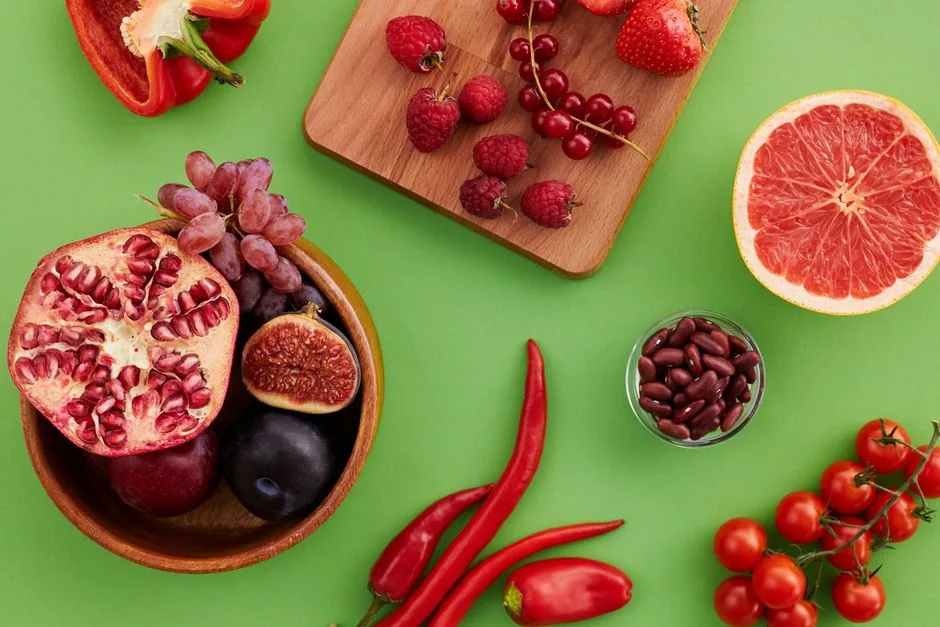
Blueberries, strawberries, cherries, and dark leafy greens (like kale and spinach) are packed with flavonoids and vitamin C. These antioxidants act like tiny bodyguards, protecting the blood-vessel lining from oxidative stress.
- Why they matter: Flavonoids improve endothelial function, which keeps arteries flexible.
- How to add them: Toss a handful of berries into your morning oatmeal or blend a green smoothie for breakfast.
Whole Grains & Fiber
Oats, quinoa, brown rice, and whole-wheat pasta provide soluble fiber that helps keep blood pressure steady. Fiber also aids in cholesterol management — a double win for vascular health.
- Serving tip: General guidance often suggests about three servings of whole grains per day (roughly half a cup cooked per serving), but your own needs may differ.
- Quick swap: Replace white bread with 100% wholegrain toast — your taste buds may not even notice the difference.
Lean Proteins & Omega3s
Fish like salmon, sardines, and mackerel are loaded with EPA and DHA, the omega-3s that calm inflammation and support blood-vessel flexibility. If youre not a fan of fish, reach for skinless poultry, lentils, or chickpeas.
- Did you know? A study in the NHS notes that regular omega-3 intake correlates with lower aneurysm rupture rates.
- Easy recipe: Grill a salmon fillet, drizzle with lemon-olive oil, and serve over quinoa with a side of steamed broccoli.
Healthy Fats & Nuts
Extra-virgin olive oil, avocado, walnuts, and almonds bring monounsaturated fats and plant-based omega-3s to the table. These fats help maintain the elasticity of arterial walls.
- Snack idea: A small handful of walnuts (about ¼ cup) satisfies cravings while delivering a dose of brain-boosting nutrients.
LowSodium & ReducedSugar Choices
Too much salt can raise blood pressure, and excess sugar may fuel inflammation — both of which are factors in aneurysm risk. Choose herbs, spices, citrus, and vinegars to flavor meals instead of salt, and sip water infused with fruit slices rather than sugary sodas.
Foods to Avoid
Every superhero needs a nemesis — here are the foods that can sabotage your vessel-protecting efforts.
HighSodium Processed Items
Deli meats, canned soups, salty snacks, and fast-food sauces can raise your blood pressure in a flash. Even healthy granola bars sometimes hide surprising amounts of sodium.
- Swap suggestion: Choose low-sodium broth, fresh herbs, or roasted vegetables for flavor.
Saturated & Trans Fats
Fried foods, buttery pastries, and many processed snacks introduce saturated fats that stiffen arteries. Trans fats, often hidden in margarine and packaged baked goods, are especially harmful.
- Better choices: Air-fried veggies, oat-based muffins, or a drizzle of avocado oil for cooking.
Excess Alcohol & Caffeine
Moderation is key. Overindulging in alcohol can raise blood pressure, while too much caffeine may cause short-term spikes that stress vessel walls.
- Guideline: Common recommendations suggest no more than one drink per day for women and two for men, and many experts advise limiting coffee to about 1–2 cups — but your personal tolerance and health status may vary, so check with your own healthcare provider.
Weekly Meal Plan
Ready for a practical, no-stress plan? Below is a 7-day menu that packs all the brain-protective foods while keeping prep simple. Feel free to shuffle meals to match your schedule.
| Day | Breakfast | Lunch | Dinner | Snack |
|---|---|---|---|---|
| Monday | Oatmeal with blueberries & a sprinkle of walnuts | Quinoa salad with chickpeas, spinach, cherry tomatoes, olive oil & lemon | Grilled salmon, steamed broccoli, brown rice | Greek yogurt with sliced strawberries |
| Tuesday | Wholegrain toast, avocado mash, poached egg | Lentil soup with carrots, celery, and a side of wholegrain crackers | Chicken breast stirfry with bell peppers, snap peas, brown quinoa | Handful of almonds |
| Wednesday | Berry smoothie (mixed berries, spinach, almond milk, flaxseed) | Mixed greens salad with grilled sardines, avocado, pumpkin seeds | Turkey meatballs, wholewheat spaghetti, marinara sauce, side of roasted zucchini | Apple slices with peanut butter |
| Thursday | Greek yogurt parfait with granola (lowsugar) and kiwi | Brown rice bowl with tofu, roasted sweet potatoes, kale, tahini dressing | Baked cod, quinoa pilaf, steamed green beans | Carrot sticks with hummus |
| Friday | Scrambled eggs with diced tomatoes, spinach, wholegrain toast | Wholegrain wrap with grilled chicken, mixed veggies, hummus | Stirfried shrimp, broccoli, bell peppers, cauliflower rice | Handful of walnuts |
| Saturday | Pancakes made with oat flour, topped with fresh berries | Mixed bean salad with olive oil, red onion, parsley, lemon | Grilled turkey burger on a wholegrain bun, side salad | Pear slices |
| Sunday | Chia pudding with almond milk, mango, and a dash of cinnamon | Roasted vegetable quinoa bowl with feta cheese | Herbroasted chicken thighs, sweet potato mash, sauted Brussels sprouts | Dark chocolate square (70% cacao) |
Tip: Batch-cook your whole grains on Sunday, wash and store greens in airtight containers, and portion nuts into snack bags. A little prep goes a long way toward consistent, brain-friendly eating.
Supplements & Extras
While whole foods should be your main source, certain supplements can give a gentle boost — especially if your diet falls short.
| Supplement | Potential Benefit | Typical Dose | Note |
|---|---|---|---|
| Omega3 (Fish Oil) | Reduces inflammation, supports vessel elasticity | Common label amounts suggest 1,000mg EPA/DHA daily; only your prescriber can determine the right dose for you. | Choose a reputable brand; consult your doctor |
| Magnesium | Helps regulate blood pressure | Common label amounts suggest 300–400mg daily; your prescriber will decide what fits your needs. | Excess may cause diarrheastart low |
| VitaminD | Linked to vascular health and immune function | Common label amounts suggest 800–1,000IU daily; only your prescriber can advise on your specific dose. | Check blood levels before high dosing |
| CoQ10 | Antioxidant that supports endothelial cells | Common label amounts suggest 100–200mg daily; your prescriber will determine whether this is right for you. | May interact with blood thinners |
Remember: Supplements are add-ons, not replacements. Always discuss any new pill with a healthcare professional, especially if you have existing conditions or take medication.
Lifestyle Boosters
Food is a cornerstone, but pairing it with a few lifestyle habits turns your prevention plan into a full-body shield.
Exercise & BloodPressure Control
General physical-activity guidelines often recommend at least 150 minutes of moderate aerobic activity — think brisk walking, cycling, or swimming — plus two strength-training sessions per week. Regular movement supports endothelial function and helps keep blood pressure in check, which may reduce the strain on brain vessels. Always check with a professional before starting a new exercise routine.
Quit Smoking & Manage Stress
Smoking accelerates arterial damage; quitting is one of the most powerful moves you can make. Complement that with stress-reduction techniques — deep breathing, yoga, or just a nightly walk with a friend — to keep cortisol levels steady. Lower stress may help keep blood pressure lower, which means less strain on brain vessels.
Bottom Line Take Action Today
Heres a three-step framework you can consider starting right now:
- Fill your plate: Load up on berries, leafy greens, whole grains, lean proteins, and healthy fats.
- Cut back: Reduce salty processed foods, saturated fats, and excess alcohol.
- Move & monitor: Incorporate regular exercise, keep an eye on blood pressure, and quit smoking if needed.
All of this is backed by reputable sources like the NHS, PubMed, and numerous clinical studies — so you can feel confident youre looking at evidence-based ideas. Many people find that swapping sugary cereals for oatmeal topped with berries is a simple first step that supports their overall wellness.
Give one change a try this week — maybe add a berry-rich breakfast or swap that salty snack for a handful of nuts. Small steps add up, and your body may thank you for the extra care.