



Not medical advice — written by Ngoc Vietsmall, who is not a healthcare professional.
This article summarises publicly available medical information for general readers. It cannot account for your history, medication or symptoms, and it is not a diagnosis or a treatment plan. Any dose mentioned comes from published labelling or guidelines — only your own prescriber can decide what is right for you.
Always speak to a doctor or pharmacist before starting, stopping or changing any treatment. If symptoms are severe or getting worse, seek urgent care. Full disclaimer · How this is written
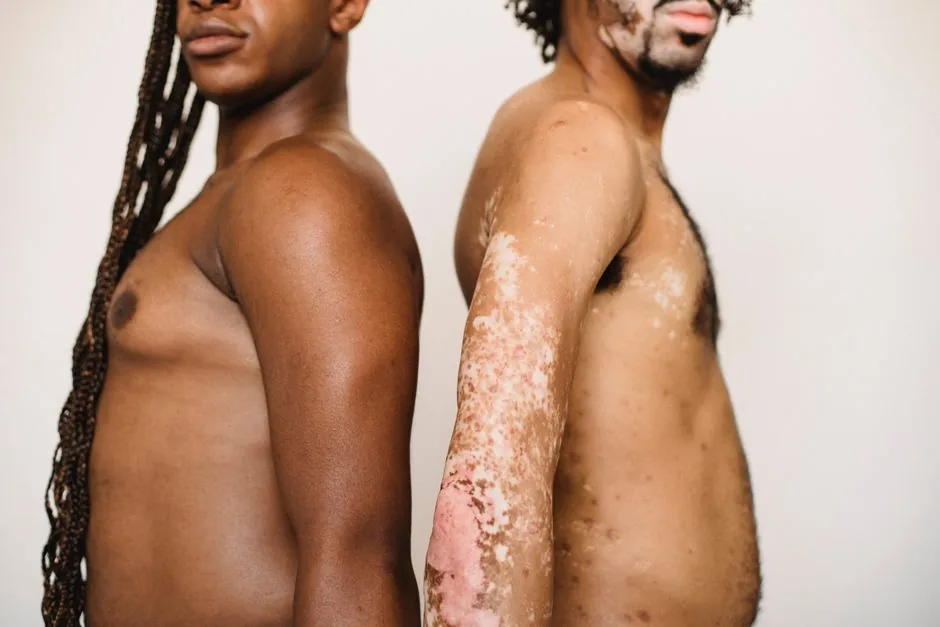
Seeing tiny white patches on your skin can be a little unsettling, especially when youve heard the word vitiligo tossed around a lot. The good news? Most of those spots arent vitiligo at all. In most cases theyre harmless, often linked to sun exposure, nutrient gaps, or harmless skin conditions. Below, well walk through what these non vitiligo white spots really are, how you can tell them apart from vitiligo, and what you can do to keep your skin looking its best.
Quick Check
Before you start Googling every possible skin disorder, try this quick visual test. Grab a mirror, a good light source, and ask yourself a few simple questions:
- Are the spots perfectly round with sharp, welldefined borders? (Thats a flag for vitiligo.)
- Do they appear mostly on sunexposed areas like shins, forearms, or the chest? (That leans toward idiopathic guttate hypomelanosis or IGH.)
- Are they accompanied by mild itching, scaling, or a faint pink hue? (Think fungal infection or pityriasis alba.)
- Did they pop up after a recent skin injury, acne breakout, or severe sunburn? (Postinflammatory hypopigmentation may be the culprit.)
If you ticked a couple of these boxes, youre probably looking at a nonvitiligo issue. Still, if a spot changes colour, grows, or starts hurting, make an appointment with a dermatologist ASAP those could be redflag signs.
Common Causes
Lets dive into the most frequent reasons for those puzzling white specks.
Idiopathic Guttate Hypomelanosis (IGH)
IGH is the big name youll see on the small white spots on skin pictures boards. It shows up as tiny, smooth, round patches, usually on the shins, forearms, or the back of the neck. The culprit? Longterm sun exposure that thins the melaninproducing cells in those spots.
Milia
Ever notice a few tiny, firm bumps that look like milkwhite beads? Those are milia tiny keratin cysts that sit just under the skins surface. Theyre completely harmless but can be mistaken for pigment loss.
Fungal Infections
Fungi love warm, moist areas, and they can cause fungus white patches on skin. Tinea versicolor, for instance, often appears as lighterthanyournormal skin on the chest or back. It can be itchy, flaky, and sometimes confused with hypopigmented spots.
Pityriasis Alba
This is a common, mild eczematype condition that leaves faded, slightly scaly patches, often on the face of kids and teens. The spots are usually blurryedged and may fade on their own, but they can linger for months.
PostInflammatory Hypopigmentation
Any time your skin gets inflamed a pimple, a scrape, a sunburn the pigment in that area can temporarily drop, leaving a tiny white mark. Its a natural part of the healing process and usually recovers over weeks.
Vitamin & Nutrient Deficiencies
Deficiencies in vitamins B12, D, and minerals like zinc can lead to vitamin deficiency small white spots on skin. Your body needs these nutrients to keep melanin production humming along.
DrugInduced or Chemical Depigmentation
Some topical steroids, bleaching creams, or even aggressive sunscreens can strip melanin from the skin, creating patches that look like vitiligo. If youve started a new product and notice spots, pause its use and see how your skin reacts.
Rare but Serious Mimickers
On the rare side, certain early skin cancers or autoimmune conditions can manifest as white spots. This is why any rapidly changing, painful, or bleeding patch deserves a professional look.
| Feature | Vitiligo | NonVitiligo White Spots |
|---|---|---|
| Shape | Irregular, often symmetric | Round, welldefined (IGH, milia) or irregular (postinflammatory) |
| Border | Sharp, clearly demarcated | Fuzzy (pityriasis alba) or crisp (milia) |
| Typical Locations | Anywhere, often around mouth, eyes, hands | Sunexposed limbs, face, back of arms |
| Associated Symptoms | Usually none, may spread | Itching, scaling, recent trauma, or no symptoms |
How to Diagnose
Selfassessment is a great start, but a dermatologist will give you the definitive answer. Heres what usually happens during a professional exam:
Visual Inspection & History
The doctor will ask when you first noticed the spots, any recent sun trips, new skin products, or dietary changes. Your story helps narrow down the cause.
Woods Lamp Examination
Under a special UV light, melanindeficient areas glow white, while fungal infections may fluoresce a yellowgreen hue. Its a quick, painless way to differentiate between vitiligo and other conditions.
Dermoscopy
This handheld magnifier shows skin structures in detail. For example, milia appear as tiny white dots with a clear halo, while IGH shows faint pigment loss without vascular patterns.
Skin Biopsy (Rare)
If the doctor suspects an uncommon disease or early skin cancer, a tiny punch biopsy may be taken for lab analysis.
Lab Tests for Nutrient Deficiencies
A simple blood draw can check B12, vitamin D, and zinc levels. If youre low, your doctor will recommend supplements and dietary tweaks.
One of my friends, Maya, thought her tiny white spots on legs were just a sign of aging. After a quick Woods lamp visit, we discovered she had a mild B12 deficiency. A few months of supplements and sunsmart habits later, those spots faded dramatically.
Treatment Options
Theres no onesizefitsall cure, but most nonvitiligo spots respond well to targeted care. Choose what fits your situation best.
Topical Solutions
- Hydroquinone or VitaminC serums can brighten the surrounding skin, making spots less noticeable.
- Retinoids promote skin turnover, which helps fade postinflammatory hypopigmentation.
- Antifungal creams (e.g., clotrimazole) are the goto for fungalrelated white patches.
Procedural Treatments
- Laser therapy (fractional or Qswitched) can stimulate melanin production in stubborn IGH patches.
- Cryotherapy (freezing) is occasionally used for isolated milia.
- Chemical peels with glycolic or salicylic acid help exfoliate dead skin cells, encouraging new pigment formation.
Lifestyle & Prevention
Prevention is half the battle. Here are habits that keep your skin happy:
- Apply broadspectrum SPF30+ every day, even when its cloudy. Sun exposure is the main driver of IGH.
- Use gentle, fragrancefree cleansers. Harsh chemicals can irritate skin and trigger postinflammatory spots.
- Stay hydrated and eat a balanced diet rich in leafy greens, fish, nuts, and fortified cereals to keep vitamins B12, D, and zinc in check.
- Avoid picking at pimples or peeling skin. The less trauma, the less chance of pigment loss.
When Watch & Wait Is Best
Some spots, especially those caused by mild nutrient gaps or fleeting inflammation, simply fade on their own. If theyre not bothering you and there are no redflags, monitoring them monthtomonth is perfectly fine.
Prevention Tips
Keeping those white spots at bay isnt rocket science, but it does require a little consistency.
Sun Smart is Smart
Even a quick 10minute stroll can add up over years. Slip on a hat, reapply sunscreen every two hours, and consider clothing with builtin UPF for extra protection.
Nutrition CheckIn
Think of your skin as a garden. If the soil (your body) lacks nutrients, the plants (melanin cells) wont thrive.
- VitaminB12: Found in meat, dairy, and fortified plant milks.
- VitaminD: Sun exposure (1015minutes a few times a week) plus fortified foods or supplements.
- Zinc: Nuts, seeds, and legumes are great sources.
According to a recent study on B12 and skin pigmentation, supplementing deficient individuals often sees visible improvement in hypopigmented patches within 812 weeks.
SkinCare Routine
Gentle exfoliation once a week (think a soft scrub or an AHA serum) helps remove dead skin cells that could block melanin recovery. Remember, more isnt better overexfoliating can cause more inflammation.
Real Stories
Stories make the science feel more personal. Here are a couple of quick snapshots from folks whove walked this path.
Annas BeachBlunder
Anna, 34, loved weekend beach trips. After a summer of just a little sun, she woke up with dozens of tiny, pale spots on her shins. A quick dermatologist visit confirmed IGH. With diligent sunscreen use and a daily vitaminD supplement, the new spots stopped appearing, and the old ones gradually lightened over six months.
Marks Nutrient WakeUp
Mark, a vegan software engineer, noticed tiny white spots on skin around his elbows. Blood work revealed low B12 and zinc. After adding fortified nutritional yeast and a zinc supplement, the patches faded in three months. He now checks his labs yearly to keep his skinand his confidencebright.
Expert Advice
Dr. Lina Ortiz, boardcertified dermatologist at the Skin Health Center, emphasizes balance:
When you see white spots, the first step is not panic but a calm, systematic check: look at location, shape, and any accompanying symptoms. Most of the time, lifestyle adjustments and simple topical treatments do the trick. However, never ignore rapid changesthose warrant an immediate professional evaluation.
Her advice aligns with the broader medical consensus: stay informed, stay proactive, and seek expert help when uncertainty lingers.
So, whether youre dealing with a few tiny specks on your forearms or a larger patch on your back, you now have a clear roadmap. Understanding the cause, recognizing the signs, and taking the right steps will empower you to manage nonvitiligo white spots with confidence.
Got a story of your own, or a question about a specific spot youve noticed? Feel free to reach outyoure not alone on this skin journey, and theres always more we can learn together.








