



Not medical advice — written by Ngoc Vietsmall, who is not a healthcare professional.
This article summarises publicly available medical information for general readers. It cannot account for your history, medication or symptoms, and it is not a diagnosis or a treatment plan. Any dose mentioned comes from published labelling or guidelines — only your own prescriber can decide what is right for you.
Always speak to a doctor or pharmacist before starting, stopping or changing any treatment. If symptoms are severe or getting worse, seek urgent care. Full disclaimer · How this is written
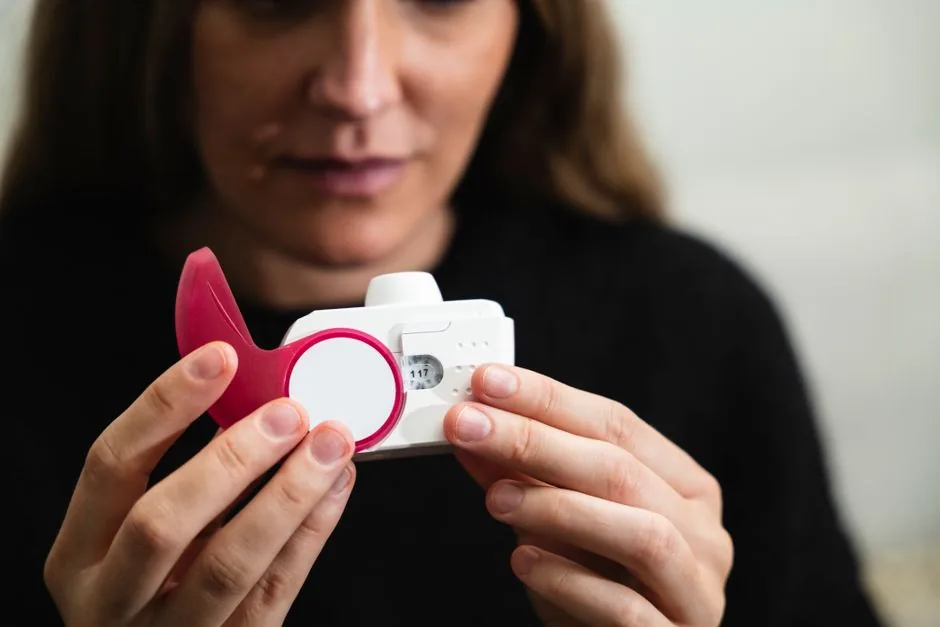
Imagine waking up with a chest that feels like its wrapped in cottonball fog. Youve tried a few coughs, maybe a chest rub, but nothing seems to loosen that stubborn mucus. You pick up a small, plastic PEP devicethats a Positive Expiratory Pressure unit and wonder, How do I actually use this thing? The good news? Youre only a few breaths away from feeling that airy, easygoing lift youve been missing. Below is the friendly, stepbystep guide that will turn that puzzled moment into a confident routine.
What You Need
Before you dive in, lets get the basics straight. Knowing why youre doing this and which gadget fits your life makes the whole process smoother than a welllubed valve.
What Is Positive Expiratory Pressure?
Positive Expiratory Pressure (PEP) is a simple breathing technique that creates a gentle backpressure in your airways as you exhale. That pressure helps keep the tiny tubes in your lungs open, loosening mucus so it can move up and out. Think of it as a tiny, friendly wind that pushes the fog out of a window.
Why People Use PEP Therapy
PEP therapy is a goto for people with cystic fibrosis, COPD, bronchiectasis, or anyone whose lungs love to collect mucus. According to the Cystic Fibrosis Foundation, regular use can reduce infection risk, improve lung function, and make everyday activities feel less breathshort.
Types of PEP Devices
- Standard valvetype classic, lowtech, cheap.
- Oscillating PEP adds gentle vibrations (often called flutter).
- Flutter PEP device a handheld ball that spins.
- Acapella PEP device a flexible, noisefree option.
- Portable handheld like the TheraPEP, perfect for travel.
Each type has its own feel, but the core ideaexhaling against resistancestays the same.
Best PEP Device for You
If youre just starting, a standard valve or a lowresistance oscillating device is usually enough. Kids often prefer the colorful flutter version, while adults looking for quiet operation may gravitate toward the Acapella. Think about where youll use it most (home, work, on the go) and pick a device that matches that lifestyle.
Safety & Contraindications
PEP is safe for most people, but you should pause if you feel:
- Severe chest pain
- Dizziness that wont pass after a minute
- Sudden shortness of breath
- Fever or new cough that feels different
If any of these pop up, stop, sit still, and call your healthcare provider. A quick checkin can keep the routine safe and effective.
StepbyStep Guide
Ready to roll? Grab your device, find a comfy chair, and follow these friendly steps. Each one is short enough to remember even when youre halfasleep.
1. Prepare Your Space & Equipment
Sit upright in a sturdy chair. Keep your back straight, chin slightly liftedimagine youre about to give a confident speech. Rest your elbows on a table; this stabilizes the device and lets your shoulders relax.
2. Choose the Right Resistance
Most devices have interchangeable valves or adjustable settings. Start low (often marked 1 or low). If you feel the airflow is too easy, bump it up a notch. The goal is a steady, controlled exhalenot a forced blast.
3. Inhale The Deep Breath
Take a slow, deep breath in through your nose for 23 seconds. Let the air fill your belly first, then your chest. A brief 2second hold can help build a little extra pressure, but its optional.
4. Exhale Through the Device
Open your mouth and blow out gently through the mouthpiece. Aim for a smooth, even streamno popping or clicking noises. You should feel a mild resistance, like blowing through a straw.
5. Add the HuffCough
After 510 calm breaths, do a huff cough. This means you take another light inhale, then exhale forcefully with your mouth open, like youre trying to fog up a mirror. The huff helps push the loosened mucus up toward the throat where you can expectorate.
6. Repeat the Cycle
Most clinicians recommend 35 minutes total: roughly 1015 breaths per cycle, followed by a huff, then repeat. If youre just starting, 2 minutes is plenty; as you get comfortable, you can extend to the full 5 minutes.
7. Clean & Store the Device
Rinse the mouthpiece and valve with warm water after each session. Let it airdry on a clean towel. Store it in a dry containerno damp places, no pet toys.
8. Track Your Progress
Keep a simple log: date, resistance level, number of breaths, how much mucus you cleared, and any symptoms (dizziness, wheeze). Over weeks, youll see patterns that help your clinician finetune the regimen.
Common Questions
What Is the Right Way to Hold a PEP Device?
Sit up straight, elbows on a table, mouthpiece snug but not tight. This posture keeps your airway open and the device stable.
How Many Breaths Per Session?
Aim for 1015 steady breaths, then a huff, repeating for 35 minutes total.
Can I Use a PEP Device for Mucus Clearance?
Absolutely. Thats its main purposehelping mucus move out of the lungs.
Is an Oscillating PEP Better Than a Standard One?
Oscillating devices add gentle vibrations, which can be more effective for thick mucus. If youre unsure, start with a lowresistance standard valve and ask your therapist if an oscillating model might suit you better.
What If I Feel Dizzy While Using It?
Stop, sit still, sip some water, and breathe normally. If dizziness repeats, call your healthcare provider.
How Often Should I Clean It?
Every single use. Rinse, airdry, and replace the valve as the manufacturer recommends (usually every 13 months).
When Should I See a Doctor?
If you have persistent cough, wheezing, fever, or cant clear mucus after several sessions, its time for a professional checkup.
Choosing the Right Device
| Device Type | Pros | Cons | Best For |
|---|---|---|---|
| Standard Valve | Simple, inexpensive, easy to clean | No vibration, may need higher resistance for thick mucus | Beginners, budgetconscious |
| Oscillating PEP | Adds vibration, often clears thicker mucus faster | Slightly louder, more moving parts | Those with chronic bronchiectasis or cystic fibrosis |
| Flutter PEP | Fun, tactile feedback (spinning ball) | Can be noisy, learning curve for consistent flow | Kids and teens |
| Acapella | Quiet, adjustable resistance, compact | Higher price point | Adults seeking discreet daily use |
| Portable Handheld | Travelready, lightweight | May lack highlevel resistance options | Frequent travelers, active lifestyles |
When deciding, ask yourself: Will I use this at home, at work, or on the go? and Do I need extra vibration for thicker mucus? Your answers will point you to the best PEP device for your routine.
Risks, Benefits & Balance
Benefits of Regular PEP Use
- Improves airway clearance, reducing infection risk.
- Boosts lung function scores (FEV1) over time.
- Helps you breathe easier during daily activities.
- Gives a sense of control over a chronic condition.
Potential Risks
- Overpressurising can irritate airways.
- Improper technique may cause dizziness.
- Neglecting cleaning can introduce germs.
Balancing Act
Start low, increase resistance slowly, and always listen to your body. A quick checkin with a respiratory therapist after a few weeks can confirm youre on the right track. If anything feels off, dial back the resistance or shorten the session.
When to Stop
If you develop sharp chest pain, a high fever, or feel breathless despite rest, stop immediately and seek medical advice. Better safe than sorry.
RealWorld Experiences
Story: Janes MucusFree Mornings
Jane, a 34yearold with cystic fibrosis, says, The first week I used a lowresistance oscillating PEP, I could feel the mucus loosening. After three weeks, my morning cough was barely a whisper. It felt like Id finally found a key to my chest. She now sticks to a 5minute routine each night before bed.
Therapist Tip: Dont Forget the Huff
According to a respiratory therapist at Saint Lukes Hospital, The huff cough is the secret sauce. Without it, the mucus stays glued to the airway walls. She recommends pairing each 10breath set with a gentle huff.
Parent Perspective
Mark, dad to a 7yearold with bronchiectasis, shares, We started with a colorful flutter device because my son liked the spinning ball. He treats it like a gameLets see how many breaths we can do before the timer beeps! Its turned therapy into playtime.
QuickReference Checklist
- Sit upright, elbows on a stable surface.
- Choose the appropriate resistance level.
- Perform 1015 smooth breaths per cycle.
- Finish each set with a huff cough.
- Clean the device after every session.
- Log symptoms and progress.
- Watch for warning signs and stop if needed.
Print this list, tape it to the fridge, or keep it on your phonewhatever helps you stay consistent.
Frequently Overlooked Hacks
Use a Spacer for Added Comfort
A simple plastic tube (spacer) can make the mouthpiece easier to fit, especially for kids or people with limited jaw mobility.
Warm Water Rinse Extends Valve Life
Rinsing the valve in warm (not hot) water after each use prevents residue buildup and keeps the resistance consistent.
Combine PEP with Chest Physiotherapy
When you pair PEP with gentle chest percussion or vibration (as recommended by many physiotherapists), you get a doubleclear effect. PhysioPedia notes that this combo can boost mucus clearance by up to 30%.
Can I Use It After a Nebulizer?
Yesmany clinicians suggest using the PEP device right after a nebulized medication. The medicine coats the airways, and the PEP helps push the loosened mucus out.
Conclusion
Using a PEP device is less about fancy equipment and more about a simple, repeatable habit that gives your lungs a gentle, effective push. Sit up straight, breathe in slowly, exhale against a modest resistance, add a huff, clean up, and track your wins. Whether you choose a standard valve, an oscillating flutter, or an Acapella, the core steps stay the same, and the benefitsclearer breathing, fewer infections, and a sense of controlare worth every breath.
Ready to give it a try? Grab your device, follow the checklist, and notice how each session clears a little more fog from your chest. If you have questions, want to share your own story, or need a friendly nudge to keep going, feel free to reach out. Your lungs will thank you, and youll soon feel the lightness of breathing without the clingy mucus. Happy breathing!








