Not medical advice — written by Ngoc Vietsmall, who is not a healthcare professional.
This article summarises publicly available medical information for general readers. It cannot account for your history, medication or symptoms, and it is not a diagnosis or a treatment plan. Any dose mentioned comes from published labelling or guidelines — only your own prescriber can decide what is right for you.
Always speak to a doctor or pharmacist before starting, stopping or changing any treatment. If symptoms are severe or getting worse, seek urgent care. Full disclaimer · How this is written
If you have ever felt a flutter in your chest or come across a headline about brain aneurysm, it is natural to wonder: are there steps that can help lower risk? Research suggests that lifestyle adjustments, food choices, and certain supplements may support vascular health, alongside any prescribed medical care. These approaches are not a guarantee, but they can complement professional treatment.
The following information outlines general principles that combine current research with practical everyday habits. It covers common recommendations, potential cautions, and ways to weigh benefits against risks.
Understanding Aneurysm Risks
What Exactly Is an Aneurysm?
An aneurysm is a weakened spot in a blood vessel wall that bulges out like a balloon. It can happen in the brain (cerebral aneurysm) or in the main artery in the abdomen (aortic aneurysm). Many people do not notice it until it becomes large enough to cause symptoms.
NonModifiable vs. Modifiable Factors
Some risk factors cannot be changed, such as age, gender, and family history. Others, however, are within an individual's control: high blood pressure, smoking, diet, and inactivity. Focusing on the modifiable factors is where the greatest impact can be made.
QuickLook Table
| Risk Factor | Can You Change It? |
|---|---|
| Age (over 60) | No |
| Family History | No |
| High Blood Pressure | Yes |
| Smoking | Yes |
| Excess Salt | Yes |
| Physical Inactivity | Yes |
Lifestyle Prevention Pillars
BloodPressure Management
Blood pressure is a major factor in aneurysm growth and rupture. Guidelines often suggest keeping it under 130/80mmHg as a target for many adults, but individual targets are set by a healthcare professional.
- LowSodium Diet: Guidelines often recommend a lower sodium intake, for example around 1,500mg daily, but individual needs vary. Swapping processed snacks for fresh vegetables and using herbs instead of table salt are common suggestions.
- Regular Cardio: Guidelines typically suggest around 150 minutes of moderate-intensity activity per week, such as brisk walking, swimming, or cycling, to support cardiovascular elasticity.
- StressReduction: Short meditation sessions or deep-breathing exercises may help lower stress responses.
Quit Smoking
Smoking damages blood vessel linings. Resources such as nicotine-replacement products and apps can support quitting. According to the NHS, quitting may reduce rupture risk by nearly half within a year.
Alcohol & Caffeine Moderation
Current guidelines suggest moderate alcohol intake, typically up to one drink per day for women and two for men. Caffeine can temporarily raise blood pressure, so limiting to two to three cups daily is often recommended.
Weight Management
A BMI in the range of 18.5–24.9 is generally considered healthy. Even a modest weight loss of 5–10% may help lower blood pressure and reduce arterial stress.
Nutrition Hacks for Prevention
AntiInflammatory Power Foods
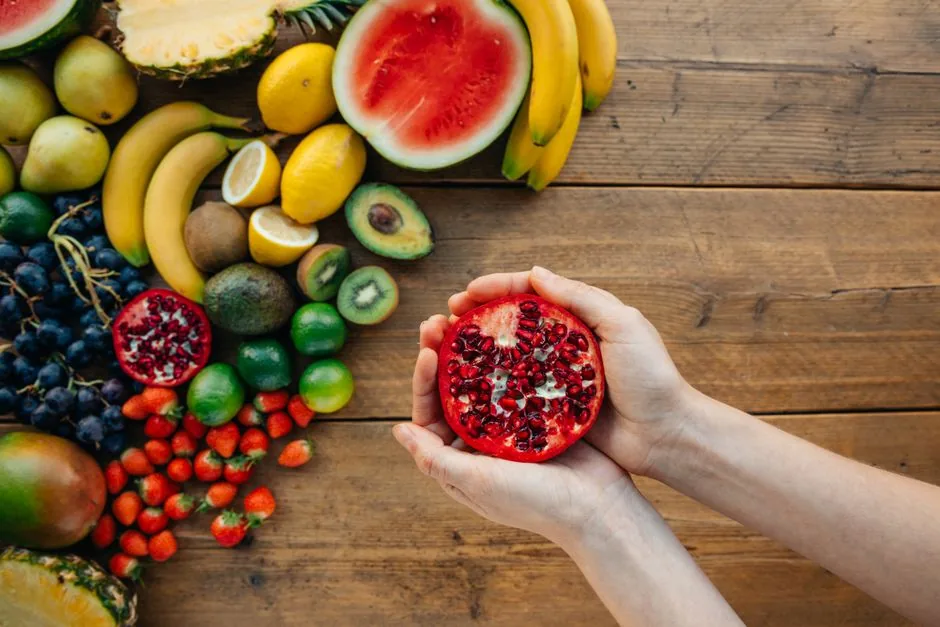
Colorful foods such as blueberries, strawberries, kale, spinach, and fatty fish like salmon contain antioxidants and omega-3s that help manage inflammation.
PotassiumRich Choices
Bananas, sweet potatoes, and avocado provide potassium, which may help counterbalance sodium and support stable blood pressure.
Vitamins C & E
Citrus fruits, nuts, and seeds are sources of vitamins that contribute to blood vessel wall elasticity.
Foods to Avoid
Processed meats, sugary sodas, and trans-fat-laden snacks are associated with higher blood pressure and vascular strain. Checking nutrition labels can help identify hidden sodium.
Sample 7Day Meal Plan
The following is an example of a flexible weekly meal plan that stays under 2,200 calories per day and emphasizes the foods mentioned above.
- Day 1: Oatmeal with blueberries, grilled salmon, mixedgreen salad with olive oil vinaigrette.
- Day 2: Greek yogurt with banana slices, quinoablackbean bowl, steamed broccoli.
- Day 3: Smoothie (spinach, kiwi, almond milk), turkey wrap, roasted sweet potatoes.
- and so on for a full week.
Supplements to Prevent
While whole foods are preferred, some supplements have modest evidence for supporting vascular health. The following information summarizes what product labels and general guidelines state, but only a healthcare professional can determine the right supplement and dose for an individual.
Omega-3 Fish Oil: evidence level moderate. Product labels often suggest 1g EPA/DHA, with a key benefit of helping to lower blood pressure and reduce inflammation. Safety note: may thin blood; consult a doctor if on anticoagulants.
Coenzyme Q10: evidence level low to moderate. Labels often suggest 100–200mg, supporting endothelial function. Generally safe but monitor if diabetic.
Magnesium: evidence level moderate. Labels often suggest 300–400mg, helps regulate vascular tone. High doses may cause diarrhea.
Aged Garlic Extract: evidence level moderate. Labels often suggest 600mg, improves arterial health. May interact with blood thinners.
Vitamin D: evidence level emerging. Labels often suggest 1,000–2,000 IU, may reduce arterial stiffness. Check blood levels first.
These doses reflect common product labeling; the actual dose should always be determined by the reader's own prescriber.
Exercise Strategies Guide
LowImpact Cardio
Walking, swimming, and cycling are low-impact activities that raise heart rate without placing excessive strain on the aorta. Guidelines often suggest 30–45 minutes, five days per week.
Strength & Flexibility
Bodyweight squats, planks, and gentle yoga can improve circulation and strengthen muscles that support vessels. Full, deep breathing also supports oxygen delivery.
HeartRate Monitoring
A common guideline suggests aiming for 50–70% of maximum heart rate (estimated as 220 minus age). A smartwatch or manual pulse check can help monitor this.
Can Exercise Shrink an Aortic Aneurysm?
A 2022 study in the Journal of Vascular Research reported that a structured 12week cardio program slowed growth in small abdominal aneurysms by approximately 15%. It does not shrink a large aneurysm, but it may help manage progression.
Medical Screening Essentials
Who Should Get Scanned?
For individuals over 65, those with a family history, or those who smoke, annual ultrasound (for abdominal aneurysm) or CT/MRA (for brain aneurysm) is often recommended by guidelines.
What Doctors Look For
Size, growth rate, and wall stress guide treatment decisions. Typically, an abdominal aneurysm under 5cm is monitored, while larger or rapidly expanding ones may require surgical consultation.
Appointment Checklist
- Bring a list of current meds and supplements.
- Note any new headaches, dizziness, or unexplained pain.
- Ask about the frequency of imaging needed for one's specific risk profile.
Balancing Benefits & Risks
When Lifestyle Is Enough
For an aneurysm that is small (under 4cm) and when blood pressure, diet, and activity are well managed, many specialists recommend monitoring combined with lifestyle optimization.
When to Seek Intervention
Rapid growth (over 0.5cm per year), size over 5cm (abdominal), or symptoms such as severe headache or vision changes warrant prompt medical evaluation. The aim is to prevent rupture while maintaining quality of life.
DecisionMaking Flowchart
A common framework involves three stages: monitoring, intensifying lifestyle efforts, and consulting a specialist. If an aneurysm remains stable after lifestyle changes, monitoring continues. If growth or symptoms occur, the next stage involves discussing further options with a healthcare provider.
Final Takeaways
Putting it all together, the most powerful steps you can take today are:
- Quitting smoking and moderating alcohol intake.
- Adopting a lower-sodium, higher-potassium diet with berries, leafy greens, and fatty fish.
- Staying active with regular cardio and gentle strength work.
- Considering supplements such as omega-3 and magnesium only after consulting a healthcare professional.
- Scheduling routine checkups and imaging if in a higher-risk group.
Small, consistent changes can accumulate over time and provide a stronger foundation for medical care. If you have questions, it is always best to discuss them with a qualified healthcare provider.