



Not medical advice — written by Ngoc Vietsmall, who is not a healthcare professional.
This article summarises publicly available medical information for general readers. It cannot account for your history, medication or symptoms, and it is not a diagnosis or a treatment plan. Any dose mentioned comes from published labelling or guidelines — only your own prescriber can decide what is right for you.
Always speak to a doctor or pharmacist before starting, stopping or changing any treatment. If symptoms are severe or getting worse, seek urgent care. Full disclaimer · How this is written
If youre trying to figure out whether circumcision surgery is right for youor your childheres the straighttothepoint rundown: the procedure itself, the typical price tag, the main pros and cons, and how the healing period looks.
No fluff, just the facts you need to decide with confidence.
How Surgery Is Done
Stepbystep procedure
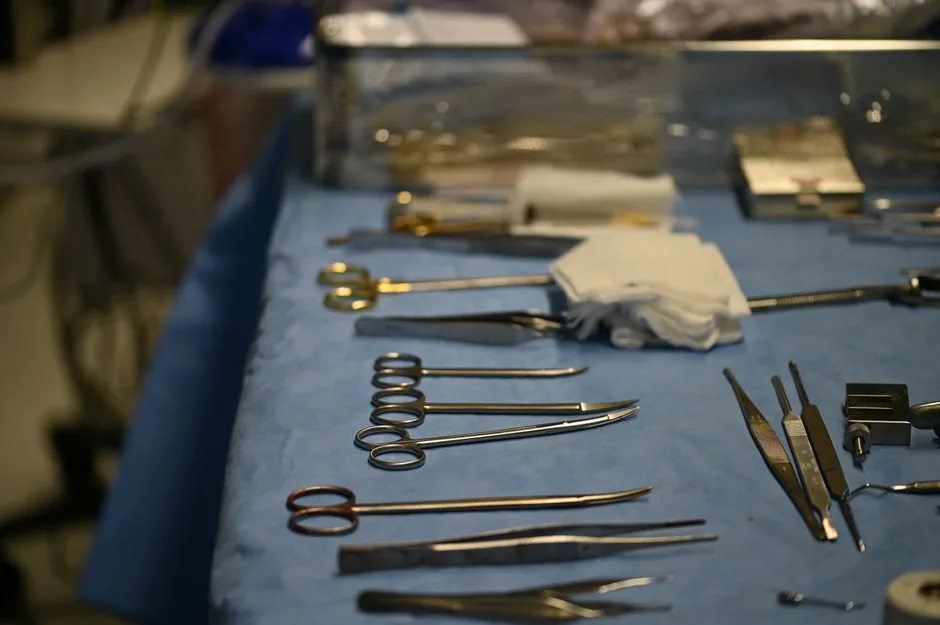
The surgeons job is pretty focused: remove the foreskin and secure the remaining tissue. Most doctors use one of two techniques:
- Gomco or Plastibell device: A small metal or plastic ring is placed over the glans, the foreskin is clamped, and excess skin is cut away. The device falls off on its own in about a week.
- Standard cutandstitch method: The foreskin is trimmed and the edges are sewn together with dissolvable stitches. This is the goto for many adult cases.
Thats the core of the circumcision surgery steps youll hear about in any reputable Mayo Clinic guide.
Helpful video guide
Sometimes a picture (or video) is worth a thousand words. A short, professional circumcision surgery video from a major medical center can demystify the process. Look for clips that show the entire operation, not just the highlight reel, and that include a calm narrator explaining each step. If youre an adult, an adult circumcision surgery video can help you see how anesthesia and aftercare differ from infant procedures.
What the video reveals
- How the surgeon prepares the area (antiseptic wipe, local anesthesia).
- The exact moment the foreskin is removed.
- Postop dressing and the first night at home.
Best Age Choice
Newborns and infants
Doctors often recommend doing it within the first few days of life. The skin heals quickly, anesthesia needs are minimal, and the emotional impact on the child is essentially zero. However, parents may weigh cultural, religious, or medical reasonslike a family history of phimosisagainst the immediate recovery hassle.
Childhood years
Some families wait until a child is old enough to understand the procedure, usually around ages 512. The advantage is that the child can follow postop instructions, but the downside is a longer healing period and a slightly higher risk of pain.
Adults
Choosing circumcision later in life is completely valid, especially if youre dealing with recurrent infections, painful erections, or personal preference. Circumcision surgery in adults typically involves stronger anesthesia (often a regional block) and a more attentive recovery plan, because adult tissue is less elastic.
Medical reasons for adult surgery
- Severe phimosis that doesnt respond to creams.
- Chronic balanitis or urinarytract infections.
- Reduced risk of certain STIs after careful counseling.
Surgery Cost Overview
Typical price range
In the United States, expect to pay anywhere from $300 to $1,500 for a straightforward circumcision. The lower end usually reflects clinicbased procedures for infants, while the upper end covers adult surgeries with anesthesia and facility fees.
What influences cost?
- Location: Urban hospitals charge more than community clinics.
- Age: Adults need stronger pain control and sometimes a longer stay.
- Technique: Devicebased methods can be cheaper than the traditional cutandstitch.
- Insurance: Many plans cover infant circumcisions if theyre deemed medically necessary, but adult procedures are often outofpocket.
Finding circumcision surgery near me
Start with a quick Google search, then narrow down by reading reviews and calling the offices for a price estimate. Dont forget to ask if they accept your insurance or offer payment plansmany clinics work with healthsavings accounts.
Financing options
Some providers let you split the bill over a few months, or you can use a flexiblespending account (FSA) to cover the cost with pretax dollars. Its worth asking the front desk for a written quote before you schedule.
Benefits Overview
Health advantages
Research from the CDC indicates that circumcised males have a lower risk of urinarytract infections in infancy, a modest reduction in some sexually transmitted infections, and a markedly lower chance of penile cancer later in life. Those numbers dont guarantee protection, but they do tip the scale toward a potential health benefit.
Hygiene made easy
Without a foreskin, cleaning becomes a breeze. No more tricky folds to retract, no lingering smegmajust a quick rinse. For many, that convenience alone feels like a win.
Cultural and personal reasons
Whether its a family tradition, a religious rite, or simply a personal preference, the decision often carries deep meaning. Respecting those motivations is part of a balanced conversation about the procedure.
Risks & Disadvantages
Shortterm complications
Most men experience mild swelling, bruising, and a bit of discomfort for a few days. A small percentage may develop an infection or bleed a little more than expected. These issues usually clear up with proper wound care and a short course of antibiotics if needed.
Rare but serious risks
- Excessive bleeding requiring a followup visit.
- Meatal stenosis (narrowing of the urinary opening) that may need a minor surgery later.
- Loss of sensitivitymost studies show a minimal impact, but its a point some men weigh heavily.
Quick comparison
| Pros | Cons |
|---|---|
| Lower risk of some infections Easier hygiene Cultural/religious fulfillment |
Possible shortterm pain Rare complications (bleeding, stenosis) Potential impact on sensation |
Psychological and sexual considerations
Feelings about the procedure can be very personal. Some men report increased confidence after recovery, while others worry about changes in sensation. Peerreviewed studies suggest the overall impact on sexual pleasure is negligible for most, but its prudent to discuss concerns with a qualified urologist.
Recovery Guide
First 2448 hours
Expect a tight bandage that may feel a bit sore. Keep the area clean with gentle soap and warm waterno scrubbing. Overthecounter pain relievers like ibuprofen help with swelling.
Healing timeline
- Day 13: Rest, keep the bandage dry, use prescribed ointment.
- Day 47: Dressings come off, light activity OK, continue gentle cleaning.
- Day 814: Most stitches dissolve; the skin looks pink but not raw. Full healing may take up to a month for adults.
Signs to watch for
If you notice increasing redness, foul odor, heavy bleeding, or a fever over 101F, call your doctor right away. Those could signal an infection or another complication.
Homecare checklist
- Wear loose cotton underwear.
- Avoid sexual activity for at least two weeks (four weeks for adults).
- Stay hydrated and eat a balanced diet to support tissue repair.
- Follow up with your surgeon on day 7 (or as instructed).
FAQ Highlights
What does circumcision surgery involve?
In short, the surgeon removes the foreskin using a device or a cutandstitch method, secures the skin with dissolvable sutures, and applies a protective dressing.
How much does circumcision surgery cost in the US?
Prices range from $300 for a simple infant procedure up to $1,500 for adult surgery, depending on location, technique, and insurance coverage.
Is adult circumcision safe?
Yeswhen performed by a licensed urologist or pediatric surgeon, adult circumcision has a complication rate comparable to many minor surgeries. Proper anesthesia and postop care are key.
Where can I find a circumcision surgery video?
Reputable medical sites like Mayo Clinic, Kaiser Permanente, or university hospitals host short, educational clips that walk you through the entire process.
What is the best age for circumcision surgery?
Infancy offers the quickest healing and lowest pain, but personal, cultural, or medical reasons can make childhood or adulthood the right choice for you.
Real Experiences
Patient stories
I was nervous about getting circumcised at 32, but my surgeon explained everything, showed me a video, and the recovery was smoother than I imagined, says Mark, a software engineer from Ohio.
Emily, a mother of two, shares, We chose to have our second son circumcised at two months because the pediatrician explained the health benefits and the whole thing was over by the time he was three days old.
Surgeons perspective
Dr. Patel, a boardcertified urologist, recommends, Ask about both the device and the traditional method. Some patients prefer the device for its quicker recovery, while others like the control of the cutandstitch approach. He adds that open communication eases anxiety for both adults and parents.
Checklist from real patients
- Watch a reliable surgery video before the appointment.
- Write down all your questionspain control, activity limits, followup schedule.
- Plan a few days off work or arrange childcare.
- Stock up on soft, breathable underwear and gentle soap.
- Keep a phone number for the surgeons office handy for any postop concerns.
Trusted Sources
All the data above comes from respected health organizations such as the CDC, Mayo Clinic, the American Academy of Pediatrics, and peerreviewed journals available on PubMed. When you dive deeper, youll find the same balanced view across these sources, confirming the reliability of the information.
Conclusion
Whether youre considering circumcision for a newborn, a curious teenager, or yourself as an adult, the key takeaways are simple: understand the exact steps of the procedure, weigh the health benefits against the possible risks, know the typical cost range, and plan a smooth recovery. A clear conversation with a qualified urologist, coupled with trustworthy videos and realworld stories, can turn uncertainty into confidence.
If youre still unsure or have more questions, reach out to a local clinicsearch circumcision surgery near me and start the dialogue today. You deserve clear, compassionate information, and the right choice is the one that feels right for you and your family.








