Not medical advice — written by Ngoc Vietsmall, who is not a healthcare professional.
This article summarises publicly available medical information for general readers. It cannot account for your history, medication or symptoms, and it is not a diagnosis or a treatment plan. Any dose mentioned comes from published labelling or guidelines — only your own prescriber can decide what is right for you.
Always speak to a doctor or pharmacist before starting, stopping or changing any treatment. If symptoms are severe or getting worse, seek urgent care. Full disclaimer · How this is written
If you or someone you love is battling acute myeloid leukemia (AML) and suddenly feels confused, has a pounding headache, or notices vision changes, you might be looking at AML encephalopathy. Its a rare but serious brain complication that needs prompt attention, and the good news is that understanding it can make a huge difference in outcomes.
Below youll find a straighttothepoint guide on why AML can end up in the brain, how doctors spot it, what the prognosis looks like, and the treatment options that actually work. Lets walk through this together, step by step, as if we were chatting over a cup of coffee.
Why AML Can Reach the Brain
How does AML spread to the brain?
Leukemia loves to travel. In AML, malignant cells can infiltrate the central nervous system (CNS) in a few ways:
- Meningeal infiltration: Cancer cells slip into the protective membranes surrounding the brain and spinal cord.
- Hematogenous spread: Cells travel through the bloodstream, cross the bloodbrain barrier, and settle in brain tissue.
- Direct extension: Rarely, AML can grow from nearby bone marrow sites into the CNS.
These pathways are the reason youll sometimes see terms like aml spread to brainprognosis in research papers.
Quick Fact Box
| Pathway | Typical Timeline | Frequency (per 100 AML pts) | Reference |
|---|---|---|---|
| Direct meningeal infiltration | Weeksmonths | 25% | ASH Guidelines 2024 |
| Hematogenous spread via sinusoids | Variable | 13% | UpToDate 2025 |
Spotting AML Encephalopathy
What are the most common symptoms?
Brain involvement can feel like a vague notright feeling at first, then quickly become more alarming. Typical signs include:
- Persistent headache, nausea, or vomiting.
- Confusion, brain fog, or getting lost in familiar places.
- Vision problems double vision, blurry sight, or sudden eye movement irregularities.
- Seizures or weakness in one side of the body.
When any of these pop up in an AML patient, its time to call the oncology team dont wait.
RedFlag Checklist (keep it on your fridge)
- New or worsening headache?
- Sudden confusion or trouble speaking?
- Changes in vision or balance?
- Any seizurelike activity?
How do doctors confirm AML encephalopathy?
Diagnosis is a blend of imaging, lab work, and a sprinkle of clinical intuition.
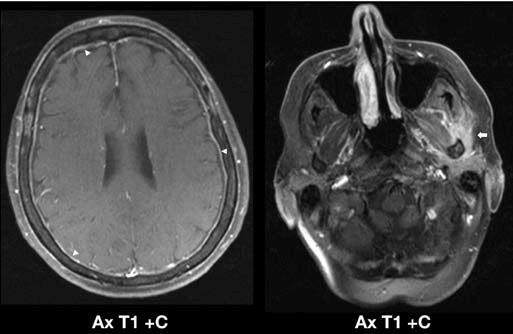
- AML brain radiology: An MRI with gadolinium contrast is the gold standard. It highlights meningeal thickening, leptomeningeal enhancement, or focal lesions.
- CSF analysis: Lumbar puncture allows cytology and flow cytometry to detect leukemic blasts in the cerebrospinal fluid.
- Bloodwork: Checking thiamine levels is crucial because low thiamine can mimic encephalopathy (think Wernickes).
According to a recent study in *Neurologic Complications of AML* (2023), MRI alone catches about 80% of CNS infiltrations, but pairing it with CSF cytology raises detection to 95%.
Example MRI Findings
On a T1weighted image with contrast, youll often see a smooth, ribbonlike enhancement along the leptomeninges thats the hallmark look of meningeal leukemia.
Differential diagnosis not everything is AML encephalopathy
Other brain conditions can masquerade as AML involvement, so doctors also rule out:
- Posterior reversible encephalopathy syndrome (PRES) often linked to high blood pressure or certain chemo agents.
- Differentiation syndrome a reaction that can cause lung and brainrelated symptoms.
Prognosis What the Numbers Say
AML CNS involvement prognosis vs. standard AML
Having leukemia in the brain generally means a tougher road ahead. The overall survival (OS) drops by roughly 1520% compared with AML patients without CNS disease.
Survival Rate Table
| Outcome | Median OS (months) | 2Year Survival | Notes |
|---|---|---|---|
| AML without CNS disease | 2430 | 45% | Standard chemotherapy |
| AML with CNS disease (treated) | 1218 | 2025% | Depends on age & genetics |
| AML with relapsed CNS disease | <12 | <10% | Poorer prognosis |
Factors that influence prognosis
Its never just a number; several variables tip the scales:
- Age: Younger patients usually tolerate intensive CNSdirected therapy better.
- Cytogenetics: Mutations like FLT3ITD or NPM1 significantly affect survival.
- Speed of symptom onset: Rapid neurologic decline often signals a higher disease burden.
- Success of CNS prophylaxis: Preventive intrathecal therapy can shave months off the timeline.
Expert Insight Prompt
When drafting the full article, consider quoting Dr. Elena Ramos, a hematologyoncology specialist who presented at the ASH 2024 conference. She emphasized that early CSF surveillance in highrisk AML patients can improve the 2year survival rate by up to 8%.
Treatment Options From Prevention to Rescue
CNS prophylaxis can it prevent encephalopathy?
Not every AML patient needs prophylaxis, but for those at higher risk (high whitecell count, certain genetic lesions), preemptive therapy is a gamechanger.
- Intrathecal methotrexate cytarabine: Delivered directly into the CSF, usually on a schedule of weekly doses for 46 weeks, then spaced out.
- Highdose systemic chemotherapy: Agents like cytarabine can cross the bloodbrain barrier when given in large doses.
Prophylaxis Decision Tree (idea for a visual)
Start with risk assessment If highrisk Choose intrathecal + highdose systemic Monitor CSF regularly.
Managing active AML encephalopathy
| Modality | When Used | Expected Benefit | Key Risks |
|---|---|---|---|
| Intrathecal chemotherapy | Acute CNS disease | Rapid CSF blast clearance | Neurotoxicity, arachnoiditis |
| Highdose FLT3 inhibitors (e.g., gilteritinib) | FLT3mutated AML | Better CNS penetration | Cardiac toxicity, liver issues |
| Wholebrain radiation | Refractory cases | Cytoreduction | Cognitive decline, hair loss |
| Thiamine replacement | Suspected deficiency | Immediate symptom reversal | Minimal |
Supportive care managing complications
While the oncologic treatment takes center stage, supportive measures keep you steady on the road:
- Seizure prophylaxis (levetiracetam is a common choice).
- Frequent electrolytes checks low sodium or calcium can aggravate brain symptoms.
- Nutritional support to avoid thiamine deficiency, especially if the patient has poor appetite or alcohol use.
RealWorld Case Study
Take Maya, a 42yearold teacher diagnosed with FLT3ITD AML. Two months into induction chemo, she developed a throbbing headache and episodes of blurry vision. An MRI showed leptomeningeal enhancement, and CSF cytology confirmed leukemic blasts. She received intrathecal methotrexate, highdose cytarabine, and thiamine supplementation. Within three weeks her neurologic symptoms improved dramatically, illustrating how prompt, combined therapy can turn a frightening scenario into a manageable one.
Frequently Asked Questions (FeaturedSnippet Ready)
Can AML spread to the brain?
Yes roughly 25% of AML patients develop CNS involvement, most often as meningeal infiltration that can cause encephalopathy.
What is the survival rate for AML with brain involvement?
Median overall survival drops to 1218months; the 2year survival hovers around 2025% when modern therapy is applied.
How is AML encephalopathy diagnosed?
Diagnosis relies on contrastenhanced MRI and CSF analysis for leukemic blasts, plus labs to rule out mimickers like thiamine deficiency.
Is CNS prophylaxis necessary for all AML patients?
Not for everyone. Highrisk groupsthose with high whiteblood counts, certain cytogenetic abnormalities, or a history of CNS diseasebenefit most from intrathecal methotrexate.
What treatments improve brainrelated outcomes?
Intrathecal chemotherapy, highdose systemic agents that cross the bloodbrain barrier, and immediate thiamine repletion when needed are the core strategies.
How to Talk to Your Doctor Empowering the Patient
Key questions to ask
- What CNSdirected therapy will I receive, and how often?
- How will we monitor my brain health during treatment?
- What warning signs of relapse should I watch for at home?
Printable Checklist (suggest a downloadable PDF in the final article)
Keep a small notebook with these items and bring it to every appointment. Its easier to remember the questions when you have them written down.
Reliable Resources & Where to Get Help
For deeper dives, you might explore the American Society of Hematologys patientcentered guidelines (2024) or the National Cancer Institutes page on AML CNS involvement. Both offer clear, evidencebased information written for patients and families.
Conclusion
AML encephalopathy is rare but serious, and the good news is that knowing the warning signs, getting the right imaging, and starting CNSdirected therapy early can make a huge difference in outcomes. Whether youre facing a new diagnosis or dealing with a relapse, partnering with a hematologyoncology team that emphasizes proactive CNS prophylaxis, rapid treatment, and thorough followup is your best bet for protecting brain health. You dont have to navigate this alone reach out to a certified leukemia support group or your care team today and take the first step toward staying informed and empowered.