



Not medical advice — written by Ngoc Vietsmall, who is not a healthcare professional.
This article summarises publicly available medical information for general readers. It cannot account for your history, medication or symptoms, and it is not a diagnosis or a treatment plan. Any dose mentioned comes from published labelling or guidelines — only your own prescriber can decide what is right for you.
Always speak to a doctor or pharmacist before starting, stopping or changing any treatment. If symptoms are severe or getting worse, seek urgent care. Full disclaimer · How this is written
If you've been diagnosed with an abdominal aortic aneurysm, you may wonder what you can do to support your health. A commonly recommended approach is to emphasize whole, colorful foods and limit items that can promote inflammation. Below is a guide that outlines general dietary and lifestyle suggestions—always discuss any changes with your healthcare provider to ensure they fit your personal situation.
Why Diet Matters
Whats the link between food and aneurysm growth?
Research from the American Heart Association indicates that a diet rich in fruits, vegetables, and whole grains is associated with a lower risk of abdominal aortic aneurysm (AAA) expansion. Such foods provide antioxidants and fiber, which help maintain steady blood pressure and reduce inflammation that can affect arterial walls.
How does a healthy diet affect blood pressure & inflammation?
High sodium intake can raise blood pressure, increasing stress on the aortic wall. Nutrients like potassium, vitamin C, and vitamin K support collagen flexibility and strength. The overall effect may be less strain and reduced inflammation, which could help slow aneurysm progression.
Can diet really shrink an aneurysm?
Diet alone is not known to shrink a sizable aneurysm, but it may help slow its growth and improve overall cardiovascular health. Vascular surgeons generally advise that the most realistic benefit is a steadier, safer trajectory when combined with medical management.
Core Eating Plan
Fruits & Vegetables the foundation
Think of your plate as a rainbow. Berries, oranges, apples, and leafy greens like spinach and kale are often recommended because they deliver vitamin C, potassium, and polyphenols that protect vessels. Guidelines frequently suggest aiming for at least five servings a day—for example, a handful of berries at breakfast, a side salad at lunch, and a fruit snack in the afternoon—but your individual needs may vary.
Whole Grains & Fiber
Swapping white rice and refined pasta for brown rice, quinoa, barley, or whole‑wheat bread can increase fiber intake, which helps lower LDL cholesterol—a factor that can affect aortic health.
Lean Protein Choices
Lean proteins are important building blocks. Options such as skinless chicken, turkey, eggs, low‑fat dairy, legumes, tofu, and fatty fish like salmon or sardines provide omega‑3 fatty acids, which have anti‑inflammatory properties.
Healthy Fats & Oils
Olive oil, canola oil, nuts, and seeds add flavor without a heavy saturated fat load. A daily handful of almonds or a sprinkle of chia seeds in yogurt can be a nutritious addition.
LowSodium & Hydration
Official guidelines often recommend keeping sodium under 1,500 mg per day (about half a teaspoon of table salt), but only your healthcare provider can determine the right target for you. Herbs, lemon zest, or pepper can add flavor instead of salt. For hydration, general recommendations suggest about eight to ten cups of water daily, but your needs may differ based on activity and health status.
What to Eat Every Day Sample Meal Plan
Breakfast: Oatmeal topped with blueberries, a splash of lowfat milk, and a sprinkle of walnuts.
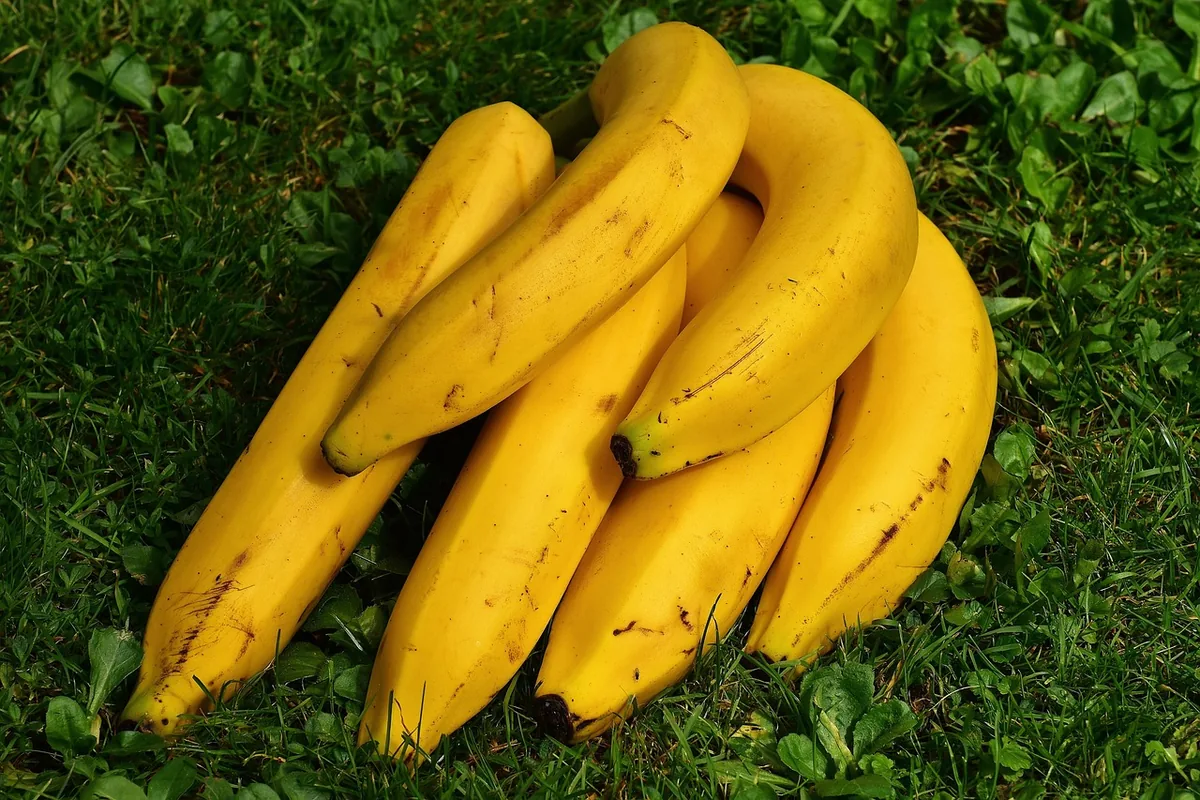
Midmorning snack: A banana and a small handful of pistachios.
Lunch: Quinoa salad with chickpeas, mixed greens, cherry tomatoes, cucumber, and a drizzle of olive oil.
Afternoon snack: Greek yogurt with a spoonful of chia seeds.
Dinner: Grilled salmon, steamed broccoli, and a side of brown rice.
This balanced menu provides about 1,800 kcal and is rich in fiber, potassium, and omega‑3s while staying low in sodium—but it is only an example; adjust portions and choices based on your own dietary needs and your clinician's advice.
Foods to Avoid
HighSatFat & Processed Meats
Bacon, sausage, and fatty beef cuts can raise LDL cholesterol and contribute to arterial inflammation. If you enjoy burgers, consider a lean turkey patty or a plant‑based alternative.
TransFats & UltraProcessed Snacks
Packaged cookies, crackers, and fast‑food fries often contain trans fats that may damage blood vessel linings. Roasted chickpeas or air‑popped popcorn are lighter snack options.
Excessive Sodium & Salty Foods
Canned soups, pickles, soy sauce, and cheese‑laden dishes can quickly push sodium intake over recommended limits. Choosing low‑sodium broth and flavoring with herbs like rosemary or thyme can help.
Refined Carbs & Sugary Beverages
White bread, pastries, and soda can cause insulin spikes that may affect blood pressure and inflammation. Sparkling water with a splash of citrus is a lower‑sugar alternative.
Alcohol (in excess)
More than two drinks a day can raise blood pressure. If you choose to drink, limiting intake to one drink per day and pairing it with a leafy salad is often suggested.
AneurysmMyth Foods Clarified
Some people think all fruit is off‑limits because of sugar. In fact, whole fruits provide fiber that slows sugar absorption and deliver antioxidants. Enjoy fruit in moderation as part of a balanced diet.
Lifestyle Tweaks
Best Sleeping Position for AAA
Some individuals find that sleeping on the left side with a pillow under the abdomen may reduce pressure on the aorta; adding a small pillow between the knees can help with spinal alignment and comfort. Always check with your provider for personal recommendations.
Physical Activity Guidelines
General guidelines suggest aiming for 150 minutes of light‑to‑moderate aerobic activity each week—such as brisk walking, swimming, or gentle cycling—plus two days of resistance training focusing on core stability (e.g., planks, bridges, seated rows). According to the Mayo Clinic, regular activity supports healthy blood pressure and circulation, but your healthcare provider can help tailor an exercise plan for you.
Quit Smoking The #1 Move
Smoking significantly increases the risk of aneurysm expansion. If you smoke, seeking support—through nicotine replacement, prescribed medications, or quitlines—can make a substantial difference.
Stress Management
Stress releases cortisol, which can raise blood pressure. Simple breathing exercises, short meditation sessions, or a walk in nature may help calm the nervous system.
Regular Medical Monitoring
Stay on top of your ultrasound schedule—most clinicians recommend imaging every six to twelve months. Bringing a diet log to appointments can help your healthcare team provide more personalized guidance.
FAQ Highlights
How to shrink an aortic aneurysm naturally?
A diet rich in antioxidants, low in sodium, and balanced with lean protein may slow aneurysm growth, but it is not proven to shrink a large one. Combining nutrition with smoking cessation and regular exercise, under medical supervision, offers the best support.
What fruit is best for an abdominal aortic aneurysm?
Berries (especially blueberries and strawberries) and citrus fruits (like oranges and grapefruits) are high in vitamin C and potassium, which support vessel health—but no single fruit is a cure‑all.
How dangerous is a 4cm aortic aneurysm?
A 4cm aneurysm is considered moderate in size. While many people remain stable for years, the risk of complications increases with size, so strict blood‑pressure control and a heart‑healthy lifestyle are important. Your doctor will monitor your specific situation.
Foods to avoid after aneurysm surgery?
After surgery, the same general principles apply: low‑fat, low‑sodium, high‑fiber foods. Soft protein options like scrambled eggs, Greek yogurt, and well‑cooked legumes may be easier to eat during healing.
Is a brain aneurysm diet the same?
The dietary principles overlap—low sodium, plenty of antioxidants, and balanced protein. For brain aneurysms, some clinicians also advise moderating caffeine to avoid potential pressure spikes.
7Day Sample Meal Calendar
| Day | Breakfast | Lunch | Dinner | Snacks |
|---|---|---|---|---|
| Mon | Oatmeal + blueberries + lowfat milk | Quinoa salad w/ chickpeas, spinach, olive oil | Grilled salmon, steamed broccoli, brown rice | Apple + handful almonds |
| Tue | Greek yogurt + sliced banana + chia seeds | Turkey wrap (wholewheat) + mixed greens | Lentil soup + wholegrain roll | Carrot sticks + hummus |
| Wed | Wholegrain toast + avocado + poached egg | Mixed bean chili + side salad | Baked cod, quinoa, roasted Brussels sprouts | Pear + small handful walnuts |
| Thu | Smoothie (spinach, mango, kefir) | Grilled chicken breast, brown rice, green beans | Stirfried tofu, mixed veggies, soba noodles | Greek yogurt with honey |
| Fri | Scrambled eggs + tomato + wholegrain pita | Salmon salad (canned salmon, mixed greens, olive oil) | Turkey meatballs, spaghetti squash, marinara | Orange slices + pumpkin seeds |
| Sat | Berry parfait (Greek yogurt, berries, granola) | Veggiefilled frittata, side of fruit | Grilled shrimp, wild rice, asparagus | Celery sticks + almond butter |
| Sun | Wholegrain pancakes + fresh strawberries | Roasted veggie bowl with quinoa and tahini | Lean roast beef, sweet potato mash, steamed kale | Mixed berry bowl |
Feel free to swap days or ingredients based on your preferences—the key is variety, balance, and keeping sodium low. Remember that this calendar is only a sample; your dietary needs may differ, and you should consult your healthcare provider or a dietitian for personalized advice.
Sources & Credibility
All information in this guide is based on reputable research and expert consensus, including:
- Peerreviewed studies on diet and AAA risk (e.g., Circulation, 2012).
- Guidelines from the American Heart Association and Vascular Society of Canada.
- Clinical insights from vascular surgeons at the University of Alberta.
- Nutrition advice from registered dietitians specializing in cardiovascular health.
When you follow a plan rooted in solid science, you are actively supporting your overall cardiovascular health—but always discuss any dietary or lifestyle changes with your own healthcare team.
Conclusion
Creating an eating plan to support aortic health is not about miracle foods; it is about everyday choices that add up. Filling meals with fruits, leafy greens, whole grains, and lean proteins, while limiting salty, fatty, and processed items, can be beneficial. Pairing these habits with regular movement, good sleep, stress relief, and avoiding smoking gives you a strong foundation. If you are ready to start, consider planning your first week's meals using the sample above, and talk to your doctor or a registered dietitian about any personal adjustments. You have the information—now use it wisely and in partnership with your healthcare provider.








