



Not medical advice — written by Ngoc Vietsmall, who is not a healthcare professional.
This article summarises publicly available medical information for general readers. It cannot account for your history, medication or symptoms, and it is not a diagnosis or a treatment plan. Any dose mentioned comes from published labelling or guidelines — only your own prescriber can decide what is right for you.
Always speak to a doctor or pharmacist before starting, stopping or changing any treatment. If symptoms are severe or getting worse, seek urgent care. Full disclaimer · How this is written
Short answer: the piece that comes out of your eye is a solid, cloudy lump of protein not a droplet of fluid that the surgeon either breaks up with sound waves or gently lifts out in one piece.
Why does that matter? Knowing exactly whats taken out helps you picture the whole procedure, calm those nerves, and decide if the brightfuture vision youre promised feels realistic.
Understanding Cataract Basics
What is a cataract made of?
A cataract is basically a clump of proteins that have started to stick together inside the clear lens of your eye. Over time, these proteins lose their orderly arrangement and turn the lens into a milkywhite or yellowish cloud. Think of it like milk curdling in a glass of coffee the clear water becomes opaque.
How does it look before removal?
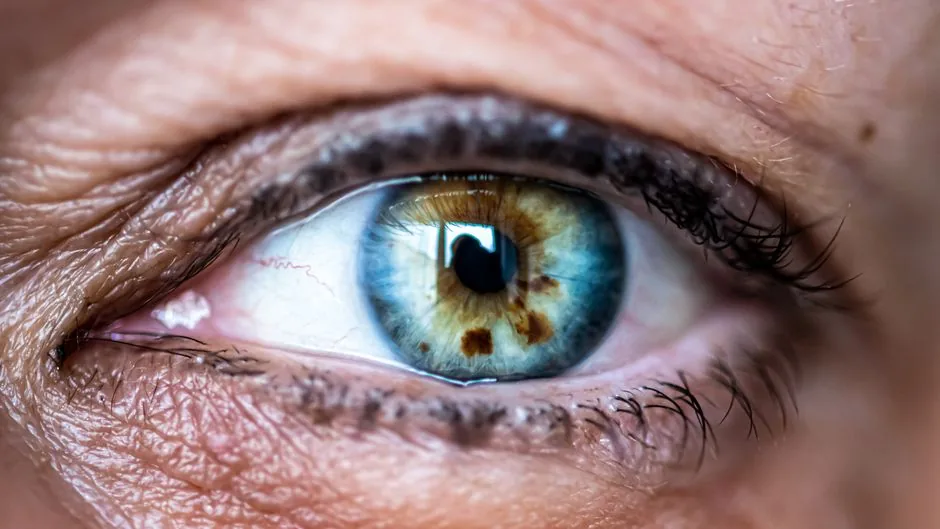
If you could peer inside a cataractfilled eye, youd see a hazy, brownishyellow tint that blurs everything behind it. Everyday objects may look foggy and reading can become more difficult when such clouding develops.
What does it actually look like when taken out?
When the surgeon removes the cataract, youll often see a compact, whitishgray blob on the surgical tray. In modern phacoemulsification, the cloud is fragmented into tiny crumbs that look like a pile of powdered sugar. With femtosecondlaserassisted surgery, the lens is cut into six neat pieces, each about the size of a grain of rice, that are then suctioned away.
Typical size & texture
- Diameter: roughly the size of the natural lens (about 9mm)
- Consistency: softgelatinous when intact, but becomes crumbly after ultrasonic breaking
- Color: offwhite to gray, never clear
Surgery Process Overview
Preop preparations
Most surgeons use a quick eye drop to numb the surface, and you stay awake the whole time. A gentle whoosh of air may be used to keep the eye still, which feels like a cool breeze on your face.
Phacoemulsification the most common technique
The surgeon makes a tiny, selfsealing incision (about 23mm) and inserts a tiny probe that vibrates at ultrasonic frequencies. This breaks the cataract into microscopic particles that are then suctioned out. The whole micromanaged dance takes roughly 1015minutes.
Femtosecond laserassisted surgery
A laser first creates precise cuts in the lens, slicing it into six segments. This reduces the amount of ultrasound energy needed, which can be gentler on the eye. The resulting pieces look like tiny puzzle pieces on the tray.
Manual smallincision extraction
Used less often today, the surgeon manually removes the lens through a slightly larger incision (about 34mm) without breaking it up. The extracted cataract appears as a single, solid globe.
What happens to the removed cataract?
After removal, the tissue is treated as biomedical waste and disposed of according to strict regulations. In some research settings, saved fragments are examined to study agerelated changes in the eye.
Intraocular lens (IOL) placement
Once the cloudy lens is gone, a clear artificial lens is folded and slid into place. It unfolds inside the eye, restoring focus instantly for most patients.
FAQs About Cataracts
What are the disadvantages of cataract surgery?
While success rates are generally high, risks include infection, temporary glare, and the rare chance of retinal detachment. A Mayo Clinic overview notes that serious complications occur in fewer than 1 in 1,000 cases.
How long between cataract surgery on each eye?
A common approach is to allow the first eye to heal and visual comfort to stabilize before proceeding with the second eye; your surgeon will determine the appropriate interval for you.
How long does cataract surgery take?
The actual laser or ultrasound portion typically lasts around 10 to 20 minutes, but you should budget about an hour for prep, the procedure, and postop monitoring.
How long does it take for cataract surgery to heal?
Many patients notice clearer vision within a day, but full visual stability can take several weeks as the eyes natural healing processes settle.
What is the cost of cataract surgery?
In the United States, outofpocket costs range from $3,000 to $5,000 per eye, depending on insurance coverage and the type of intraocular lens selected.
What are the 3 types of cataract surgery?
- Phacoemulsification (ultrasonic breaking)
- Femtosecond laserassisted
- Manual smallincision extraction
Im terrified of cataract surgery any tips?
Its completely normal to feel anxious. Watching a video of cataract surgery can demystify the process. Talk openly with your surgeon about any worries, practice deepbreathing, and bring a trusted friend for support.
Benefits vs Risks
Benefits you can see
After the cloudy lens is gone, colors become richer, reading becomes easier, and you regain the confidence to drive at night without glare. Studies from the American Academy of Ophthalmology show that 94% of patients report much better vision.
Potential risks & mitigation
| Risk | Incidence | How surgeons reduce it |
|---|---|---|
| Infection (Endophthalmitis) | rare | Prophylactic antibiotics, sterile technique |
| Posterior capsule rupture | uncommon | Experienced surgeon, careful ultrasound settings |
| Postoperative glare/halo | some patients | Choice of IOL, proper wound sealing |
Realworld case study
Sarah, a 68yearold retiree, described her surprise when she saw the extracted cataract on the tray: It looked like a tiny snowball that had melted a bit definitely not the clear liquid I imagined! After her surgery, she reported reading her favorite mystery novels without squinting, and the visual contrast shed missed for years felt like stepping out of a fog into bright sunshine.
Expert Sources & Data
Medical authority citations
Reputable sources such as the Mayo Clinic, the American Academy of Ophthalmology, and the National Health Service (NHS) publish peerreviewed data on success rates, complication statistics, and postoperative care.
Suggested expert quotes
Dr. Maria Lopez, a boardcertified ophthalmologist with 15years of cataractsurgery experience, says: When you look at the removed lens fragment, you instantly know the surgery was successful its a solid piece of protein that has been safely taken out, making way for a crystalclear artificial lens.
Data & statistics
- Success rates are generally high, with many patients achieving improved vision.
- Serious complications are uncommon.
- Full visual stability may take several weeks.
Your Next Steps
What to expect on the day of surgery
- Arrive with a light breakfast.
- Eye drops will numb the surface.
- A brief whoosh of air may keep the eye steady.
- Procedure lasts about 15minutes; youll be awake.
- Postop: youll wear a protective shield for the first night.
Postop care tips
- Use prescribed eye drops as directed by your prescriber. For example, some guidelines may indicate a frequency of four to six times daily during the first week, but your own healthcare professional will set the exact schedule for you.
- Avoid heavy lifting or bending for a week.
- Wear sunglasses outdoors for a month to protect against UV light.
- Schedule a followup visit within 2448hours.
Questions to ask your surgeon
- Will I see the removed cataract? What does it look like?
- Which type of surgery do you recommend for me and why?
- What are the realistic visual outcomes I can expect?
- How long should I wait before operating on the second eye?
- What are the most common sideeffects I should watch for?
Conclusion
Seeing a cataract removed is like watching a cloudy window being lifted away you get an instant sense of clarity. The solid, opaque fragment that lands on the tray confirms that the cloud has been safely extracted, making room for a crisp, clear artificial lens. Understanding this visual can ease anxiety, help you weigh the bright benefits against the modest risks, and empower you to ask the right questions before stepping into the operating room. If youre considering surgery, review a trusted video, talk openly with your eye doctor, and use the checklist above to feel prepared. Your clearer vision is just a few confident steps away.








