Not medical advice — written by Ngoc Vietsmall, who is not a healthcare professional.
This article summarises publicly available medical information for general readers. It cannot account for your history, medication or symptoms, and it is not a diagnosis or a treatment plan. Any dose mentioned comes from published labelling or guidelines — only your own prescriber can decide what is right for you.
Always speak to a doctor or pharmacist before starting, stopping or changing any treatment. If symptoms are severe or getting worse, seek urgent care. Full disclaimer · How this is written
Hey there—if you’ve ever felt like your body’s autopilot is glitching, you’re not alone. Dysautonomia isn’t a single disease; it’s a whole squad of conditions that can throw the part of your nervous system that runs things like heart rate, blood pressure, digestion, and temperature control out of sync. Below you’ll find a friendly, down‑to‑earth guide that walks through every major type, the tell‑tale symptoms, how doctors figure it out, and what life looks like after a diagnosis.
What Is Dysautonomia
In plain English, dysautonomia means your autonomic nervous system (ANS) is misbehaving. Think of the ANS as the invisible driver that keeps your heart beating, your lungs breathing, and your stomach digesting without you having to think about it. When that driver goes rogue, you might feel light‑headed, have an odd heart rhythm, get weird stomach sensations, or even sweat like you just ran a marathon while sitting still.
Why does this matter? Because the symptoms often masquerade as anxiety, fatigue, or other common ailments, leading many to dismiss them or chalk them up to “just being stressed.” Spotting the pattern early can save you from unnecessary suffering and point you toward the right specialists.
15 Dysautonomia Types
Below is the quick‑look reference for the 15 recognized forms. Each row lists the condition, its hallmark symptoms, typical triggers, and the most common misdiagnosis. Use it as a cheat‑sheet when you’re trying to make sense of that endless list of weird sensations.
| Type | Primary Symptom Cluster | Typical Triggers | Common Misdiagnosis |
|---|---|---|---|
| Postural Orthostatic Tachycardia Syndrome (POTS) | Rapid heart‑rate increase (≥30 bpm) on standing, dizziness, brain fog, fatigue | Prolonged standing, heat, dehydration | Anxiety or panic attacks |
| Neurogenic Orthostatic Hypotension (nOH) | Drop in blood pressure >20 mmHg on standing, fainting, blurry vision | Rapid postural changes, medications that lower BP | Dehydration or medication side‑effects |
| Vasovagal Syncope (Neurocardiogenic) | Sudden fainting, nausea, sweating, trigger‑related (e.g., pain, emotions) | Emotional stress, prolonged standing | Heart arrhythmia |
| Inappropriate Sinus Tachycardia (IST) | Resting heart rate >100 bpm, palpitations, feeling “on edge” | Stress, caffeine, hormonal changes | Anxiety disorder |
| Autoimmune Autonomic Ganglionopathy (AAG) | Severe orthostatic intolerance, dry mouth, gastrointestinal dysmotility | Autoimmune flare‑ups | Multiple sclerosis |
| Multiple System Atrophy (MSA) | Parkinson‑like rigidity, poor bladder control, extreme BP swings | Progressive neurodegeneration | Parkinson’s disease |
| Pure Autonomic Failure (PAF) | Chronic low blood pressure, erectile dysfunction, dry skin | Age‑related autonomic loss | Medication side‑effects |
| Familial Dysautonomia (FD) | Loss of pain sensation, feeding difficulties, frequent respiratory infections | Genetic (Ashkenazi Jewish ancestry) | Other genetic neuropathies |
| Diabetic Autonomic Neuropathy | Gastroparesis, urinary retention, erectile dysfunction | Long‑standing diabetes | General gastrointestinal disorders |
| Parkinson‑Related Dysautonomia | Orthostatic drops, constipation, REM‑sleep behavior disorder | Progression of Parkinson’s disease | Standard Parkinsonian symptoms only |
| Hereditary Sensory & Autonomic Neuropathy (HSAN) | Numbness, temperature regulation problems, foot ulcers | Genetic mutations | Peripheral neuropathy |
| Baroreflex Failure | Labile blood pressure, pounding headaches, tinnitus | Neck surgery or radiation | Hypertension or migraine |
| Central Dysautonomia (e.g., post‑stroke) | Variable—often combined motor & autonomic loss | Brain injury or stroke | Stroke sequelae only |
| Small‑Fiber Neuropathy | Burning pain, abnormal sweating, GI upset | Autoimmune or idiopathic | Fibromyalgia |
| Post‑COVID Dysautonomia | POTS‑like symptoms after SARS‑CoV‑2 infection, lingering fatigue | Recent COVID‑19 infection | Long‑COVID fatigue only |
Spotlight: POTS – The “Standing‑Up” Syndrome
Imagine standing up to fetch a glass of water, and suddenly your heart races like you just sprinted a mile. That’s classic POTS. It’s one of the most common forms, especially among women of childbearing age. If you’ve ever felt “brain fog” after standing for a few minutes, this could be it. The good news? Simple lifestyle tweaks—like increasing salt intake, wearing compression stockings, and doing a gentle “tilt‑table” exercise at home—can make a huge difference.
Spotlight: nOH – The Silent Drop
Neurogenic Orthostatic Hypotension feels like the world literally tilts when you rise. A sudden dip in blood pressure can cause you to see stars, feel shaky, or even faint. It’s often seen in older adults or those with Parkinson’s disease. Staying hydrated, rising slowly, and using a bedside “elevated head” pillow can reduce the risk of those scary drops.
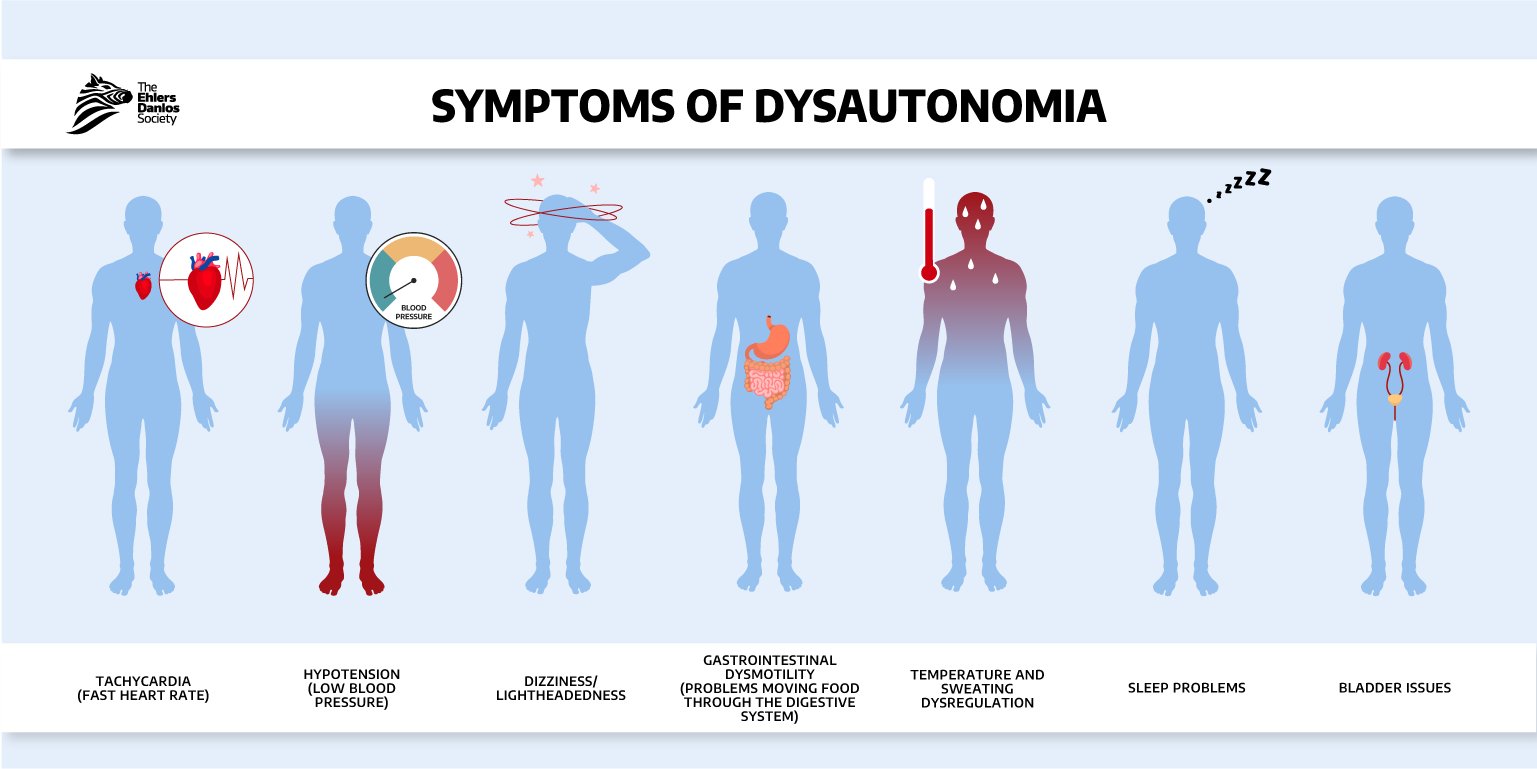
Symptom Checklist
If you’re wondering, “Do I have dysautonomia?” the first step is a self‑assessment—but remember, a quiz can guide you, not replace a medical evaluation. Grab a pen and run through the list below. Tick any that sound familiar.
| System | Symptoms to Notice |
|---|---|
| Cardiovascular | Rapid heartbeat on standing, fainting, palpitations, chest discomfort |
| Gastro‑intestinal | Nausea, early satiety, constipation, diarrhea, gastroparesis |
| Thermoregulatory | Excessive sweating, feeling cold, heat intolerance |
| Neurological | Brain fog, migraines, tremors, loss of pain sensation |
| Genitourinary | Bladder urgency, urinary retention, erectile dysfunction |
When you spot a cluster of two or more categories, it’s worth bringing up with your primary‑care physician. Red‑flag symptoms—like sudden severe chest pain, unexplained weight loss, or frequent fainting—should trigger an immediate medical visit.
Diagnosis Steps
Getting a formal diagnosis usually involves a step‑by‑step journey, starting with your doctor’s curiosity and ending with specialized tests.
First Contact – Primary Care
Your doctor will ask detailed questions, perform a basic physical exam, and likely order blood work to rule out thyroid issues, anemia, or infection. They may also suggest an online “Do I have dysautonomia?” quiz to gauge symptom patterns before referring you.
Specialist Referral – Neurology or Cardiology
Most specialists will schedule a tilt‑table test, where you’re strapped to a table that gradually moves you from lying down to standing. The machine tracks heart rate and blood pressure changes in real time. Other tools include:
- QSART (Quantitative Sudomotor Axon Reflex Test) – measures sweat gland activity.
- Autonomic Reflex Screen – a battery of tests evaluating heart rate variability, blood pressure response, and pupil reactions.
According to Cleveland Clinic, a definitive diagnosis often requires a combination of clinical history, physical findings, and at least one objective autonomic test.
Differential Diagnosis
Because symptoms overlap with anxiety, chronic fatigue syndrome, thyroid disorders, and even medication side‑effects, doctors must carefully rule out these possibilities. That’s why the “symptom checklist” you did earlier is such a powerful conversation starter—it shows you’ve done the homework and helps clinicians see the bigger picture.
Prognosis & Risks
Let’s address the big, sometimes scary questions: “Can dysautonomia kill you?” and “What’s the life expectancy?”
Life Expectancy
For most forms—especially POTS, nOH, and IST—life expectancy is essentially normal when managed well. The tougher news is that neurodegenerative forms like Multiple System Atrophy (MSA) or Familial Dysautonomia can shorten lifespan because they affect multiple organ systems.
Potential Complications
- Severe hypotension leading to fainting injuries.
- Cardiac arrhythmias in rare cases, especially when heart rate spikes dramatically.
- Dehydration from chronic low blood pressure or gastrointestinal dysfunction.
Fortunately, most complications are preventable with proper medication (e.g., fludrocortisone for blood pressure support), lifestyle adjustments, and regular monitoring.
Is Dysautonomia Autoimmune?
Some types, like Autoimmune Autonomic Ganglionopathy (AAG) and certain cases of POTS, are indeed driven by the immune system attacking nerves. In those scenarios, immunomodulatory therapies—like IVIG or steroids—can be game‑changers. However, not every dysautonomia condition is autoimmune; many stem from genetic factors, neurodegeneration, or even infections.
Living With Dysautonomia
Now that you’ve got the medical side sorted, let’s talk everyday life. Managing dysautonomia isn’t about “curing” it—most forms are chronic—but about learning how to work with your body’s quirks.
Daily Coping Strategies
- Salt and Fluid Boost: Add a pinch of salt to meals and sip water throughout the day. Many patients aim for 2–3 L of fluid daily.
- Compression Garments: Graduated stockings help keep blood from pooling in your legs.
- Gentle Exercise: Recumbent biking, swimming, or “recumbent yoga” builds cardiovascular tone without the upright stress.
- Temperature Awareness: Dress in layers, avoid hot showers, and keep cool during summer heat waves.
- Scheduled Rest: Short, frequent breaks during long periods of standing or work can stave off dizziness.
Support Networks
Connecting with people who “get it” can make a world of difference. Organizations like Dysautonomia Support and Dysautonomia International host forums, webinars, and local meet‑ups. Sharing stories—like how a simple change in bedtime routine reduced one person’s night‑time drops—helps everyone feel less isolated.
When to Seek Urgent Care
If you experience any of the following, call emergency services or go to the nearest ER:
- Sudden, severe chest pain or palpitations that don’t resolve.
- Fainting with injury or persistent loss of consciousness.
- Rapid, unexplained weight loss combined with worsening GI symptoms.
- Signs of severe dehydration (dry mouth, dark urine, dizziness that doesn’t improve with fluids).
Key Takeaways
Dysautonomia is a diverse family of conditions—15 recognized types, each with its own symptom fingerprint. By using a symptom checklist, seeking targeted diagnostic testing, and embracing practical lifestyle tweaks, you can take control of a condition that often feels unpredictable. Most forms allow for a normal, fulfilling life when managed well, and a supportive community is just a click away.
If any of this resonates with you, I encourage you to download a printable version of the symptom checklist (linked at the top of the article), join a supportive forum, and schedule a conversation with a specialist. You don’t have to navigate this alone—there’s always a friend ready to listen and a doctor ready to help.
What’s your experience with dysautonomia? Have you discovered a tip that works wonders for you? Share your story in the comments below or reach out directly—together we’re stronger.