Not medical advice — written by Ngoc Vietsmall, who is not a healthcare professional.
This article summarises publicly available medical information for general readers. It cannot account for your history, medication or symptoms, and it is not a diagnosis or a treatment plan. Any dose mentioned comes from published labelling or guidelines — only your own prescriber can decide what is right for you.
Always speak to a doctor or pharmacist before starting, stopping or changing any treatment. If symptoms are severe or getting worse, seek urgent care. Full disclaimer · How this is written
Found a tiny critter clinging to your skin or your pets fur and wondering, What on earth is that? The good news is you can usually tell the species in just a few minutesjust snap a clear picture, upload it to a trusted portal, and get a reliable ID.
Knowing the exact tick matters because different species carry different diseases. But its also important to understand the limits of a photoonly approach, so you stay safe without stressing over every little speck.
Why Photo ID Matters
When a tick shows up, time feels like it speeds up. You start thinking about Lyme disease, rash, feversyour mind races. A fast, accurate ID can calm those nerves and guide you on the next steps, whether that means watching for symptoms, calling your doctor, or simply removing the tick safely.
On the flip side, relying solely on a photo can sometimes lead to misidentification, especially with immature stages that look very similar across species. Thats why well walk through how to maximize accuracy, balance the benefits and risks, and know when to seek a professional opinion.
Take Perfect Photo
Think of taking a tick photo like capturing a tiny insect in a magnifying glasslighting, focus, and angle are everything. Heres a quick cheatsheet to get you from meh to wow in just a few steps.
Gear Up
- Smartphone with a macro lens attachment works great; if you have a dedicated macro lens, even better.
- Use natural daylight whenever possiblenear a window or outdoors on a cloudy day avoids harsh shadows.
- A plain white or lightcolored background (a piece of paper works) makes the tick stand out.
FiveStep Photo Guide
- Place the tick flat on the background, gently press with a piece of clear tape to keep it still.
- Zoom in until the tick fills the frame, but keep the whole body in view.
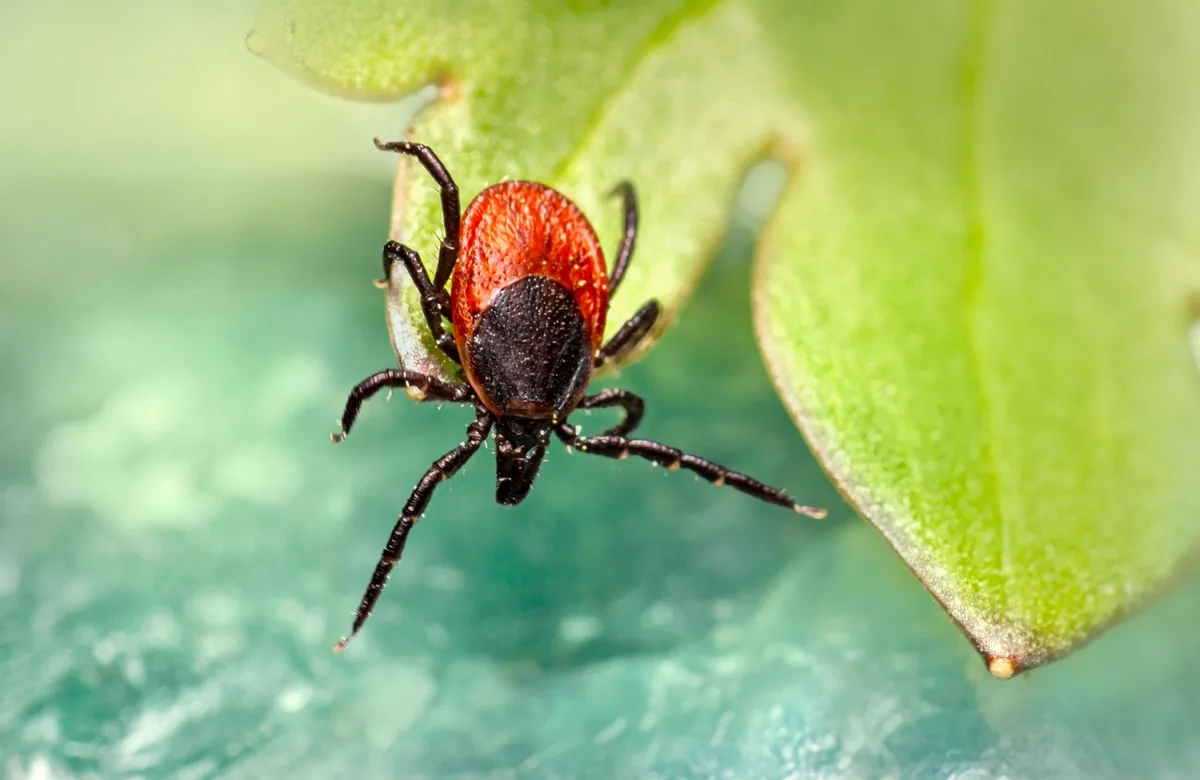
- Take a closeup of the dorsal side (the back)this shows the scutum, legs, and festoons.
- Rotate the tick and snap a second photo of the ventral side (the belly) to capture mouthparts.
- Finally, place a ruler or a coin next to the tick for size referencethis helps with tick pictures actual size comparisons.
Photo Anatomy Checklist
| Feature | Why It Matters |
|---|---|
| Scutum (shield) | Pattern and color differentiate species. |
| Festoons (small bumps) | Presence suggests certain Ixodes species. |
| Mouthparts | Angle and shape help identify life stage. |
| Size reference | Adult deer ticks are ~3mm; larvae are only 0.5mm. |
Upload & Get Results
Now that you have a crisp image, where do you send it? Several state health departments and university labs offer free, quick identification services.
Popular Free Portals
- University of Rhode Island TickEncounter uploads reviewed by entomologists within 24hours.
- Pennsylvania Tick Identification Lab (tick identification PA) free service for residents and nonresidents.
- CDCs interactive tick ID tool a good backup when state resources arent available.
What to Include With Your Photo
Providing context boosts accuracy dramatically. Always add:
- Exact date and location (state, county, or GPS coordinates).
- Host human, dog, deer, or other animal.
- Life stage if you can tell (larva, nymph, adult).
Template for Submission
Copypaste this short note when you upload:
Date: 20250827
Location: Worcester, MA (near campus)
Host: Human (arm)
Life stage: Adult female
Additional notes: Tick was attached for ~12hours, no symptoms yet.
Species Spotlights
Different hosts and regions bring different tick lineups. Below are quick visual cues for the most common culprits you might encounter.
Dog Tick Identification
When your furry friend comes back from a hike, look for a brownish tick with a lightercolored dorsal shield and often three pairs of legs visible. The American dog tick (Dermacentor variabilis) typically has white festoons at the edge of the scutum.
Deer Tick Identification
Also known as the blacklegged tick, its smallabout the size of a grain of sand when unfed. Its scutum is a dark brown oval, and the legs are noticeably black. This is the species most associated with Lyme disease.
Human Tick Photo Tips
If you need a picture of a tick on a human, gently lift the tick with tweezers, place it on a piece of clear tape over a white card, and photograph. Capture both the whole tick and a closeup of the mouthpartsthis helps experts differentiate between a deer tick and a dog tick.
Regional Galleries
- Washington State: pictures of ticks in Washington state showcase the western blacklegged tick and the Pacific Coast tick.
- Massachusetts: tick identification Massachusetts resources feature detailed charts for local species.
Next Steps After ID
Once you receive a species name, its time to act based on the associated disease risk.
If Its a BlackLegged (Deer) Tick
These ticks can carry Lyme disease, Anaplasmosis, and Babesiosis. Watch for a bullseye rash, fever, chills, or joint pain over the next few weeks. If any symptoms appear, see a doctor promptly and mention the tick species.
If Its an American Dog Tick
They are vectors for RockyMountain spotted fever and tularemia. Symptoms often include sudden fever and a rash that starts on the wrists and ankles. Again, early medical attention is key.
Inconclusive or Uncertain Results
When the ID service says inconclusive, dont panic. Collect the tick in a sealed plastic bag with a damp paper towel, label it, and send it to a state lab for DNA testing. Keeping the specimen intact preserves the chance for a definitive answer.
Decision Flowchart
| Step | Action |
|---|---|
| Photo ID | Check disease risk Monitor symptoms Consult physician if needed. |
| Inconclusive | Preserve tick Submit to DNA lab Follow up on results. |
Trusted Sources
Good advice comes from reliable experts. The most trustworthy places to turn to include:
- The Centers for Disease Control and Prevention (CDC) their tickborne disease overview offers uptodate prevalence maps and symptom checklists.
- University entomology departments (e.g., University of Rhode Island, Michigan State University) they publish peerreviewed identification charts and seasonal tick activity reports.
- State health departments their local tick identification portals reflect the species actually found in your area, ensuring the best match.
When you reference these sources in your own notes, add proper citations (author, year, URL) to keep your information transparent and credible.
Quick Reference Tools
Weve compiled a few handy downloads you can keep on your phone or print and stick on the fridge.
Printable Tick Photo Checklist
Use this PDF before you head out hiking or while youre cleaning up after a walk. It reminds you of lighting, background, and sizereference tips.
Interactive What Tick Did I See? Quiz
Test your new knowledge with a short online quiz (search tick identification quiz). Its a fun way to reinforce the visual cues you just learned.
Comparison Table: Charts vs. Apps
| Tool | Pros | Cons |
|---|---|---|
| Tick Identification Chart | Visible sidebyside traits, offline. | Requires some entomology knowledge. |
| iNaturalist App | Communityverified IDs, fast. | Quality varies; not medical advice. |
| CDC TickID Tool | Official, diseasefocused. | Limited to U.S. species. |
Conclusion
Identifying a tick by photo can be a gamechanger when you need quick answers and peace of mind. By snapping a clear picture, using trusted upload portals, and understanding the speciesspecific health risks, you protect yourself, your family, and your pets without unnecessary panic. Keep a simple checklist nearby, know when to call a professional, and remember that a tiny picture can hold big information. Stay safe, stay curious, and share your own tickspotting stories with friendsknowledge is best when it spreads.