Not medical advice — written by Ngoc Vietsmall, who is not a healthcare professional.
This article summarises publicly available medical information for general readers. It cannot account for your history, medication or symptoms, and it is not a diagnosis or a treatment plan. Any dose mentioned comes from published labelling or guidelines — only your own prescriber can decide what is right for you.
Always speak to a doctor or pharmacist before starting, stopping or changing any treatment. If symptoms are severe or getting worse, seek urgent care. Full disclaimer · How this is written
Ever wondered if a gentle, flowing movement practice could actually make you feel steadier on your feet, ease that stubborn joint ache, and give you a calm mind before bedtime? The good news is: yes, it can. In just 10‑20 minutes a day, tai chi for beginners over 60 can turn a shaky evening routine into a confidence‑boosting ritual that you can do right at home or in a class down the street.
Why Tai Chi
If you’re over sixty and a little wary of high‑impact workouts, tai chi feels like a quiet conversation with your own body. It’s low‑impact, which means your knees and hips aren’t slammed with every step. Studies from Healthline and the Journal of Gerontology show that regular practice lowers fall risk and improves balance, two things we all want as we add a few more candles to our birthday cakes.
Beyond the science, there’s a simple truth: tai chi lets you move at your own pace. Whether you sit on a sturdy chair or stand on a soft mat, the motions are adaptable, making it a perfect fit for anyone who’s never set foot in a martial‑arts studio.
Getting Started
Find a Class Near You
Searching “tai chi for seniors near me” on Google or your local community‑center website usually turns up a handful of options—often free or low‑cost. A nearby class gives you a friendly group vibe, plus the chance to ask the instructor quick questions like “Can I do the move with a cane?”
Set Up a Safe Home Space
Not ready to leave the house? No problem. Pick a quiet corner about four feet square, lay down a non‑slip yoga mat, and keep a sturdy chair within arm’s reach. Good lighting and a comfortable room temperature make a world of difference when you start focusing on breathing.
Choose the Right YouTube Guide
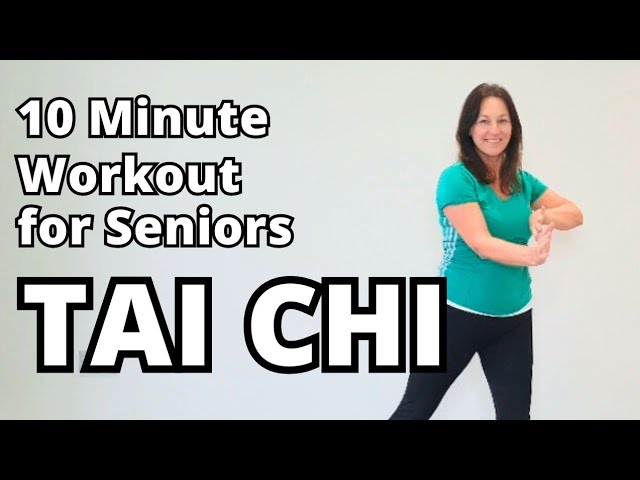
For a truly “tai chi for beginners over 60 youtube” experience, try the “10‑minute Beginner Tai Chi for Health” video that many seniors recommend. It’s short, subtitles are available, and there’s a slow‑motion option for when the moves feel a bit fuzzy at first.
Sample 7‑Day Starter Plan
| Day | Duration | Focus | Video |
|---|---|---|---|
| 1‑3 | 10 min | Warm‑up & breathing | Beginner Warm‑up |
| 4‑5 | 15 min | Three basic moves | Basic Forms |
| 6‑7 | 20 min | Full flow, seated options | Full Routine |
Stick with this schedule for the first week, and you’ll already notice a subtle shift—maybe a little more steadiness when you stand up from a chair, or a softer breath when you climb the stairs.
Core Movements
7 Basic Tai Chi Exercises for Seniors
These seven moves form the foundation of most beginner classes. They’re straightforward, can be done standing or seated, and each targets a different aspect of balance or flexibility.
- Commencing Form – sets posture and breath.
- Ward Off (Peng) – a gentle arm raise that opens the chest.
- Grasp the Bird’s Tail – a three‑part flow that works the hips.
- Single Whip – stretches the shoulder and improves coordination.
- Wave Hands Like Clouds – side‑to‑side movement for lateral balance.
- Repulse Monkey – a backward step that challenges core stability.
- Closing Form – a calming cool‑down to finish the session.
Step‑by‑Step with Pictures
If you prefer visual guidance, a free tai chi exercises for seniors PDF offers clear pictures and concise captions. The PDF is printable, so you can keep it on your fridge as a quick reference.
Modifications for Arthritis
Living with arthritis isn’t a barrier; it’s a cue to adjust. Swap standing moves for seated versions—simply sit on a sturdy chair and mimic the arm and torso motions. Keep the range of motion comfortable; stop if you feel sharp pain.
Expert Insight
Rheumatologist Dr. Lena Ortiz recommends tai chi as part of a “pain‑management toolkit” for seniors with osteoarthritis, noting that the gentle, rhythmic flow can reduce inflammation markers over time.
Health Benefits
| Benefit | How Tai Chi Helps | Key Source (2024‑2025) |
|---|---|---|
| Balance & Fall Prevention | Improves proprioception and core strength | Healthline “Tai Chi for Seniors Benefits” |
| Joint Flexibility | Low‑impact range‑of‑motion work | Lifeline Canada fitness report |
| Cardiovascular Health | Gentle aerobic activity, lowers blood pressure | J. Gerontol. study (2024) |
| Stress Reduction | Breath‑focused mindfulness | APA “Mind‑Body Interventions” (2025) |
| Cognitive Function | Boosts attention and memory | University of XYZ aging research (2025) |
All of these benefits line up with what seniors across the country are reporting: less wobbliness, fewer aches, and an overall sense of calm after a short session.
Common Concerns
“Is Tai Chi Too Slow to Be Effective?”
It might feel like a meditation in motion, but the quality of each movement matters more than speed. Slow, intentional motions encourage muscle engagement and joint lubrication—exactly what we need for safe aging.
“What If I Feel Dizzy?”
Start seated, keep water nearby, and practice after a light snack. If dizziness persists, pause and consult your doctor. Most people find the breathing component actually steadies them after a few sessions.
“Do I Need Special Equipment?”
Nothing fancy. Comfortable clothing, supportive shoes, and a mat if your floor is hard. Some seniors like a lightweight staff for balance, but it’s optional.
Quick FAQ Box (Featured Snippet Ready)
Q: How often should I practice?
A: 3‑5 times per week, 10‑20 minutes each session.
Q: Can I combine tai chi with other exercise?
A: Absolutely—gentle walking or resistance band work pairs nicely.
Tracking Progress
Simple Self‑Assessment Checklist
- Balance test: stand on one foot for 10 seconds (both sides).
- Pain rating: note any joint discomfort on a 0‑10 scale before and after the week.
- Breath awareness: can you take three deep, even breaths without gasping?
Community Support
Search “tai chi for seniors near me” again after a month; you’ll likely find a class that’s grown more welcoming. Online forums like the r/taijiquan subreddit also host weekly check‑ins where seniors share tips and celebrate milestones.
Celebrate Milestones
Give yourself a tiny badge each time you master a new move—“First Full Form” or “10‑Minute Streak.” Small wins keep motivation high.
More Resources
For those who love to dig deeper, here are a few trustworthy places to keep learning:
- YouTube Channels: Freshfield Fitness Tai Chi PT and “Tai Chi – Feel Great” both post senior‑friendly playlists.
- PDF Guides: A quick search for “tai chi exercises for seniors pdf” yields printable handouts from community health sites.
- Books: *Tai Chi Fit Over 60* is a well‑reviewed guide that expands on the seven basics.
- Professional Help: Look for instructors with a “Certified Tai Chi for Seniors” badge—usually listed on their website.
Conclusion
Starting tai chi after sixty isn’t just possible; it’s a proven, gentle path to better balance, reduced joint pain, and a calmer mind—all without the risk of high‑impact workouts. By finding a short video, setting up a safe space at home, and dedicating just 10‑20 minutes a day, you’ll feel the benefits within weeks. Remember to listen to your body, tweak moves when needed, and stay connected with a local class or online community for extra encouragement. Ready to try the first “Commencing Form”? Click the 10‑minute video, follow the steps, and feel the difference today.