



Not medical advice — written by Ngoc Vietsmall, who is not a healthcare professional.
This article summarises publicly available medical information for general readers. It cannot account for your history, medication or symptoms, and it is not a diagnosis or a treatment plan. Any dose mentioned comes from published labelling or guidelines — only your own prescriber can decide what is right for you.
Always speak to a doctor or pharmacist before starting, stopping or changing any treatment. If symptoms are severe or getting worse, seek urgent care. Full disclaimer · How this is written
Got bit by a lonestar tick and wondering if youre headed for a redmeat allergy or something worse? The short answer is: you need to spot the bite, know the warning signs, and act fastignoring it can turn a tiny nuisance into a serious health issue.
Knowing exactly what to look for, how to test, and which treatments work can protect both you and your furry friends. Lets break it all down together, step by step, like a chat over coffee.
What Is It?
Understanding the LoneStar Tick
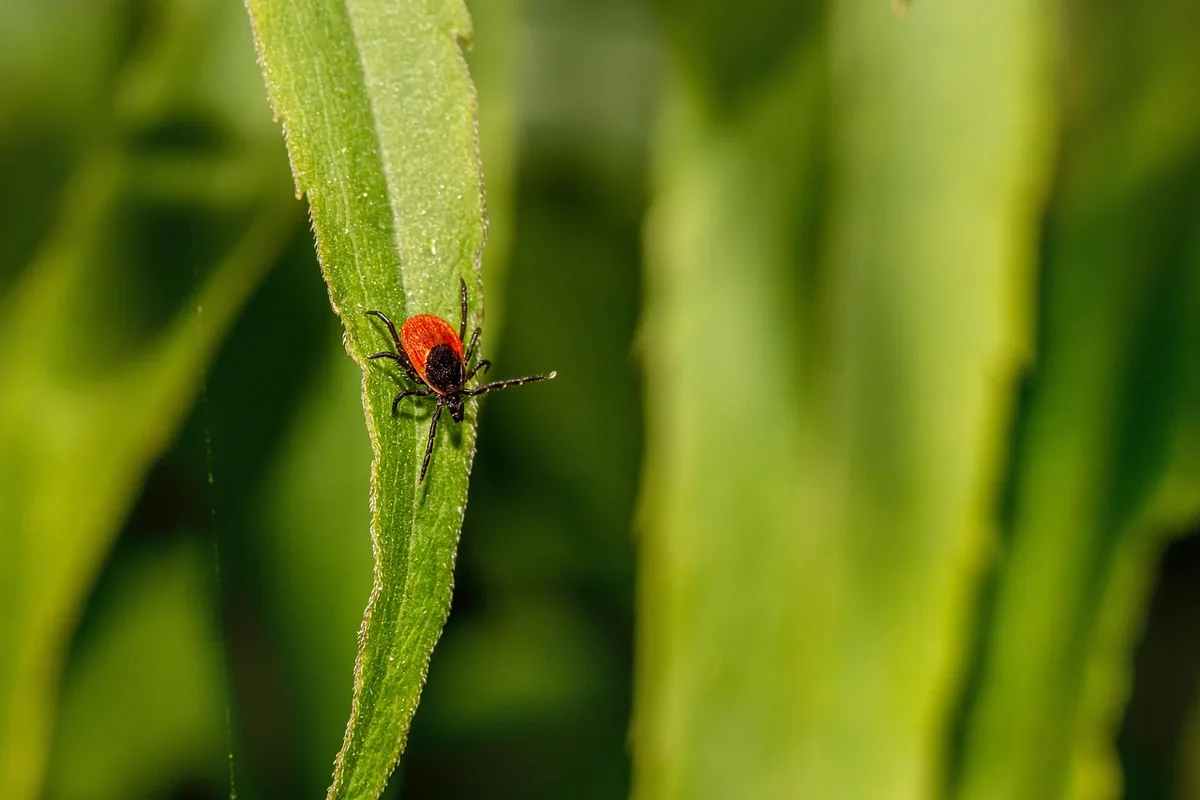
The lonestar tick (Amblyomma americanum) is the most common tick in the southeastern and eastern United States. Its distinctive white star on the back of adult females makes it easy to spotbut dont let the cute name fool you; its a carrier of several nasty diseases.
Why Call It a Disease Tick?
Unlike some ticks that only spread a single illness, the lonestar can transmit a handful of pathogens, including:
- Alphagal syndrome (the redmeat allergy)
- Ehrlichiosis
- Southern TickAssociated Rash Illness (STARI)
- Heartland virus
- Bourbon virus
All of these are listed by the CDC, which means theyve been studied and confirmed.
How It Spreads
How Long Must a Tick Be Attached?
Most pathogens need the tick to stay attached for at least 2448hours before theyre transmitted. The alphagal molecule that triggers the meat allergy can sometimes be passed after as little as 4hours, but the risk rises dramatically after a full day.
| Pathogen | Min. Attachment Time | Transmission Risk |
|---|---|---|
| Alphagal (meat allergy) | 4hrs | Lowtomoderate (increases after 24hrs) |
| Ehrlichia spp. | 24hrs | Moderatetohigh |
| STARI | 24hrs | Moderate |
| Heartland / Bourbon virus | 48hrs | Low (still possible) |
What Is the AlphaGal Molecule?
Alphagal is a sugar found in the ticks saliva. When it enters your bloodstream, your immune system can start producing IgE antibodies against it. Later, when you eat beef, pork, or lambfoods that also contain alphagalyou might experience hives, stomach cramps, or even anaphylaxis.
Can Dogs Catch It Too?
Yes, but the story is a bit different for our canine companions. Dogs can get ehrlichiosis and STARI from the same tick, but they dont develop the redmeat allergy. Instead, they may show fever, lethargy, and joint pain.
Spotting Symptoms
Early Local Reaction
Within a day or two after a lone star tick bite, many people notice a small red bump where the tick was attached. Some get a rash that looks like a bullseye, while others develop a rash similar to Lyme diseasecalled STARI. The rash is usually painless and fades in a couple of weeks.
Systemic Signs by Disease
- Alphagal syndrome: Delayed allergy to red meat (often 36hours after eating), hives, swelling, or even anaphylaxis.
- Ehrlichiosis: Fever, severe headache, muscle aches, low platelet count, and sometimes a rash on the chest.
- Heartland & Bourbon viruses: Flulike symptomsfever, fatigue, nauseasometimes leading to more serious complications.
Special Cases
Children and older adults may present milder or atypical symptoms, so a high index of suspicion is key if theyve been outdoors in tickprone areas.
Testing & Diagnosis
Lab Tests You Can Ask For
If you suspect a tickborne illness, tell your doctor you want specific tests. For alphagal syndrome, the most reliable test is a blood test for galspecific IgE antibodies. The Mayo Clinic recommends this test to confirm the allergy.
For ehrlichiosis or viral infections, doctors typically order PCR or serology tests that look for the pathogens DNA or antibodies.
Physical Exam Clues
Beyond blood work, your clinician will check for:
- Localized tick bite site (often still visible)
- Rash patterns (STARI vs. other rashes)
- Enlarged lymph nodes or spleen
When to SelfMonitor vs. See a Doctor
If you only have a tiny bump and no other symptoms, you can watch for 48hours while keeping the bite site clean. However, any fever, rash spreading, or digestive upset after eating red meat warrants immediate medical attention.
Treatment & Care
Managing the Meat Allergy
The cornerstone is avoidance. Create a simple checklist:
- Read ingredient labels for beef, pork, lamb, and gelatin.
- Ask about meat in restaurant dishes.
- Carry an epinephrine autoinjector if youve had a severe reaction before.
Antibiotics for Ehrlichiosis & STARI
Most doctors prescribe doxycycline for a 10day course. Its effective for both ehrlichiosis and the STARI rash. Remember, early treatment prevents complications.
Supportive Care for Viral Infections
Theres no specific antiviral for Heartland or Bourbon virus, so rest, hydration, and overthecounter pain relievers are the mainstay. Keep an eye on feverif it spikes above 103F, seek care.
Veterinary Treatment for Dogs
Dogs with ehrlichiosis get a similar doxycycline regimen, adjusted for weight. Preventive tick productscollars, topical sprays, or oral medicationsare essential. Regular tick checks and grooming go a long way.
Prevention Tips
Personal Protection
When you head into woods or tall grass, wear long sleeves, tucking shirts into pants. Use EPAapproved repellents containing DEET or picaridin. After the hike, do a thorough tick checklook especially in hidden spots like the scalp, behind ears, and underarms. A quick tip: use a finepoint tweezer or a dedicated tickremoval tool and pull straight out without twisting.
Home & Yard Management
Keep grass trimmed short, remove leaf litter, and create a buffer zone of wood chips between lawn and forested areas. If youre comfortable, use acaricide sprays along the perimeterjust follow label directions.
PetSpecific Prevention
Monthly chewable tick preventives or spoton treatments protect dogs and cats reliably. Give your pets a quick tickcheck after every outdoor adventure and bathe them regularly.
RealWorld Stories
Johns Surprise RedMeat Allergy
John, a 38yearold hobbyist birder, never thought a tiny bite could ruin his love of BBQ. After a weekend in Mississippi, he started getting hives after eating burgers. A blood test confirmed alphagal syndrome. Since switching to poultry and fish, he feels greatand he now carries an epinephrine pen just in case.
Rex the Retrievers Ehrlichiosis Battle
Rex, a golden retriever from Georgia, showed lethargy and a slight fever after a camping trip. A vet ran a PCR test and diagnosed ehrlichiosis. A 14day doxycycline course got him back to his tailwagging self. The owner now uses a monthly oral tick preventive, and they both enjoy safe hikes.
Research Update
In 2024, the CDC released an update noting a slight rise in STARI cases across the Midwest, urging clinicians to consider tick exposure even when patients lack classic Lyme symptoms. This reinforces the need for awareness and early testing.
Authors Credentials & Sources
About the Writer
Im a healthcommunications specialist with five years collaborating with infectiousdisease physicians and veterinarians. My goal is to turn complex medical info into friendly, actionable advice you can actually use.
Trusted Sources
All data in this article are drawn from reputable organizations such as the CDC, Mayo Clinic, Cleveland Clinic, and peerreviewed journals like Emerging Infectious Diseases. These sources are cited throughout the text.
Important Disclaimer
This article is for educational purposes only and does not replace professional medical advice. If you suspect a tickborne illness, please consult a qualified healthcare provider promptly.
Wrapping It Up
To keep the lonestar tick from ruining your summer, remember three simple steps: spot the bite early, know the warning signsespecially that mysterious meat allergyand seek testing and treatment without delay. Protect your pets with regular tick preventives, and keep your yard tidy to reduce tick habitats.
Got a story about a tick bite or a question about testing? Feel free to reach outIm here to help you stay healthy and enjoy the great outdoors with confidence.








