Not medical advice — written by Ngoc Vietsmall, who is not a healthcare professional.
This article summarises publicly available medical information for general readers. It cannot account for your history, medication or symptoms, and it is not a diagnosis or a treatment plan. Any dose mentioned comes from published labelling or guidelines — only your own prescriber can decide what is right for you.
Always speak to a doctor or pharmacist before starting, stopping or changing any treatment. If symptoms are severe or getting worse, seek urgent care. Full disclaimer · How this is written
If you need a bowel movement right now? Below are some commonly suggested approaches that may help—many people find them useful. From a warm drink to a simple squat, we cover a range of methods you can try in five minutes or less, and we also note when it is wise to consult a healthcare professional.
Why You Might Need It
Sudden difficulty with bowel movements can feel like an unwelcome surprise. Stress, reduced fluid intake, dietary changes, or certain medications can contribute to the sensation of needing to go but being unable to. According to the NHS, up to 20% of adults experience occasional constipation, and most cases resolve with simple lifestyle adjustments.
Is it safe to try to prompt a bowel movement quickly? For most people, gentle, short-term techniques are generally low-risk, but excessive force can strain the area. If you experience severe abdominal pain, blood in your stool, or symptoms lasting more than three days, it is important to consult a doctor.
Quick Natural Methods
Warm Liquids & Caffeine
The gastrocolic reflex is a natural response where the stomach signals the colon to move when you eat or drink something warm. Many people find that warm coffee, hot water with lemon, or herbal tea can stimulate that reflex. A study published in *Digestive Diseases and Sciences* reported that coffee increased colonic activity in 30% of participants within five minutes.
- Some guidelines suggest heating 8oz of water with lemon and sipping it slowly. Always follow the advice of your own prescriber regarding any fluid or dietary changes.
- Others find that a strong 8oz cup of coffee can be helpful, though individual responses vary.
Food Hacks That Work Fast
Prunes contain sorbitol, which can have a laxative effect. Some product labels suggest that a half-cup of prune juice may help produce a bowel movement, but only your prescriber can advise on appropriate use.
- Some people try a 4-ounce glass of prune juice, but always check with your prescriber for personal guidance.
- Alternatively, chewing a few dried prunes (about five) with water is another common approach.
Some over-the-counter Epsom salt products suggest dissolving one teaspoon in warm water and drinking it slowly; the magnesium may help soften stool. Guidelines often recommend limiting such use, and only your prescriber can determine if this is safe for you and what dose is appropriate.
Positioning on the Toilet
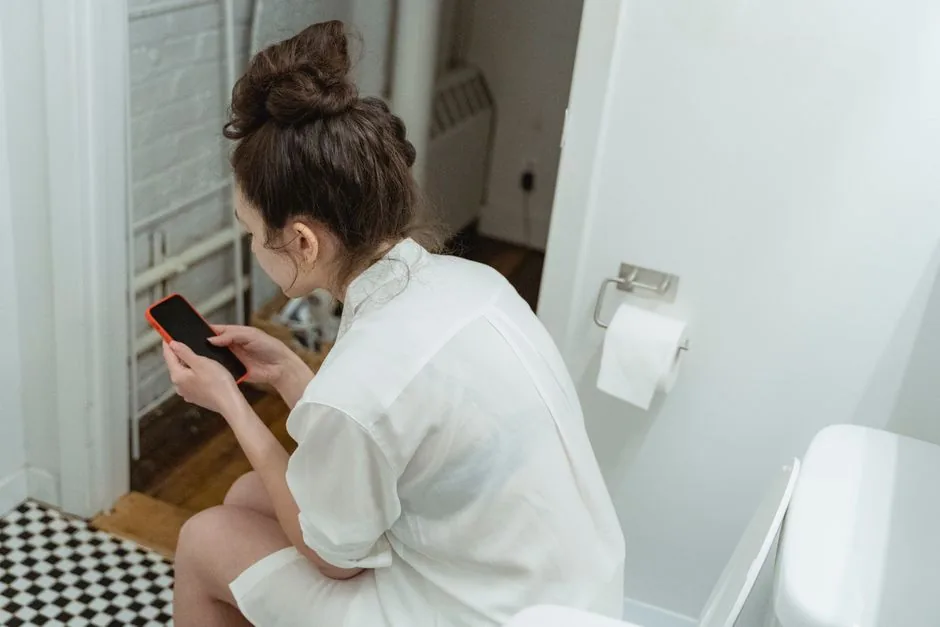
Many people find that squatting helps because it straightens the rectum and reduces the angle. Using a 4-inch stool or a stack of books to elevate your feet while seated on the toilet is a commonly suggested technique.
- Some positioning guides recommend placing your feet on the stool, keeping knees higher than hips, and leaning forward slightly.
- Supporting your elbows on your thighs may help relax the muscles, but it is not a medical instruction.
Gentle Abdominal Massage & Pressure Points
A gentle clockwise abdominal massage is sometimes used to encourage movement. A typical approach is to start above the belly button and move in wide, gentle circles for a few minutes.
Acupressure is another technique some people try. Commonly referenced points include LI4 (between thumb and index finger) and ST25 (near the belly button). If you choose to try these, use only mild pressure, and remember that these are general suggestions—not a prescribed treatment.
Movements & Exercises
QuickFire Yoga Flow
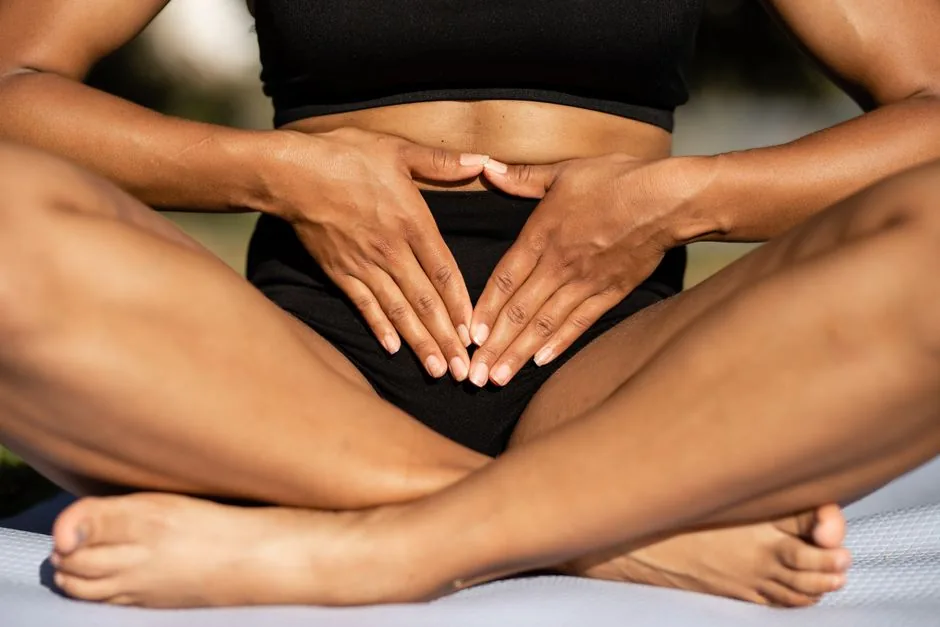
Stretching may help stimulate the gut. One sequence often suggested includes:
- CatCow: This posture involves alternating between arching and rounding the back while on hands and knees, which may gently move the abdominal area.
- WindRelieving Pose: Lying on your back and drawing one knee toward the chest is a common stretch.
- Seated Twist: Sitting and twisting gently toward a bent knee can be a relaxing movement.
These moves are intended to stimulate peristalsis without excessive effort.
PoopPush Physical Tricks
Some people find that pelvic floor relaxation exercises can be helpful. A commonly described drill involves taking a deep breath, gently contracting the muscles used to stop a sneeze, holding briefly, then exhaling and relaxing completely. Repeating this a few times while seated is one way to practice. Avoid forceful bearing down, as that may cause strain.
Light Cardio Burst
Some people find that a short burst of brisk walking or marching in place—for example, about two minutes—can increase blood flow and may encourage movement. It is a low-impact option to try.
When Home Remedies Arent Enough
OvertheCounter Options
If gentle methods are not effective, over-the-counter laxatives are available. Two common categories include osmotic laxatives (such as polyethylene glycol) and stimulant laxatives (such as senna). Product labels typically recommend taking the stated dose with water and suggest that effects may occur within several hours. Only your prescriber can advise on whether an OTC laxative is appropriate for you and what dose to use. Frequent use is not recommended without medical guidance.
PrescriptionGrade Solutions
For persistent symptoms, a healthcare professional may prescribe medications that affect gut motility. These are typically considered when other approaches have not provided relief and require proper medical oversight.
RedFlag Symptoms & When to Call a Doctor
The sensation of needing to go but being unable to can be associated with various conditions. Seek professional help if you experience any of the following:
- Severe abdominal pain or cramping.
- Blood in stool or black, tarry stools.
- Vomiting, fever, or sudden, significant weight loss.
- Symptoms that persist more than three days despite self-care efforts.
Risks, Precautions & LongTerm Balance
Potential SideEffects of Rapid Relief Techniques
While these approaches may be helpful occasionally, overusing certain laxatives can lead to:
- Dehydration from laxative use.
- Electrolyte imbalances, such as potassium loss.
- Possible dependency on stimulant laxatives with frequent use.
Building a Healthy Bowel Routine
A consistent routine can help maintain regular bowel function. General wellness guidelines often suggest:
- Fiber: Many sources recommend 25–30g per day from fruits, vegetables, whole grains, and legumes, but your specific needs may vary.
- Fluids: Adequate hydration—often cited as around 2–3L of water or other liquids—is commonly advised, though individual requirements differ.
- Movement: Regular physical activity, such as a daily 20-minute walk, is generally encouraged.
- Toilet posture: Using a small stool to elevate your feet is a widely suggested habit.
These are general suggestions; always consult your own prescriber for personalized advice.
QuickReference Cheat Sheet
- Warm drink suggestion: Some people try 8oz of hot water with lemon or coffee and sip it slowly, but only your prescriber can advise on what is right for you.
- Toilet posture tip: Many find that placing feet on a 4-inch stool and leaning forward helps, though individual results vary.
- Movement ideas: Cat-Cow, Wind-Relieving Pose, and pelvic floor relaxation are commonly mentioned exercises.
- When to seek care: Consider contacting a doctor if you have severe pain, blood in stool, or symptoms lasting more than three days without relief.
Keep this list on your fridge or phone—quick reference is just a few steps away.
Conclusion
Prompt relief from constipation is something many people seek. Combining warm beverages, adjusted toilet posture, gentle massage, and light movement may help some individuals. However, these are general suggestions and are not a substitute for a consistent healthy routine or professional medical advice. Prioritize a balanced diet, adequate hydration, and regular activity for overall wellness. If you have concerns or experience warning signs, always consult a healthcare professional. They are best equipped to provide guidance tailored to you.