



Not medical advice — written by Ngoc Vietsmall, who is not a healthcare professional.
This article summarises publicly available medical information for general readers. It cannot account for your history, medication or symptoms, and it is not a diagnosis or a treatment plan. Any dose mentioned comes from published labelling or guidelines — only your own prescriber can decide what is right for you.
Always speak to a doctor or pharmacist before starting, stopping or changing any treatment. If symptoms are severe or getting worse, seek urgent care. Full disclaimer · How this is written
Many people wonder if they can influence a racing heart or a persistent headache by training their own body. Biofeedback therapy provides a live readout of hidden signals (like temperature, muscle tension, or heart rate variability) and illustrates how they might be influenced. Below are examples of biofeedback therapy approaches, along with general information on costs, finding a therapist, and safety considerations.
One way to think of biofeedback is as a personal fitness tracker for the nervous system, revealing the interplay between brain and body and offering a path toward calm. Let's explore.
Core Types of Biofeedback
What is biofeedback in psychology?
In psychology, biofeedback is a technique that measures physiological activity—such as skin temperature, muscle tension, or brain waves—and feeds that information back to the person in real time. The goal is to help an individual learn voluntary control over processes that usually happen automatically. According to Mayo Clinic, this mind-body loop can reduce stress, improve sleep, and even alleviate chronic pain.
Thermal (temperature) biofeedback
By attaching a tiny sensor to the fingertip, one can observe skin temperature changes during relaxation. Warmer hands often indicate reduced stress, and this approach is commonly used for migraine relief and anxiety management.
Electrodermal (skin conductance) biofeedback
Also called GSR (galvanic skin response), this measures the tiny electrical changes that happen with sweating. It offers a way to observe stress levels and practice breathing techniques that may lower the response.
EMG (muscle activity) biofeedback
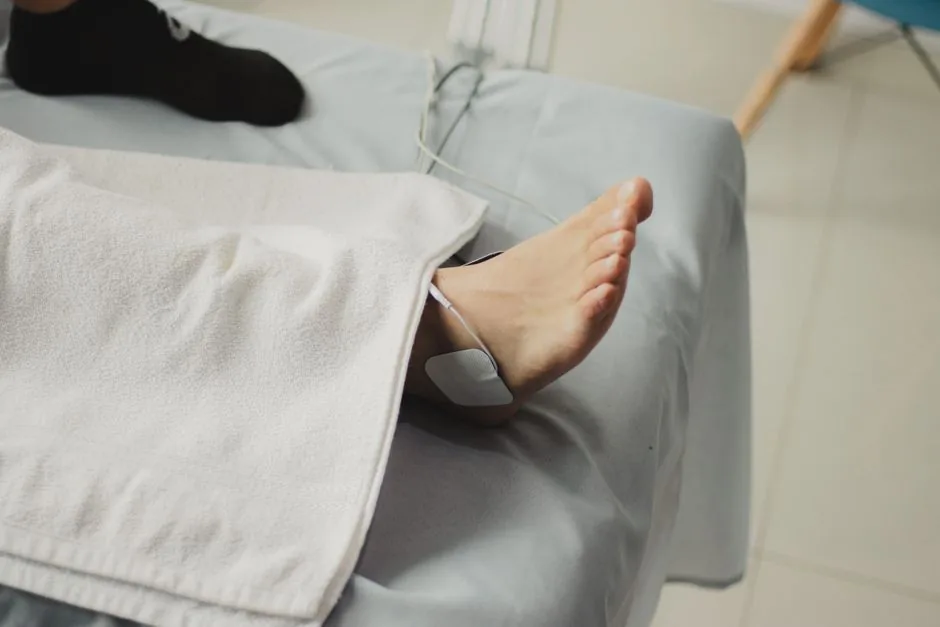
EMG sensors track muscle tension, especially in the neck, shoulders, or pelvic floor. It is a commonly used method for those experiencing chronic tension-type headaches or urinary incontinence.
HeartRate Variability (HRV) biofeedback
HRV looks at the time difference between beats. High variability often indicates a relaxed, adaptable nervous system. HRV devices are frequently mentioned in discussions of anxiety management because they can help calm the fight-or-flight response.
Neurofeedback (EEG) biofeedback
This uses scalp electrodes to display brainwave patterns, helping individuals with ADHD, PTSD, or insomnia learn to shift into more focused or relaxed states.
| Device / Sensor | Typical Use | Cost Range (USD) | Reported Duration Range |
|---|---|---|---|
| Thermal probe | Migraine, stress reduction | $100$300 | 510min |
| GSR wristband | Anxiety, stress tracking | $50$150 | 515min |
| EMG electrodes | Pelvicfloor rehab, tension headaches | $150$500 | 1530min |
| HRV chest strap or app | General anxiety, sleep aid | $70$250 | 1020min |
| EEG headset | ADHD, PTSD, sleep | $300$1,200 | 2040min |
Popular Biofeedback Therapy Examples
Thermal Biofeedback for Migraine Relief
A sensor placed on the fingertip allows observation of temperature changes. When headache symptoms begin, slow hand-warming techniques—such as visualization or using a warm compress—may be practiced. Over a few weeks, some individuals report a reduction in migraine frequency. A Cleveland Clinic study indicated that patients who combined thermal biofeedback with relaxation exercises experienced a notable decrease in migraine days.
EMG Biofeedback for PelvicFloor Training
For individuals experiencing urinary incontinence or pelvic pain, tiny EMG electrodes may be placed around the pelvic muscles. The screen provides feedback on correct contractions, helping to keep the muscles toned without overexertion. Sessions typically last 20–30 minutes, and after about 12–15 visits, many report improved control. The cost per session often ranges from $75–$150, and some insurance plans cover it when prescribed.
HRV Biofeedback for Anxiety
Using a chest-strap monitor or a smartphone HRV app, one can observe heart rate patterns. A common breathing practice involves inhaling for a certain count and exhaling for a longer count, which may help smooth the heart rate line. Consistent practice may help lower baseline anxiety levels and improve sleep quality. HRV devices are often recommended by therapists for anxiety management.
SkinConductance Biofeedback for Stress Management
For a low-tech option, a simple GSR wristband can signal when skin conductance spikes, prompting a breathing break. This can help individuals recognize early stress signals before they escalate.
Neurofeedback for ADHD
Using an EEG headset, individuals receive visual or auditory cues when their brain produces desired focus frequencies. Over 30–40 minute sessions, children and adults often see improvements in attention span and impulse control. While the equipment can be pricey, many clinics offer sliding-scale fees.
Binary Biofeedback for Sleep Disorders
Some systems combine a temperature sensor and a heart rate monitor under the pillow. The system may adjust a warm blanket or low-frequency sound to encourage optimal sleep rhythm. Users typically report deeper, more restorative sleep after a week of nightly use.
Choosing the Right Exercise
What symptom am I targeting?
Consider the primary concern: headache, anxiety, chronic pain, incontinence, ADHD, or sleep trouble. Match the concern to a type from the table above. For example, for headache symptoms, thermal biofeedback may be a starting point; for anxiety, HRV is often considered.
Do I need a professional or can I do it at home?
Seeking a certified clinician is advisable for pelvic-floor work or neurofeedback. However, many exercises (like HRV breathing or simple thermal sessions) can be practiced at home with a smartphone app or a basic handheld sensor. If uncertain, a brief consult—often covered by insurance—can help determine the appropriate path.
What is the cost?
Typical biofeedback therapy cost per clinic visit ranges from $75 to $150. Buying a home device can run $100–$500 depending on the technology. Some health plans cover biofeedback for chronic pain, migraines, or urinary incontinence; it is advisable to check with the insurer about CPT codes 90901–90904.
How long before I see results?
Results vary. Thermal biofeedback for migraines often shows improvement after 4–6 weeks of daily practice. HRV for anxiety may bring noticeable calm within 2–3 weeks. Consistency is important—similar to a workout routine for the nervous system.
Any risks?
Biofeedback is noninvasive, but occasional skin irritation from electrodes or mild dizziness during deep breathing can occur. If faintness or worsening symptoms are experienced, the session should be stopped and a healthcare professional consulted. Any heart conditions should be discussed with a healthcare provider before starting HRV training.
RealWorld Case Stories
Sarahs Migraine Victory
Sarah, a 34-year-old graphic designer, experienced frequent migraine days. She began thermal biofeedback paired with guided imagery. After eight weeks, she reported a reduction in migraine days and felt more in control of her triggers. Cleveland Clinic research supports the effectiveness of consistent thermal training for migraine reduction.
Michaels BloodPressure Boost
Michael, 58, had high blood pressure. He enrolled in weekly HRV biofeedback sessions and practiced the breathing protocol at home. Within three months, he experienced a noticeable reduction in systolic pressure—comparable to what some medication adjustments might achieve, according to a study on HRV.
Little Toms Bedwetting Breakthrough
Tom, a nine-year-old, struggled with nocturnal enuresis. His pediatrician prescribed EMG pelvic-floor biofeedback. After 12 targeted sessions, Tom stayed dry through the night. This outcome mirrors findings from a peer-reviewed pediatric urology journal that links biofeedback to significant improvement in children.
Starter Plan to Begin
A general roadmap for getting started might include:
- Identify a primary goal. For example, reducing migraine frequency, lowering anxiety, or strengthening pelvic floor.
- Select a matching biofeedback type. Use the comparison table to consider which sensor or app aligns with that goal.
- Choose a setting. For complex issues (like incontinence), a certified clinician may be advisable. For simpler aims (like stress reduction), a free HRV app can be a starting point.
- Consider a regular practice. Many find that a consistent daily session—perhaps 10–15 minutes—helps. A specific time of day may be chosen.
- Track progress. Keeping a journal of symptoms, sensor readings, and overall well-being can help identify trends over 4–6 weeks.
- Adjust or seek help. If improvement is not seen, a professional assessment or a different biofeedback modality might be considered.
Remember, biofeedback is a skill—not a guaranteed cure. With practice, the body's feedback loop can become more responsive, which may help maintain calm during stressful times.
Balancing Benefits and Risks
Biofeedback offers a drug-free avenue for self-regulation, but it is not a guaranteed solution. Pairing it with healthy lifestyle habits—regular sleep, balanced nutrition, and movement—may maximize benefits. It is also realistic to note that some conditions respond better than others, and occasional setbacks are normal.
Take the Next Step
For those ready to explore, a free HRV breathing app can be a simple starting point to observe heart rate patterns. Alternatively, scheduling a phone call with a local clinic can provide more information about pelvic-floor EMG or other options. Whichever path is chosen, the ability to gain measurable insight into the body's stress responses can be empowering.
Stories about biofeedback experiences or questions about which device might suit individual needs are welcome; sharing experiences can enrich the journey.








